
C.V. Visits — POSTCARDS FROM GREECE
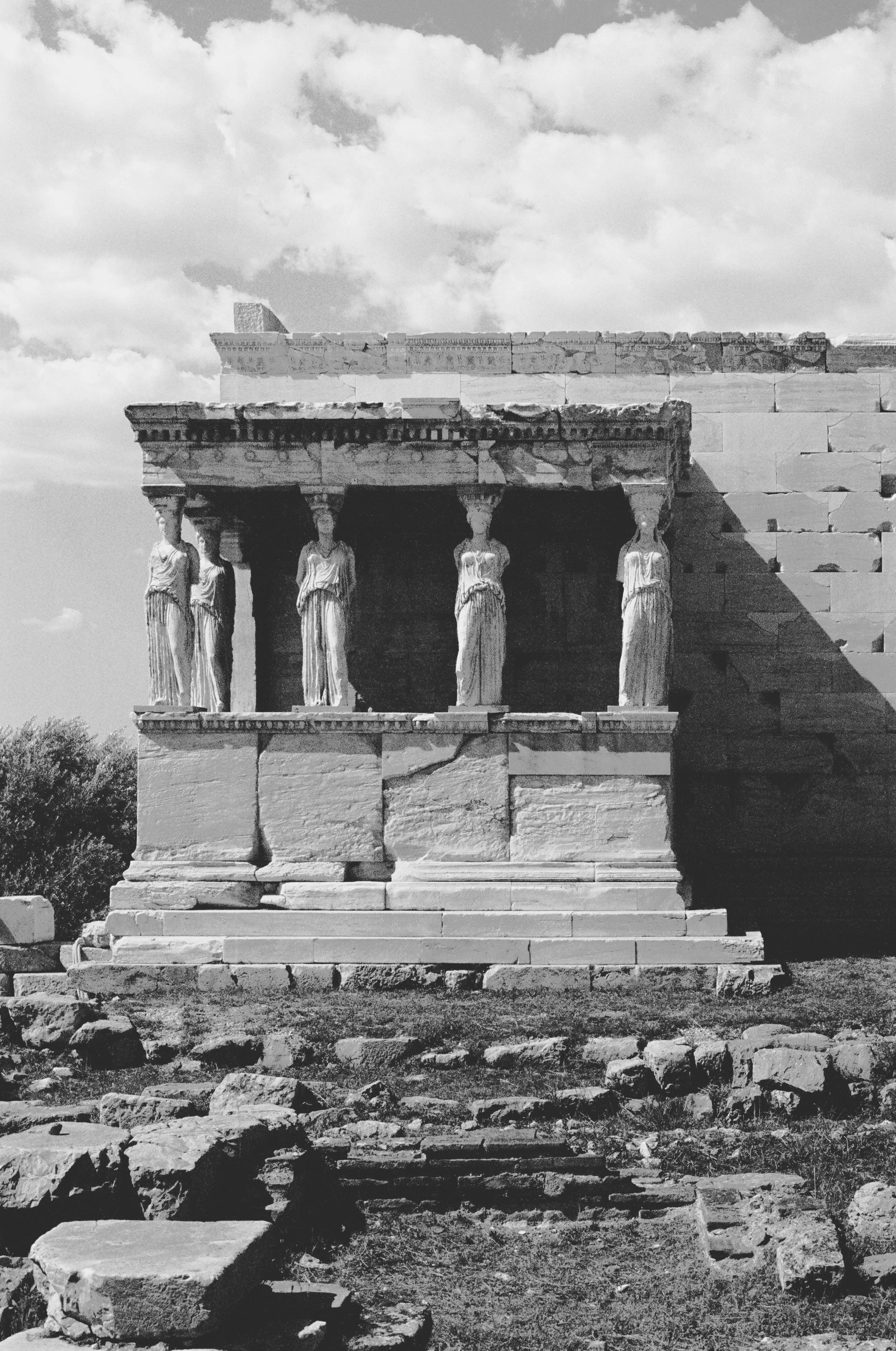
Fig. 1 — The Porch of the Caryatids, acropolis
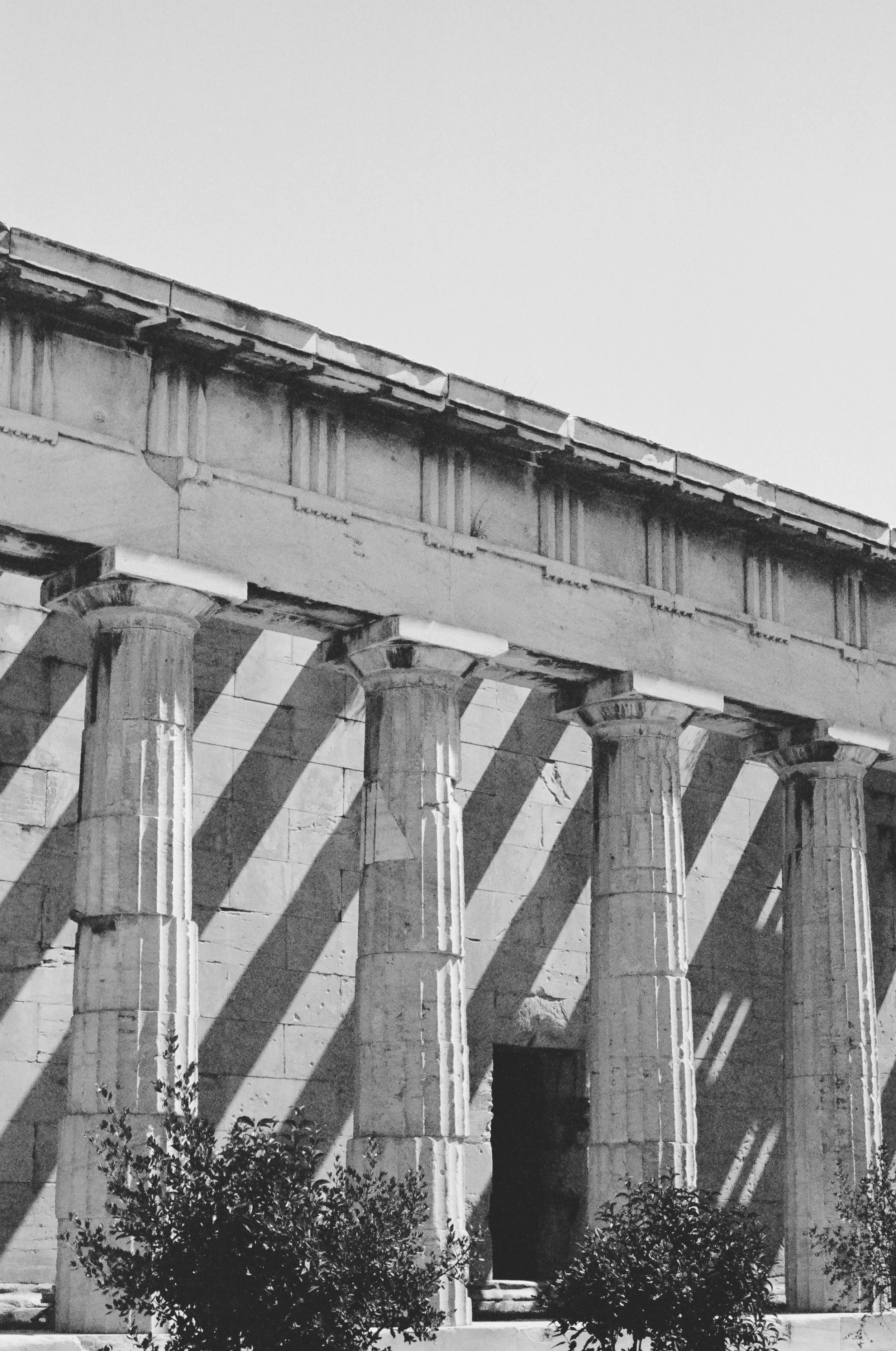
Fig. 2 — Temple of Hephaestus, Ancient Agora
Greece is an escape of the most welcome kind. Outside of Athens, days on the islands are effortless and unhurried, without the pressure of having to do much at all other than swim, eat, and perhaps take a stroll through a quaint village. The only real decisions to be made are which beach to visit for a leisurely dip or which taverna to feast at. The food couldn’t be better: coffee topped with the thickest layer of foamy milk, creamy and tart Greek yogurt delicately drizzled or generously doused with local honey and preserves, the freshest fish simply prepared, and beautifully unfussy Greek salads dressed with olive oil and paired with the most delicious cheese (Greek dairy alone is worth the trip). The backdrop for this leisurely way of being is the sparkling Aegean. With its endless waters and vast horizons, it’s easy to imagine Odysseus still lost at sea. In the morning, its impossibly clear, jewel-toned waters beckon. In the evening, it becomes a painterly sight as the sun melts and creates the most dramatic sunsets. When the time comes to depart, it is incredibly hard to leave and even harder to adjust back to the modern world.
With more than 100 inhabited islands, Greece isn’t a country to visit just once. Each island has its own distinct personality and offers its own interpretation of the quintessential Greek experience. People often discover the one that resonates with them most and return to it year after year. For this trip, we chose Athens, Hydra, Sifnos, and Milos. I can’t say with certainty that I found “my” island, as there are still 96 or so more to explore, after all, but Sifnos and Hydra were pretty ideal. I’m grateful to everyone who shared their recommendations with me. I am highlighting here my favorite places and tidbits.
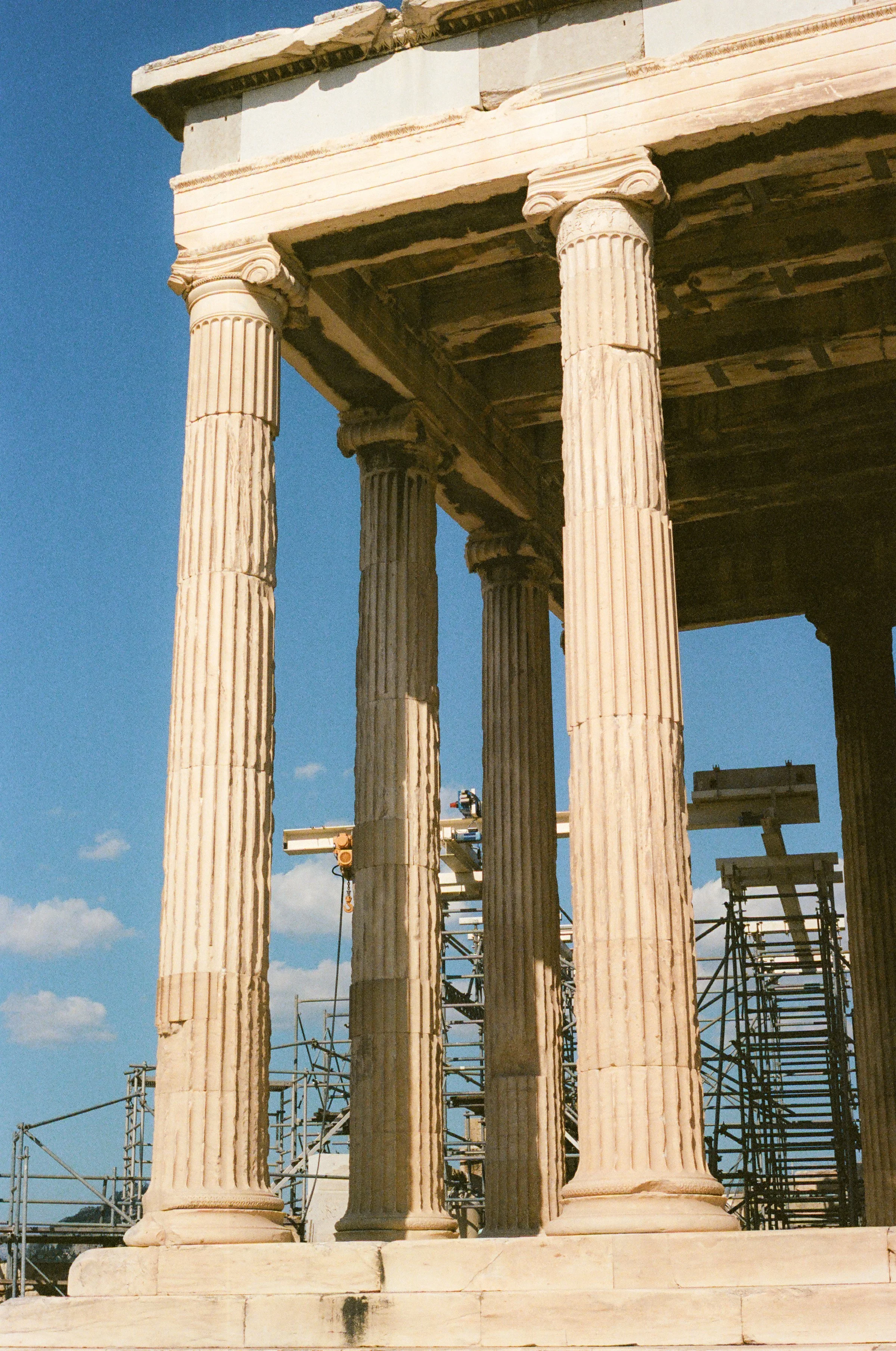
Fig. 3 — The Parthenon
ATHENS
Athens is a city of fascinating contrasts, where graffiti-covered buildings sit alongside some of the most significant monuments of the ancient world. There is nothing quite like arriving and setting eyes on the Acropolis, rising majestically from its rocky hill above the modern metropolis below, as if it truly is home to the gods. Much like Egypt, there is something surreal about physically standing in a place that has birthed some of the greatest contributions to humanity.
Acropolis (No BRAINER DUH)
FIG. 1,3,4 — After years of art history classes (Doric, Ionic, Corinthian!), I had long dreamed of seeing the Porch of the Caryatids and the Parthenon in person. To finally stand before them was a remarkable experience. They were every bit as breathtaking as I had imagined.
Alekos Fassianos Museum
FIG. 6 — In the late 1980s, the former home of the celebrated Greek artist Alekos Fassianos was reimagined as a museum. I found both the space and work to be utterly charming and delightful.
Stani Yogurt
Athens was once home to thousands of dairy bars, where people would stop to buy fresh milk and yogurt as part of their daily routine. Today, only one remains: Stani Yogurt, which has been operating since 1931. Walking inside feels like a throwback in the best possible way. The yogurt is made with sheep’s milk sourced from small farms near Athens, and it is the best yogurt I have ever eaten. The must-have dish is the traditional Greek preparation, served on a plate, bathed in honey, and topped with crushed walnuts. I dream about this yogurt. This would be my number one stop in Athens. On the morning we left, our hotel happened to be just a block away, and I insisted we make one final visit to pick up yogurt for the airport. I also grabbed a slice of galaktoboureko (custard and semolina baked in phyllo) fresh from the oven, which I happily devoured somewhere over the Atlantic.
DiPorto
Tucked into the basement of a graffiti-covered 150-year-old building, this no-frills taverna has been serving traditional Greek food for generations. Because of its location near the Central Market, it became a gathering place for fishmongers, butchers, greengrocers, and others who came for humble, home-style meals. You will find it listed on nearly every guide to Athens, but because locals and tourists eat side by side here, it still feels authentic. There is no menu, but a hunk of bread, a rustic chickpea stew, and a glass of ouzo are guaranteed.
Taverna Oikonomou
This taverna is considered an institution, having served hearty comfort food such as saganaki (fried feta), fava beans, and meatballs since 1930. The interiors are worth a visit alone, with checkered floors and butter-yellow walls showcasing a wonderful collection of art, all gifts from Greek artists, past and present, who have been loyal patrons. Alekos Fassianos was a regular, and his work hangs among the pieces that make this space feel as much like a homey gallery as a restaurant.
Foyer Espresso
Throughout Greece, you will find the signature freddo, a coffee drink defined by its layer of cold, thick, velvety foamed milk. I quickly became addicted and had to have one everywhere I went. The best one was undoubtedly at Foyer Espresso, a very hip spot that takes its coffee seriously.
Anana Coffee
There is no shortage of coffee places in Athens, but I particularly enjoyed this one because it is located in a retro 1970s building that feels very cinematic, and the coffee was also very good.
Wine is Fine
Athens has a very cool wine scene. It was here that I had a glass of incredible local orange wine with the earthy, slightly funky notes of fermentation that make me so drawn to natural wines. It is incredibly pleasant to sit outdoors at this quaint spot, get tipsy, munch on a cheese plate, and people-watch.
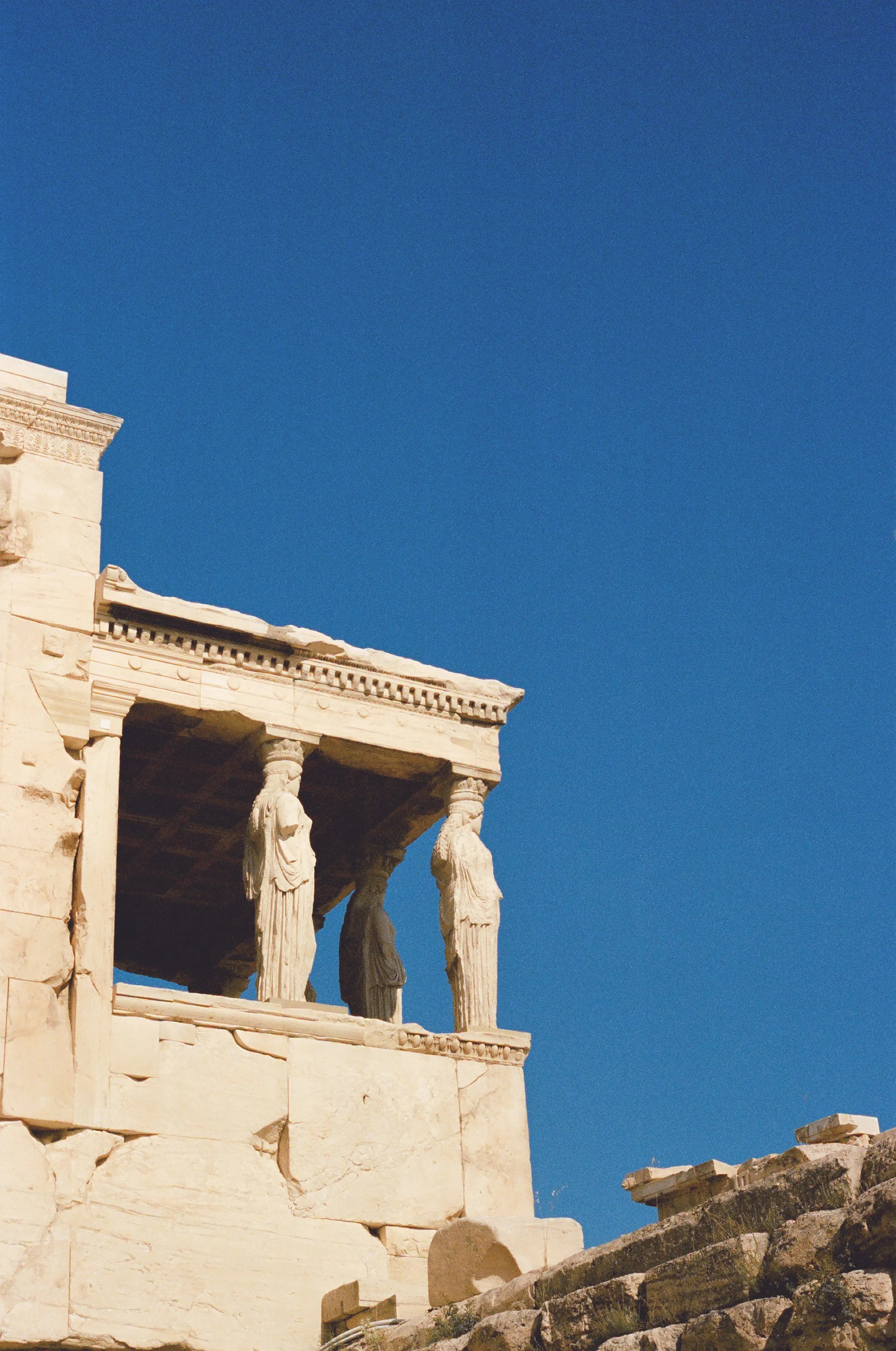
Fig. 4 — The Porch of the Caryatids, acropolis
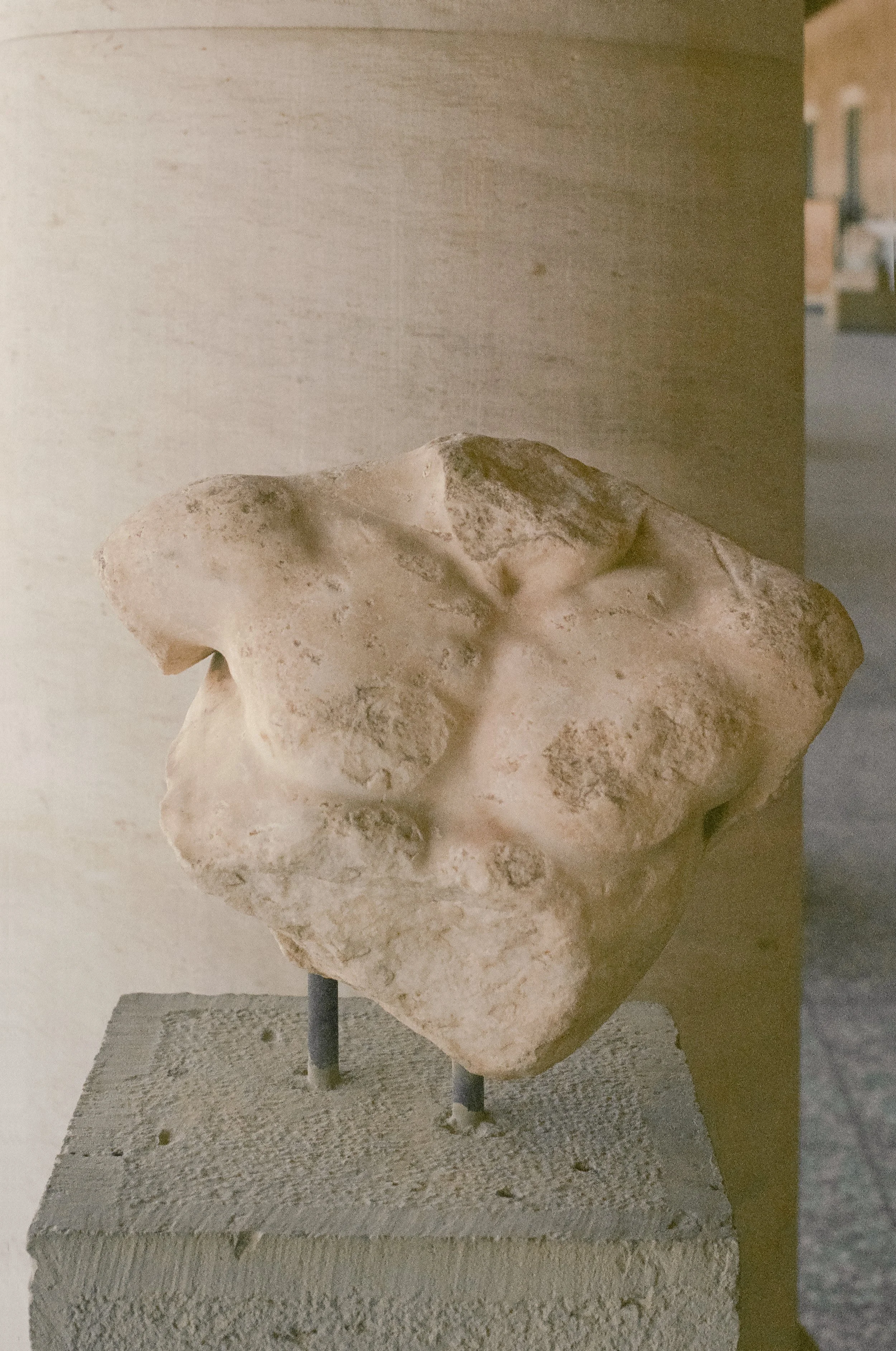
Fig. 5 — male torso, Ancient Agora
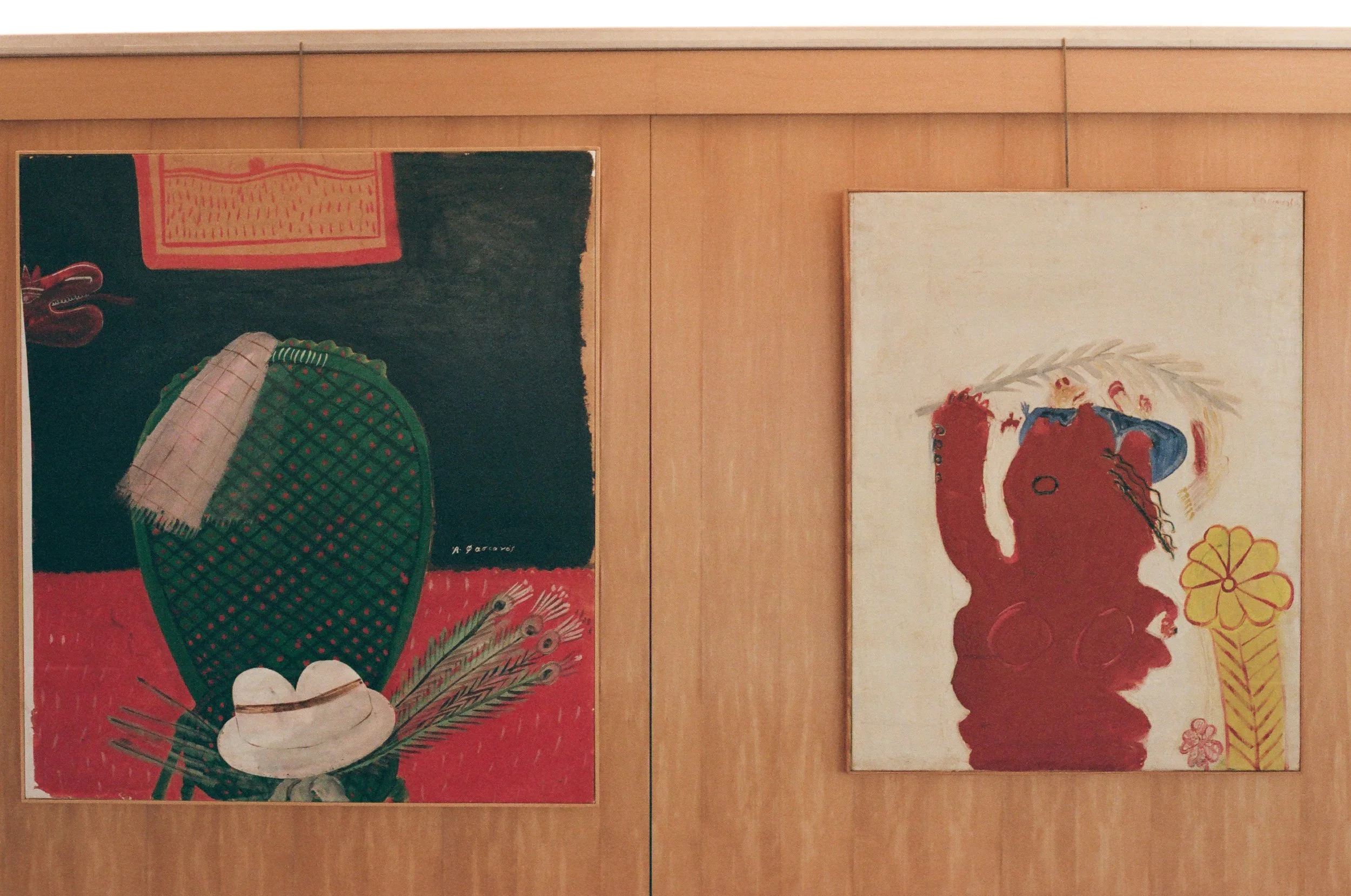
Fig. 6 — alekos fassianos Museum
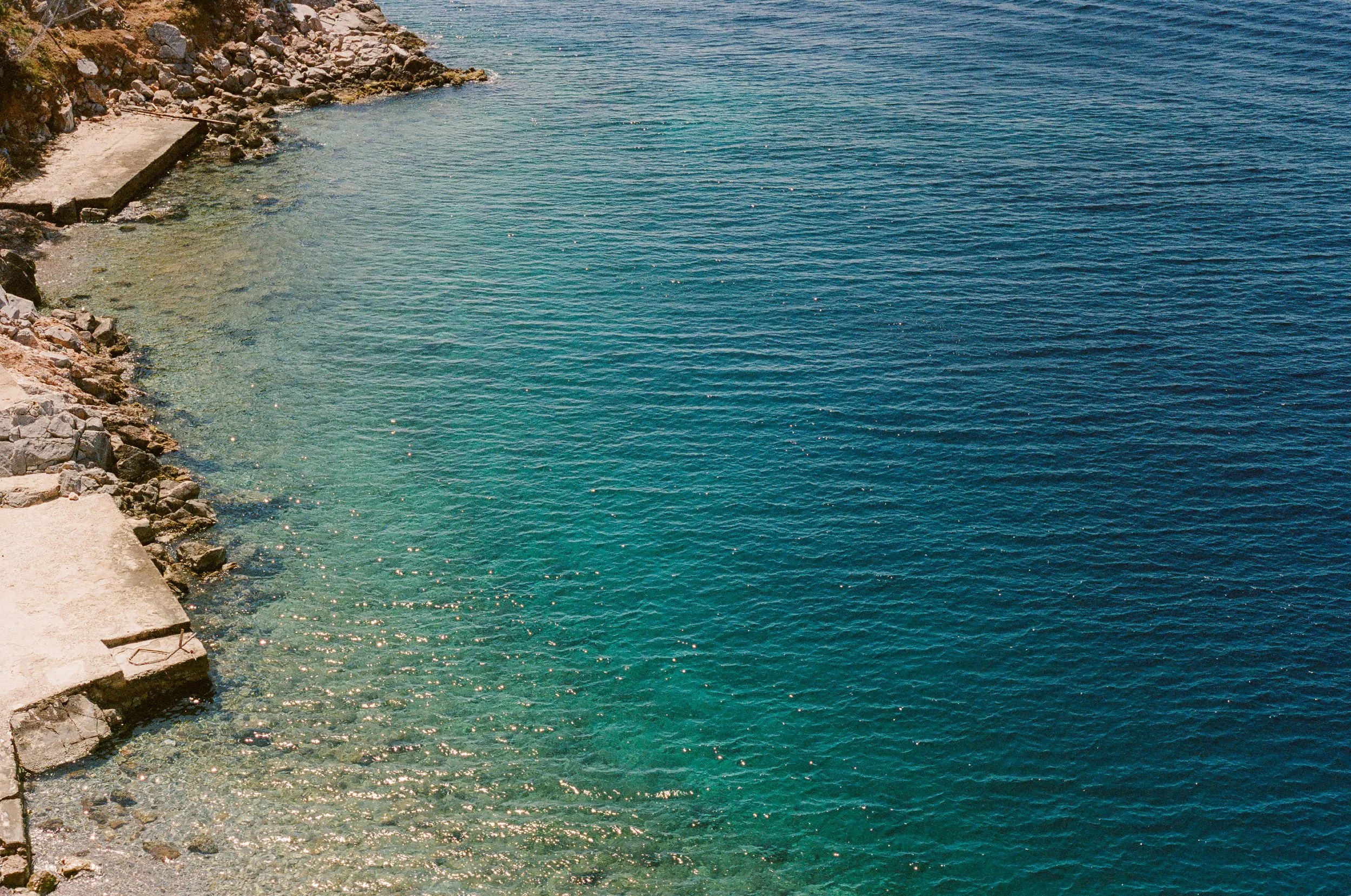
Fig. 7 — jewel toned waters in hydra
Hydra
I was really excited to visit Hydra because I know a few people who have been completely bewitched by it. In the 1950s and 1960s, it gained a reputation as a bohemian refuge for artists, writers, and free spirits. Most famously, Leonard Cohen found inspiration here and eventually made a home on the island. With no cars or sprawling resorts, Hydra feels intimate and preserved, like a dreamy Greek throwback to simpler times. There are no sandy beaches, so swimming means descending stone steps and jumping from concrete platforms directly into the deep blue waters of the Aegean. Post-dip, a perfect afternoon is lingering at one of the many cafés that line the port (enjoying a freddo espresso of course), watching boats drift in and out as donkeys carry supplies through the narrow streets (the only part of Hydra I didn’t enjoy seeing or hearing). Just an hour ferry ride from Athens, the island continues to attract a creative crowd. It is now home to Jeff Koons’ widely photographed sun sculpture, a playful contrast to Hydra’s otherwise timeless landscape.
Deste Foundation
FIG. 8 — The DESTE Foundation transformed a former slaughterhouse into a very rustic gallery space (so rustic that I was genuinely shocked to see trash residing inside) crowned by a monumental sun sculpture by Jeff Koons. Unfortunately, we arrived before the summer opening in June, so the sculpture’s rays were tethered closed and we missed seeing it spinning in its full glory. Right nearby, I befriended a very cute orange kitty. I promptly fed it cold cuts I had smuggled from the breakfast buffet, along with little bottle-capfuls of water.
Bratsera Hotel
FIG. 11 — A former sponge factory, Bratsera now operates as a charming and comfortable hotel. I particularly liked the pink couches in the lobby. Our rooftop patio was easily one of the highlights, with picturesque views of whitewashed homes cascading down the hillsides and perfect tanning conditions.
Rafalias Pharmacy
FIG. 12 — Founded in 1890, this pharmacy was my number one spot to visit on the island. I had saved photos of the packaging, which reminds me of the Greek version of Santa Maria Novella. I stocked up on soap and rosewater. This is my favorite kind of souvenir…beautiful, practical, local, and not easily obtained except by traveling directly to the origin.
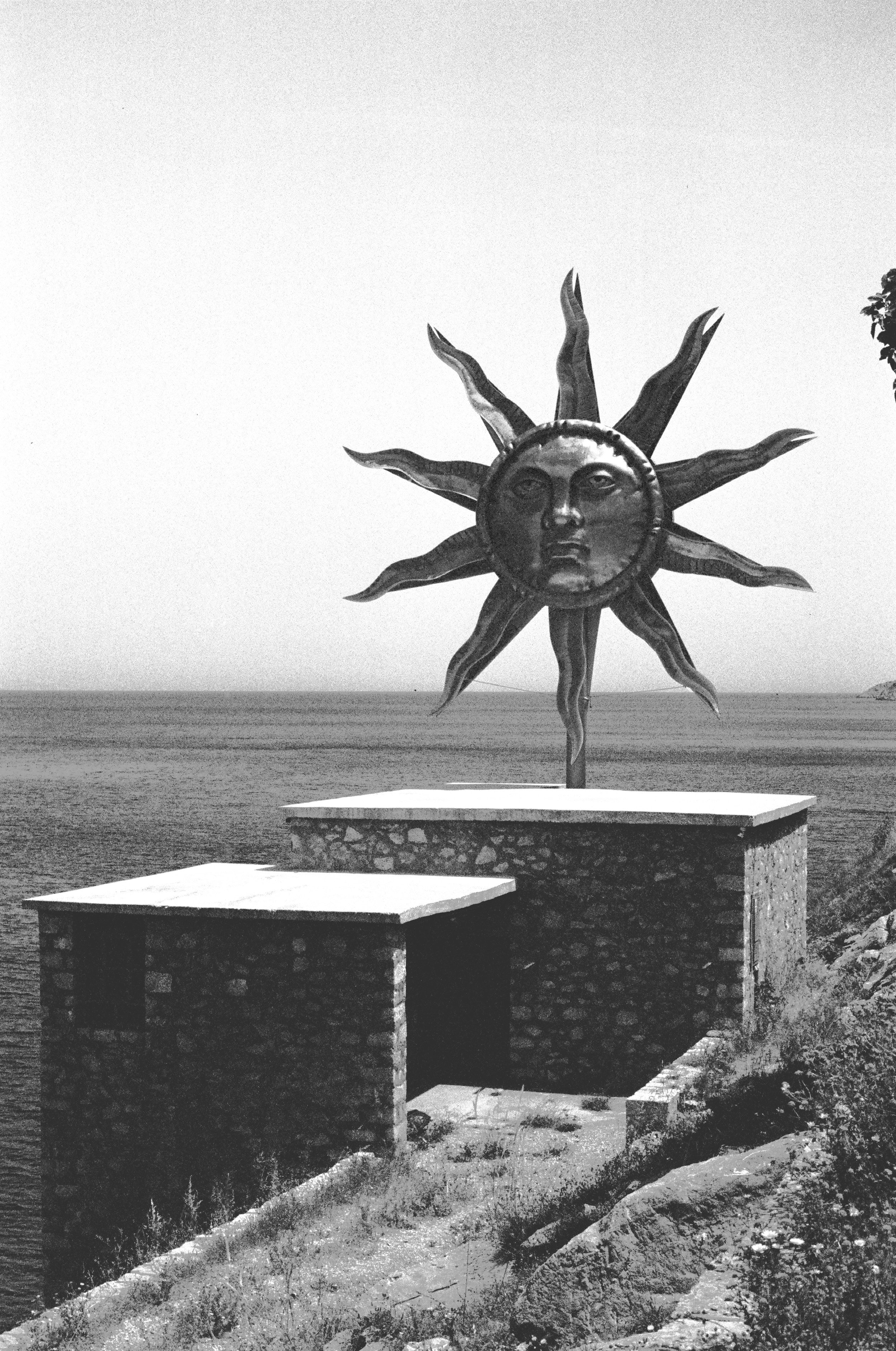
fig. 8 — Deste Foundation with the iconic sun sculpture by jeff koons
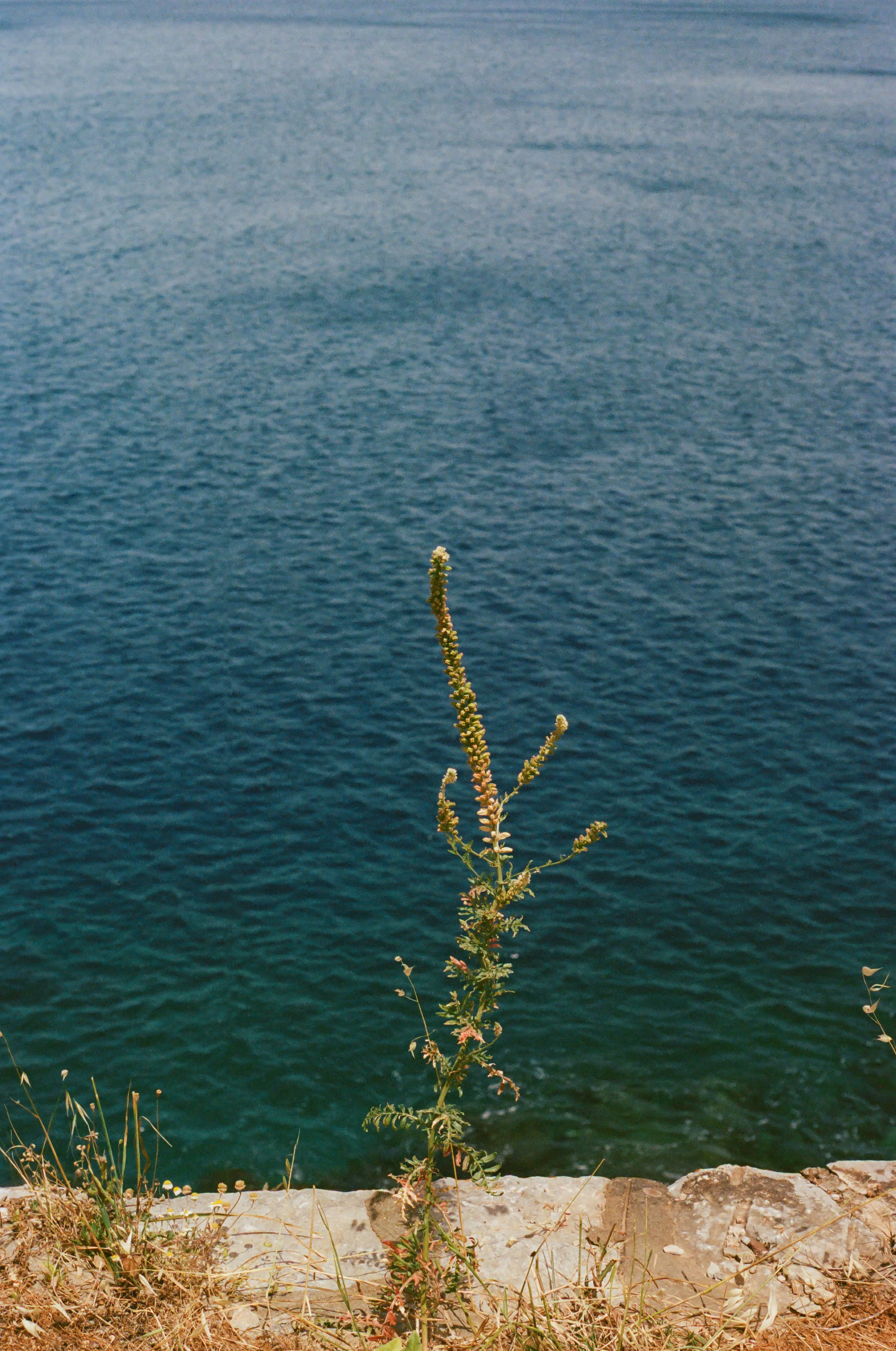
Fig. 9 — the path to deste
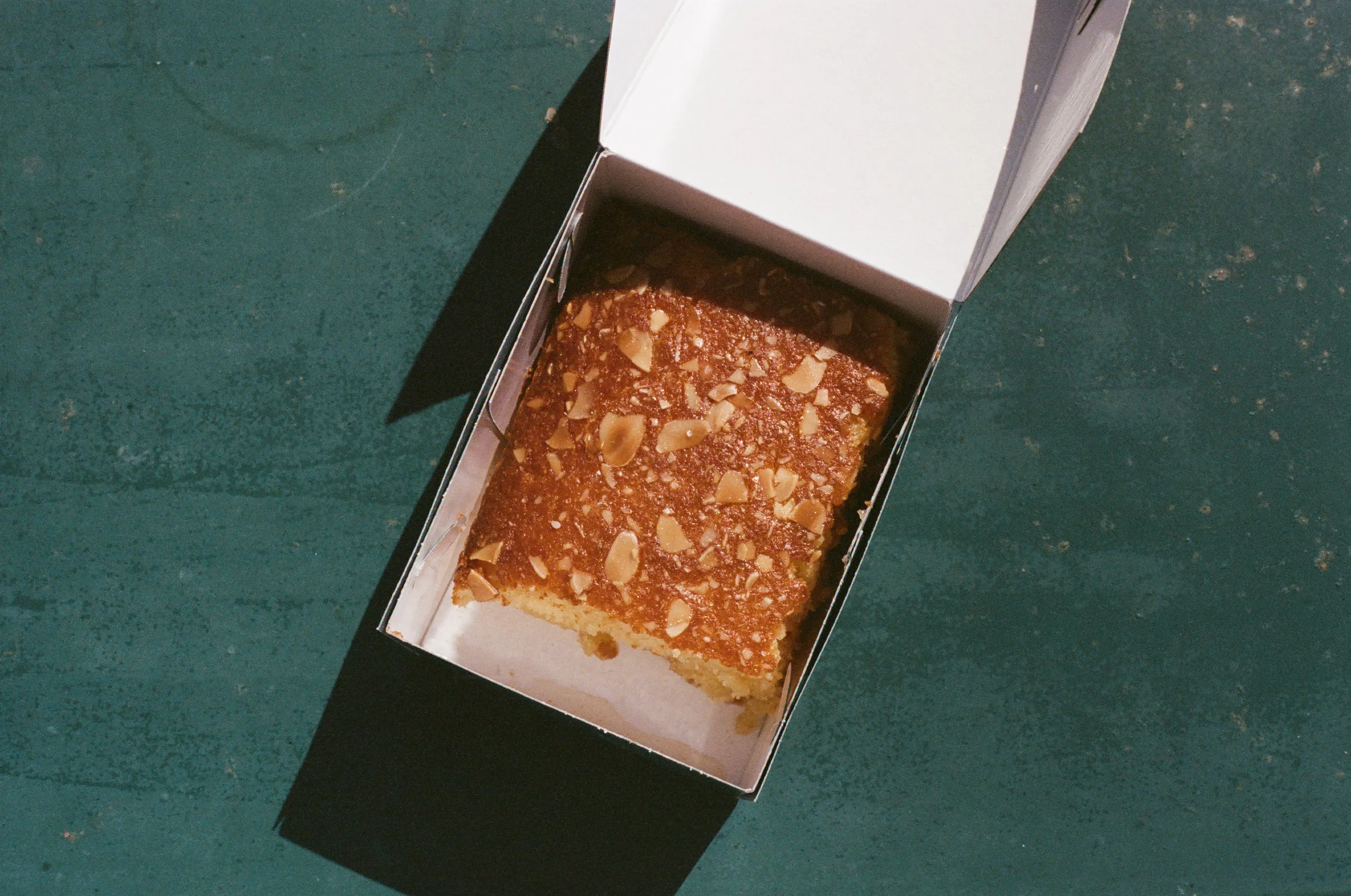
FIG. 10 — Greeks are very fond of desserts soaked in syrup
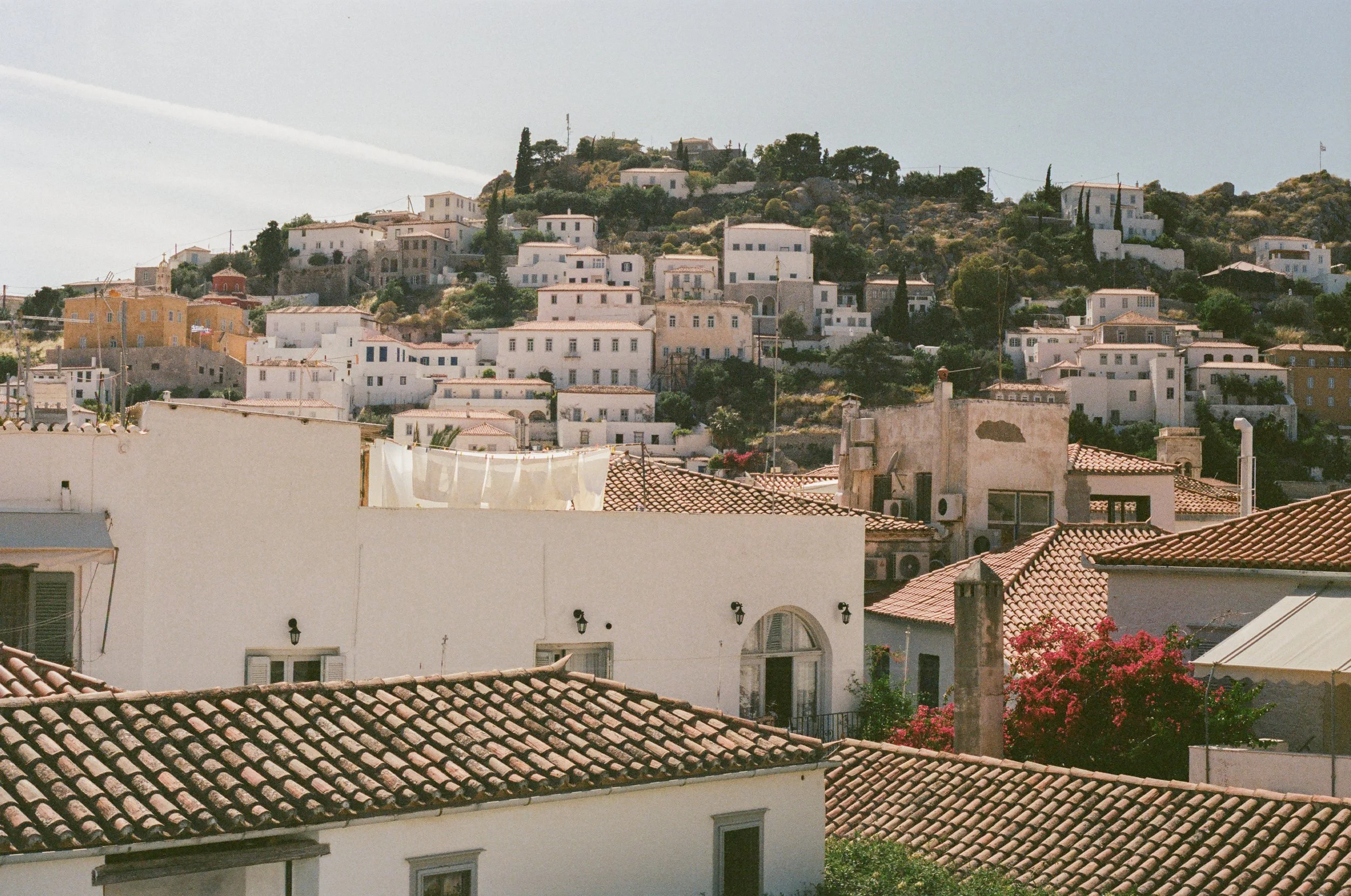
Fig. 11 — our view from the bratsera hotel
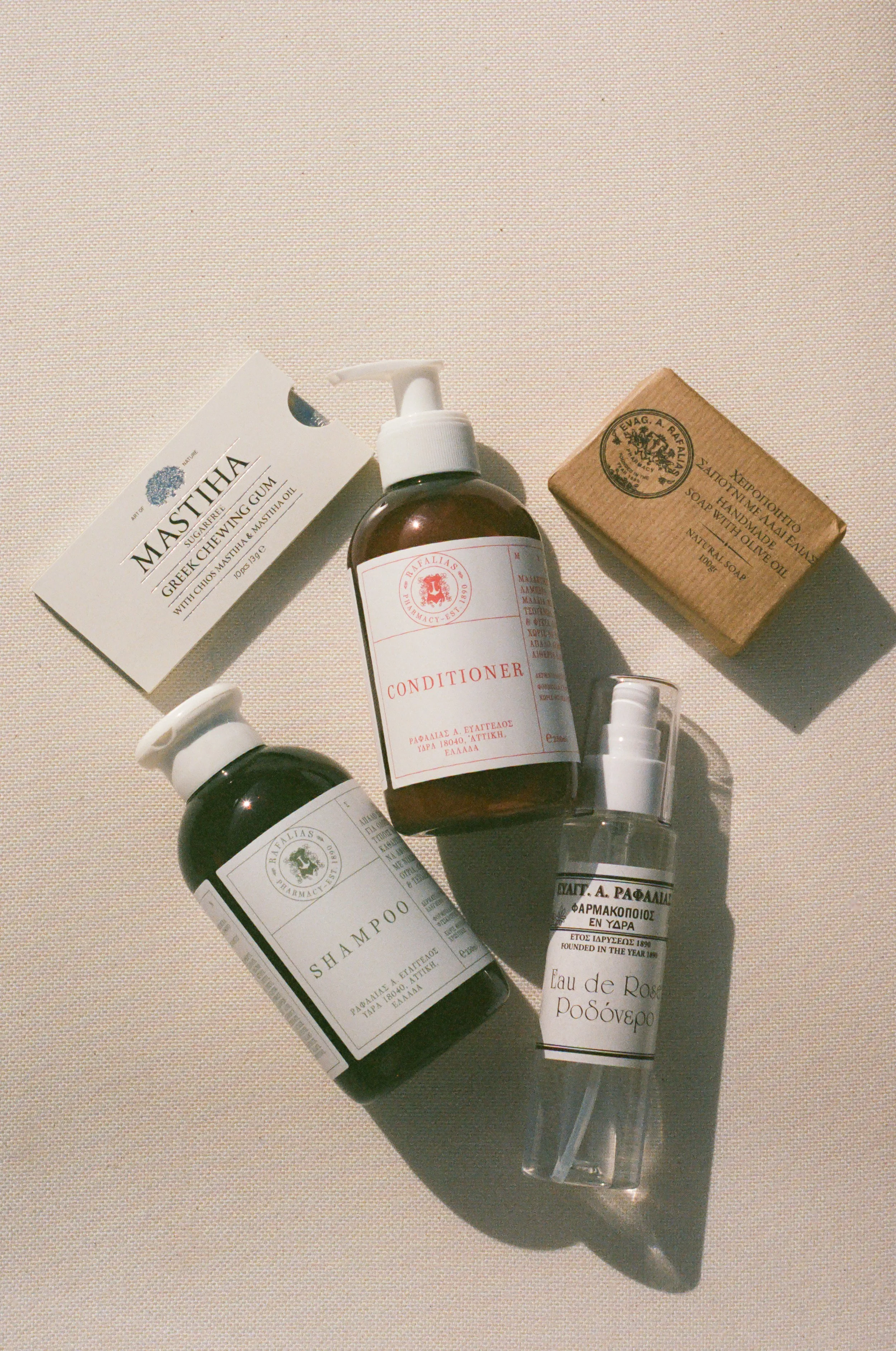
Fig. 12 — souvenirs from rafalias pharmacy
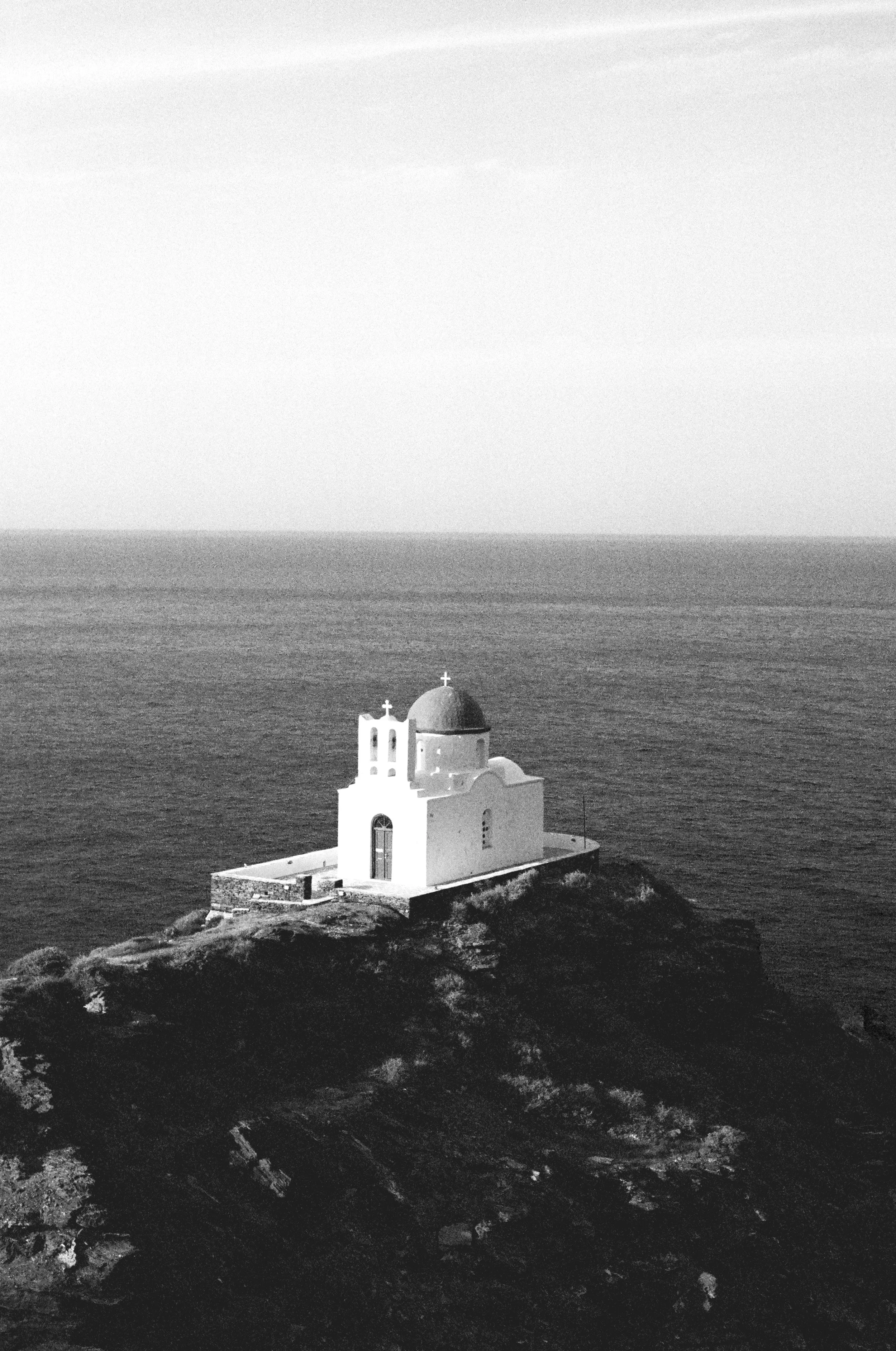
FIG. 13 — Church of the seven martyrs
Sifnos
As soon as we got off the ferry and into our rental car, I turned the dial to the local radio station, Radioactive. With the windows down and “Cuando Calienta el Sol” blaring over the speakers, I was living my own fantasy of being Liv Ullmann in the 1973 film 40 Carats. This was probably the closest experience I was going to have to traveling before modern technology, and I loved it (the C.V. Summer playlist captures this exact vibe). If only we had been forced to navigate with a paper map. Sifnos felt like everything I wanted a Greek island to be: unpretentious, authentic, not overly touristy, unchanged yet still filled with cool spots. We noticed a lot of construction happening, which made me sad to think that it might not remain this way for much longer. The island has gained a reputation as Greece’s culinary destination, thanks in part to restaurants like Omega 3 (which was quite good) and Cantina (the food was hit or miss for me, though the setting and atmosphere are something I will remember). I met a French girl, Aude, who was very close to convincing me to move there for the summer and work in a jewelry shop. It was incredibly tempting. Sifnos is also well known for pottery, and I bought a plate and bowl from Apostolidis Ceramics. Every time I use them now, I smile thinking of this special place.
Loggia Wine Bar
I loved this wine bar so much I bought both a t-shirt and a hat, which you will proudly see me sporting as I walk the Hollywood Reservoir. I really dig a souvenir with an obscure graphic that instantly transports you back to a place that made you happy. After eating at Cantina, I convinced my mom that it was the perfect time for a post-dinner glass of wine at a cliffside bar, despite it being an evening with the gustiest winds imaginable. The views were incredible, the local wine unique, our dessert was one of the best things we ate on the entire trip. As the wind started breaking glasses and people came dangerously close to becoming Dorothy in Kansas, they were forced to abruptly close. It was a good time. One can only imagine how lovely it would be on a calm, sunny evening. I would love to spend an entire summer in Sifnos and become a regular at this spot.
Pelicanos
The esteemed local chef of Sifnos is Giorgos Samolis, the owner of Cantina and Pelicanos. Raw fish is my jam, and the crudos we had here were incredibly fresh, vibrant, and full of flavor. We lucked out with perfect weather, so sitting on the beach with the Aegean shimmering in the background while eating such wonderful food was easily one of the highlights of the trip. Pelicanos is also located next to a great beach, making it the perfect place to combine lunch with an afternoon of swimming. Unfortunately, the adorable bakery next door, Betty’s Bakery, had not yet opened for the season, but it looked great and is firmly on my list for next time.
Gerontopoulos
One of my all-time favorite flavors is almond, so I was delighted to discover that Sifnos is famous for almond desserts. Hydra also has a bakery known for its almond confections, but I found them a little too perfumey and overly sweet for my taste. One of Sifnos's specialties is amygdalota (FIG. 15), a ground-almond cookie traditionally shaped to resemble a Roman nose. Theodorou has been making them since 1933. Despite trying three times, we found it closed on every occasion, much to my FOMO-induced disappointment. Gerontopoulos is another confectionery in town that has been operating since 1950 and also makes excellent amygdalota. I especially enjoyed the lemon and cherry varieties. They also sell delicious vanilla ice cream bars enrobed in chocolate, reminiscent of a Klondike, along with a wonderful selection of local honey, preserves, and herbs.
OKEANIDA
FIG. 17 — Located at the very lovely Vathi beach is this family owned taverna that serves wonderful traditional homemade food. Every taverna we ate at was good, but this one just was particualarly delicious.
Lakis
Tucked into the tiny square of Apollonia, this old-school café feels like a genuine relic of the past. Seduced by its hand-painted sign and repeated drive-bys of older men sitting shoulder to shoulder nursing beers, I knew I needed a freddo espresso to complete the nostalgic fantasy I was happily indulging in.
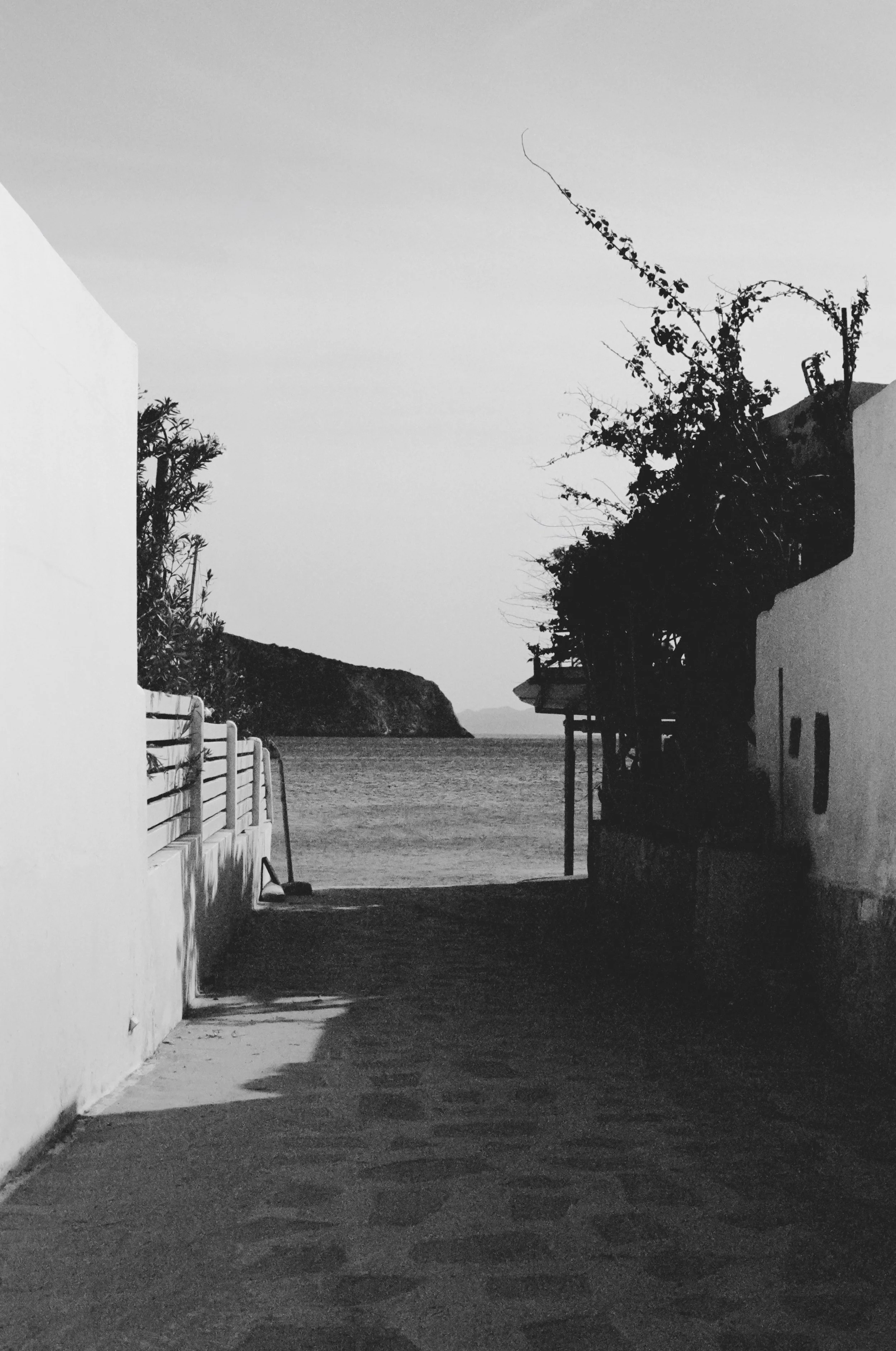
Fig. 14 — Vathi Beach
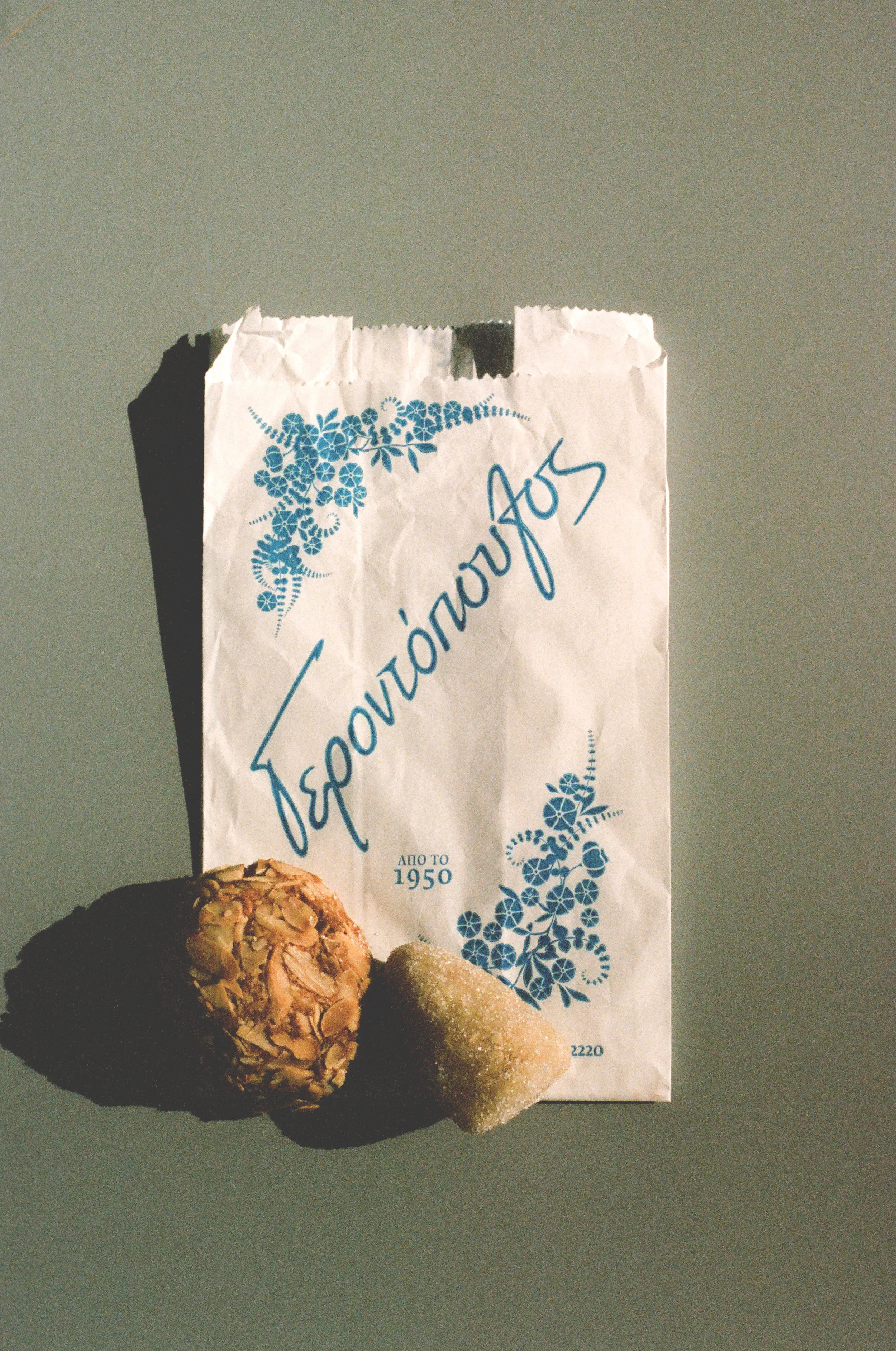
Fig. 15 — Amygdalota
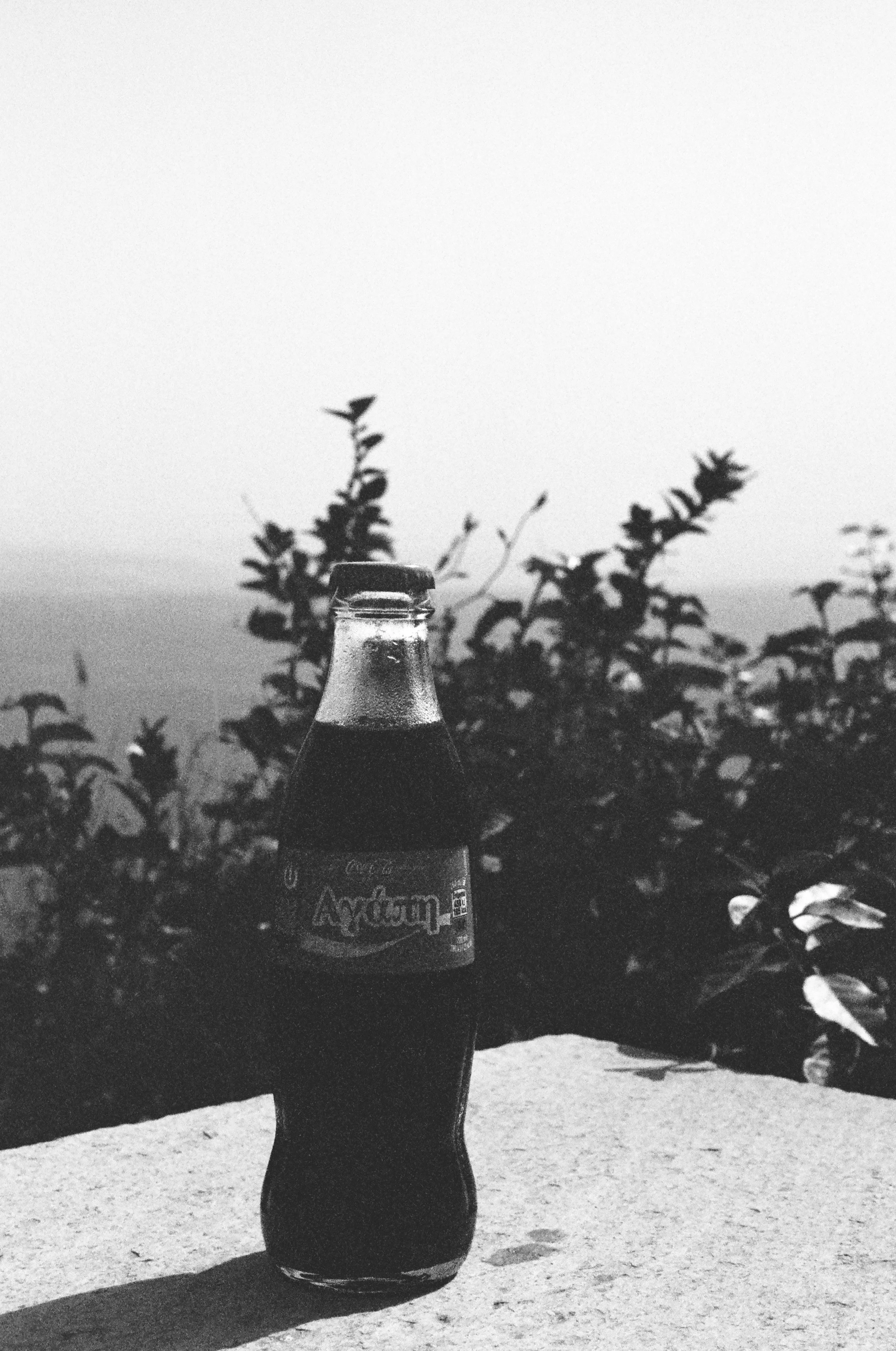
Fig. 16 — Coca cola
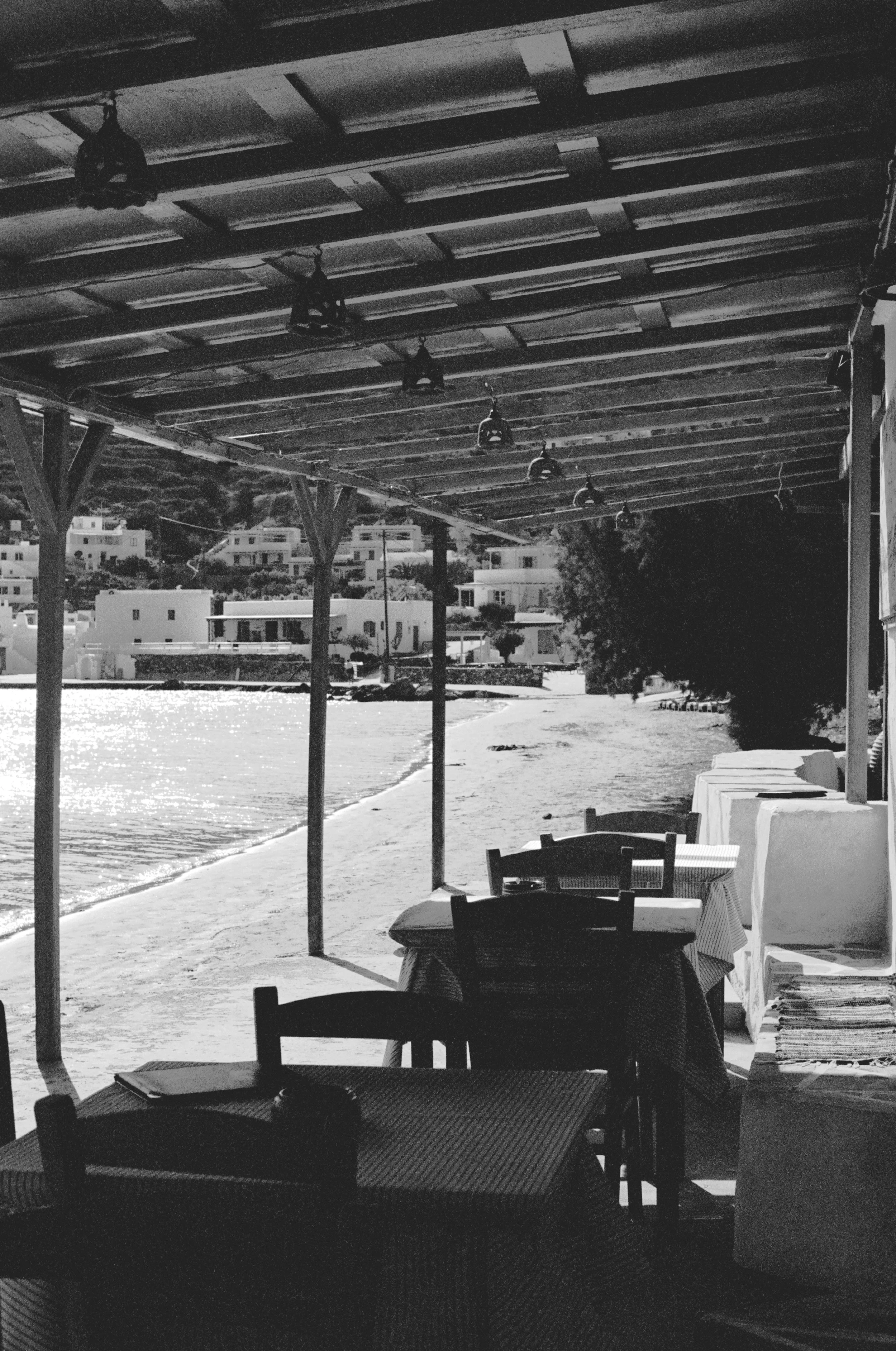
Fig. 17 — OKEANIDA
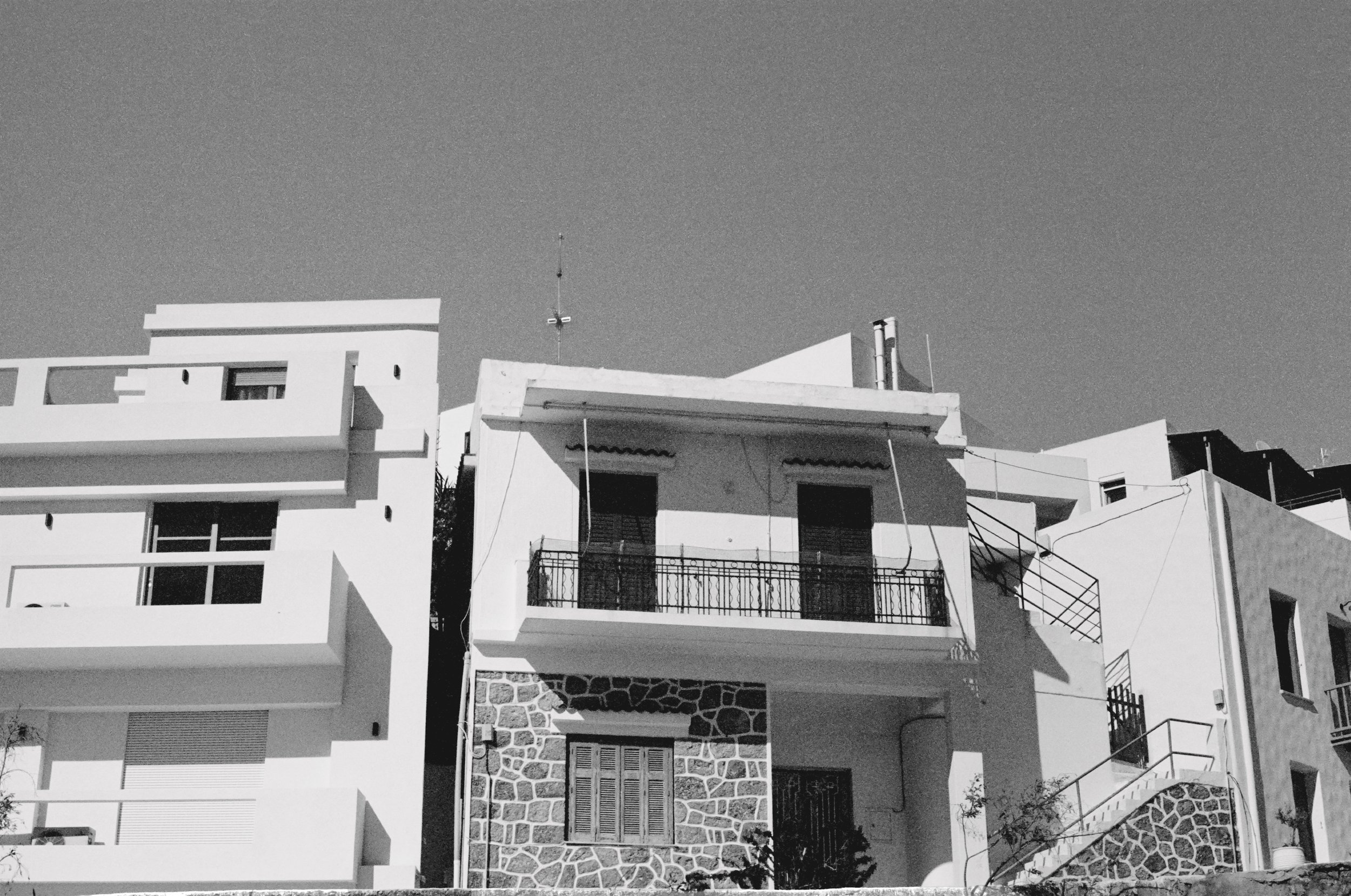
Fig. 18 — ADAMANTAS PORT
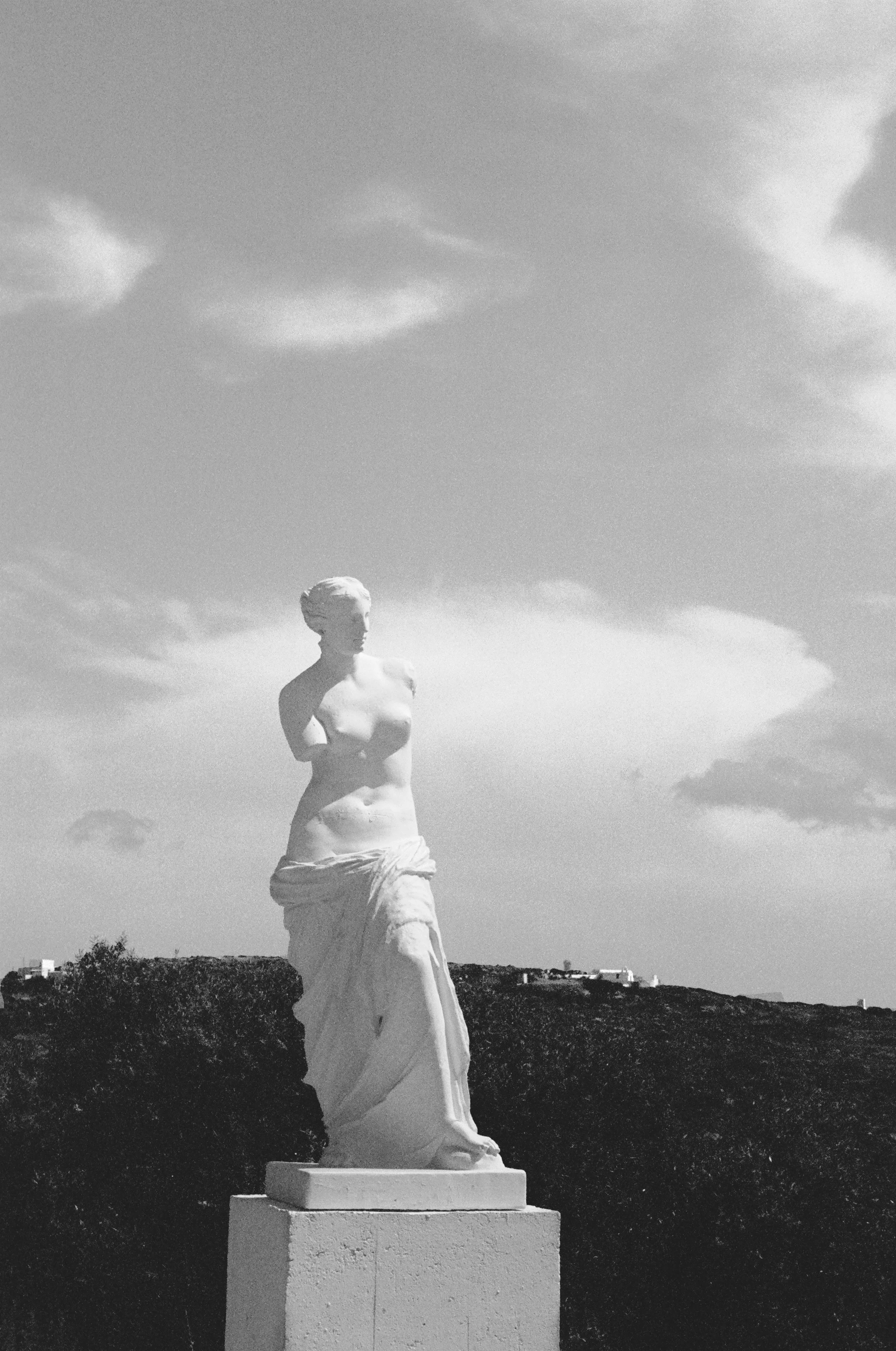
Fig. 19 — The site where venus de milo was discovered
Milos
Milos is famous for its otherworldly geology and for being the site where the iconic Venus de Milo statue was discovered in 1820 before being taken to the Louvre (FIG.19). Sarakiniko, or "moon beach" as it is known (FIG. 21 & 24), is one of the island's biggest draws. Its white volcanic formations and surreal terrain have made it one of the most photographed spots in Greece (it can even be spotted in Celine's 2026 autumn campaign). Some of the island's most special places lie beyond its shores: transparent, silky turquoise waters, hidden coves, and crazy rock formations that can only be accessed by boat. The highlight for me was staying near the old obsidian quarry. I collected a bunch of pieces and hand-washed them in the Aegean (hint hint: they will be included in upcoming C.V. orders).
Skinopi Lodge
FIG. 26 & 27 — Driving down some very steep and rather treacherous narrow roads, we were rewarded with this gorgeous minimalist hotel. The design blends seamlessly into the landscape, and the unobstructed views from every room grant access to some of the most breathtaking sunsets I have ever seen. The private swimming platform is where I had my own Birth of Venus moment. The on-property cat, Shadow, became our best friend, and I wanted to stuff her in my suitcase and bring her back home with me.
Medusa
This was one of the more touristy places where we ate (a favorite of Tom Hanks and Justin Bieber), but it was also one of the most picturesque, and the food was excellent. It's located in the traditional village of Mandrakia (FIG. 22), which is well known for its syrmata (whitewashed boathouses with brightly colored doors) and electric aqua waters. Our waiter was a Greek Adonis with steely blue eyes. I overheard him repeatedly mentioning his wife, presumably because every woman was batting her eyes at him. He also told us to order the eel, which was incredibly tender and flavorful.
O! Hamas
A quintessential family-run Greek taverna serving dishes made with cheese they produce themselves. The atmosphere is lively, and the waiters all have great personalities.
Milos mining Museum
This clearly aligns with my interests, and it was fun to see all of the minerals that come from Greece.
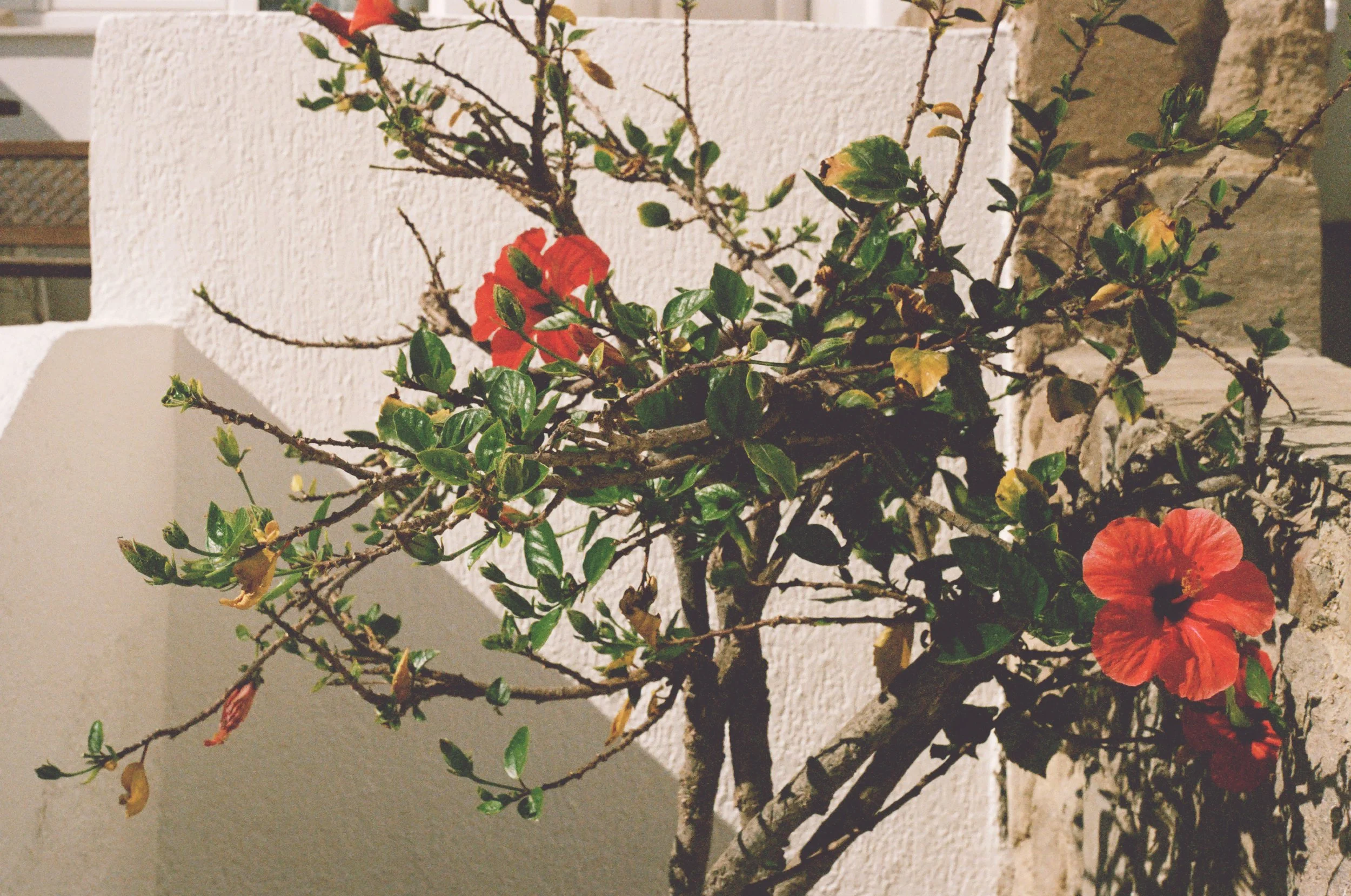
Fig. 20 — hibiscus at the lagada beach hotel
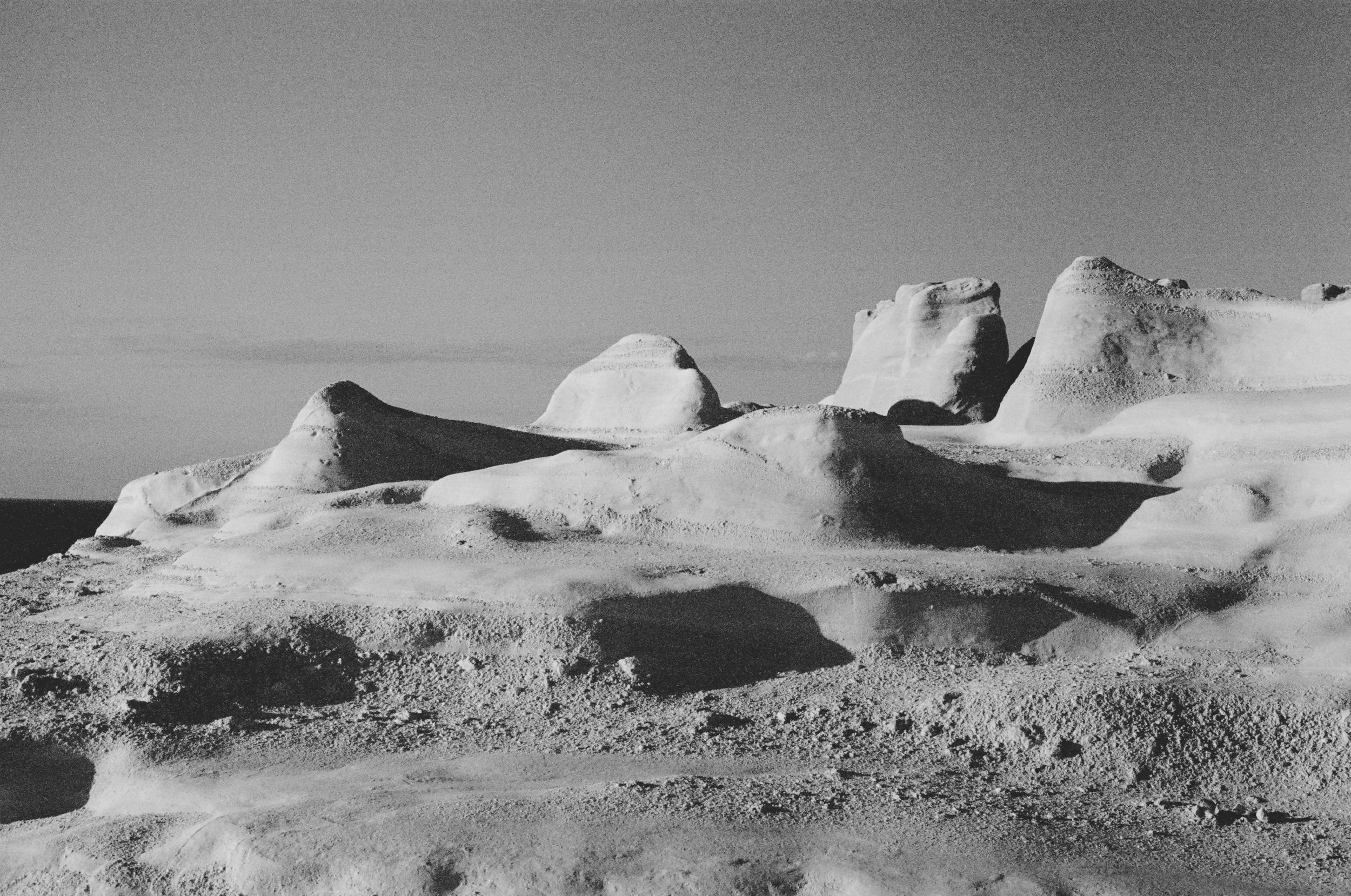
Fig. 21 — “MOON Beach”
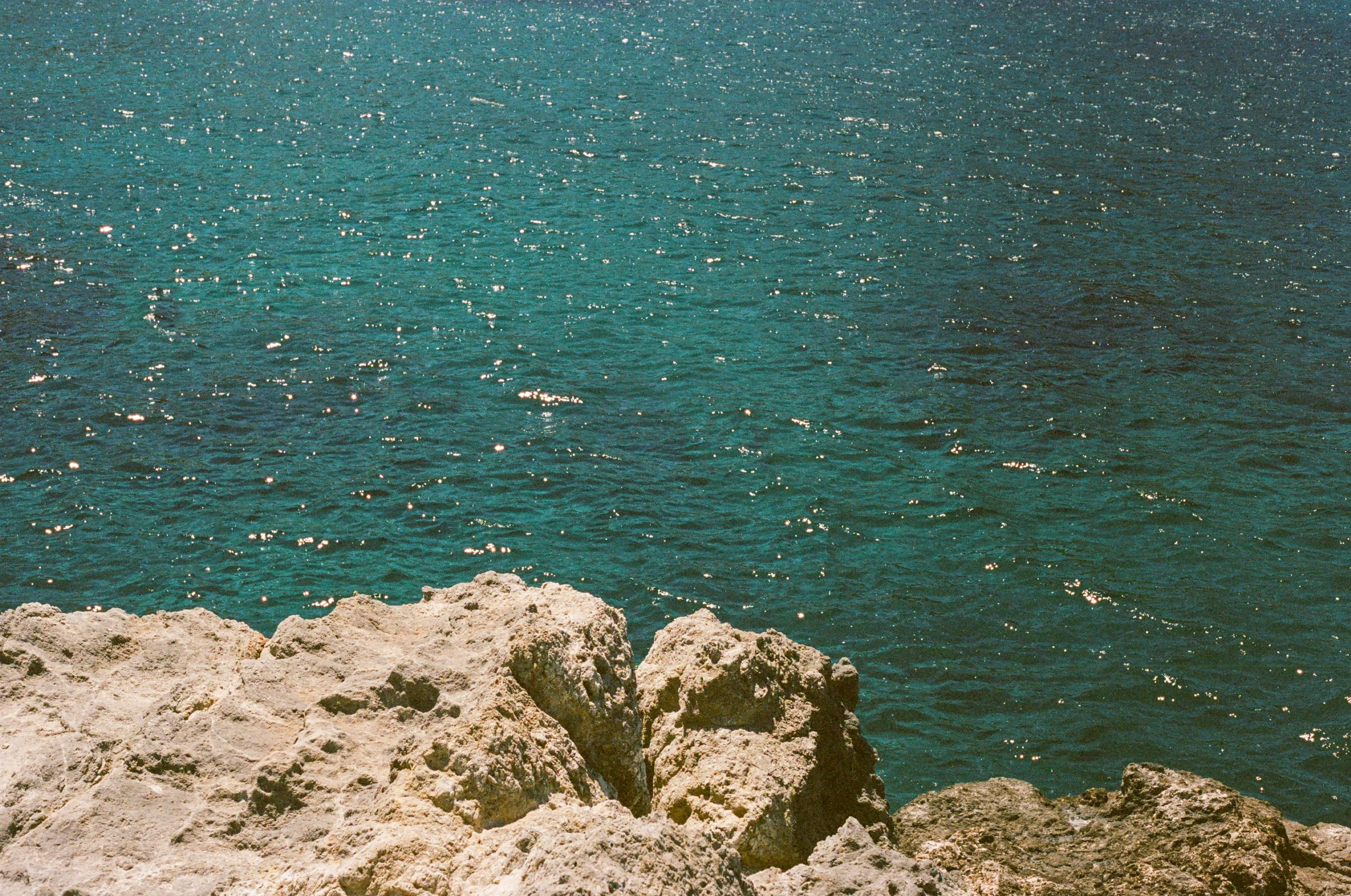
Fig. 22 — MANDRAKIA
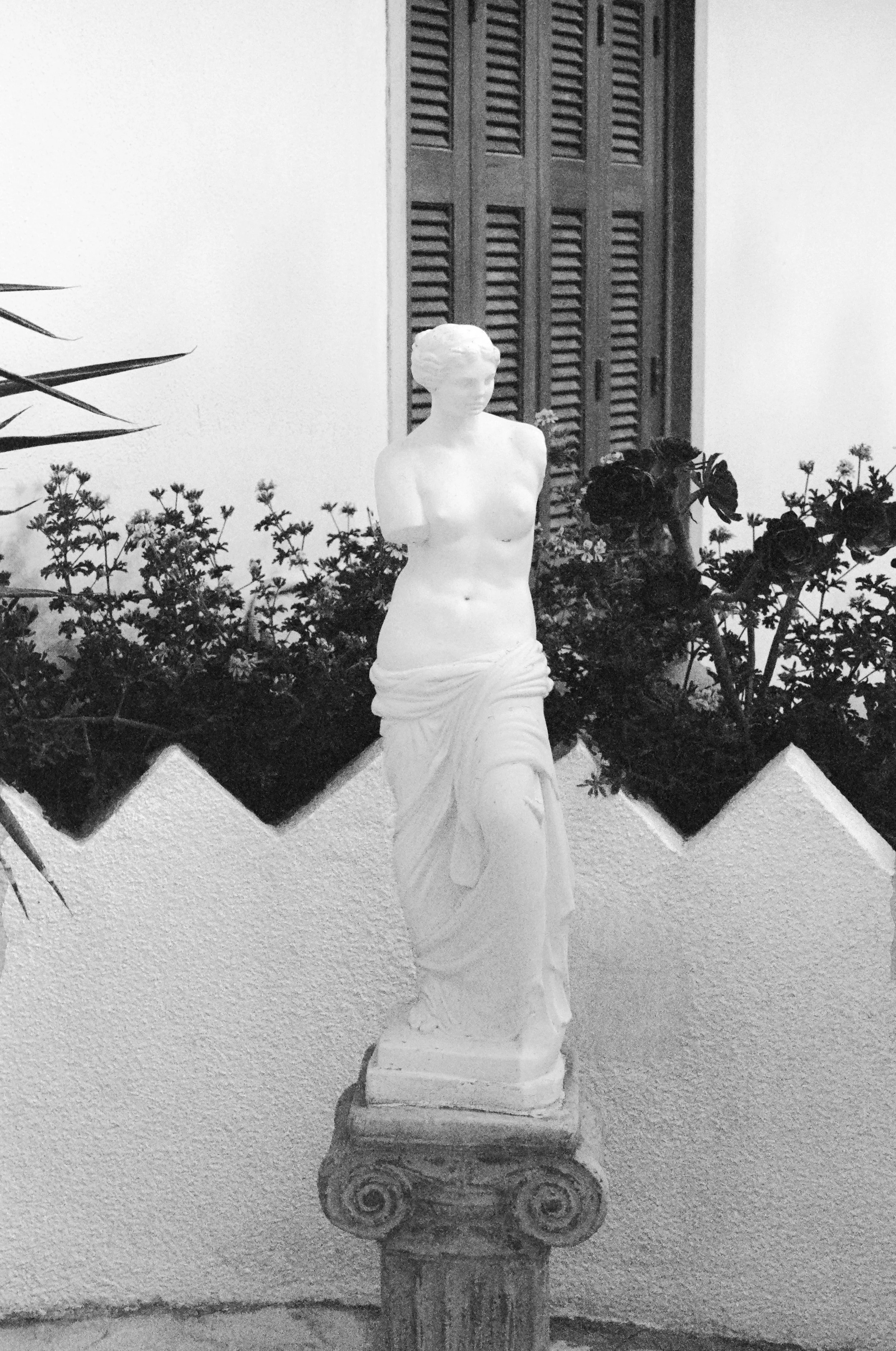
Fig. 23 — venus
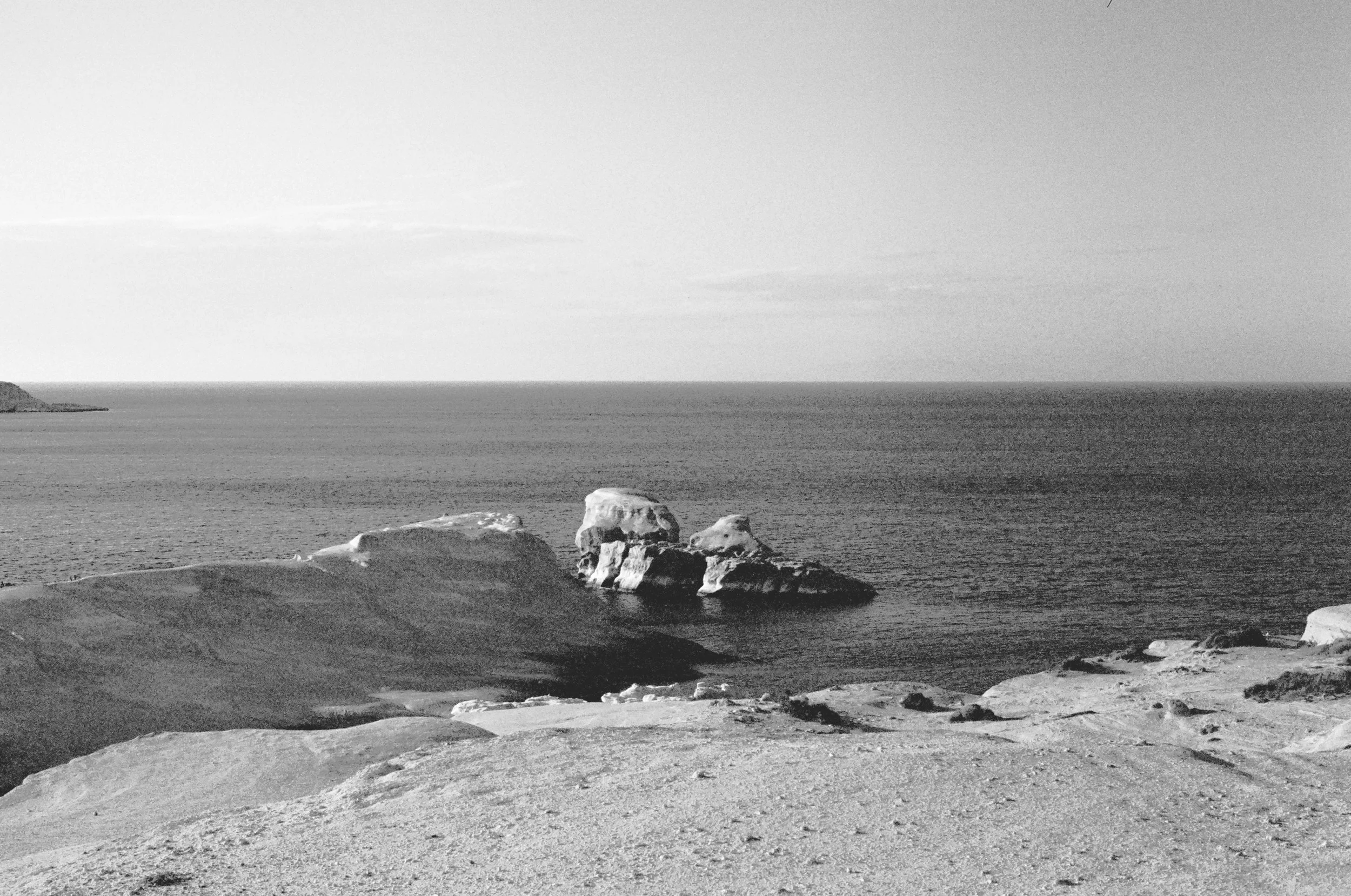
Fig. 24 — Sarakiniko Beach
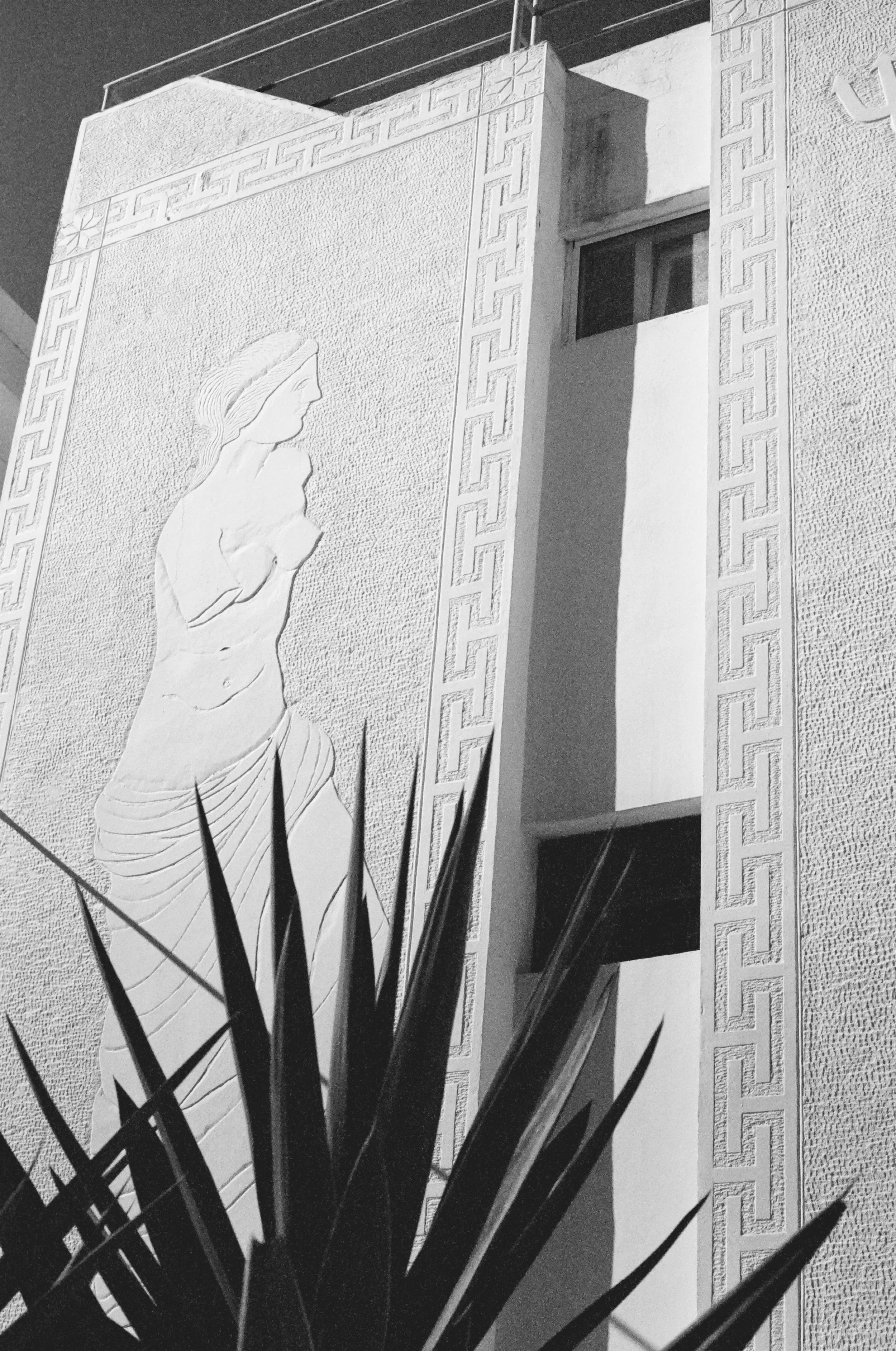
Fig. 25 — hotel aphrodite
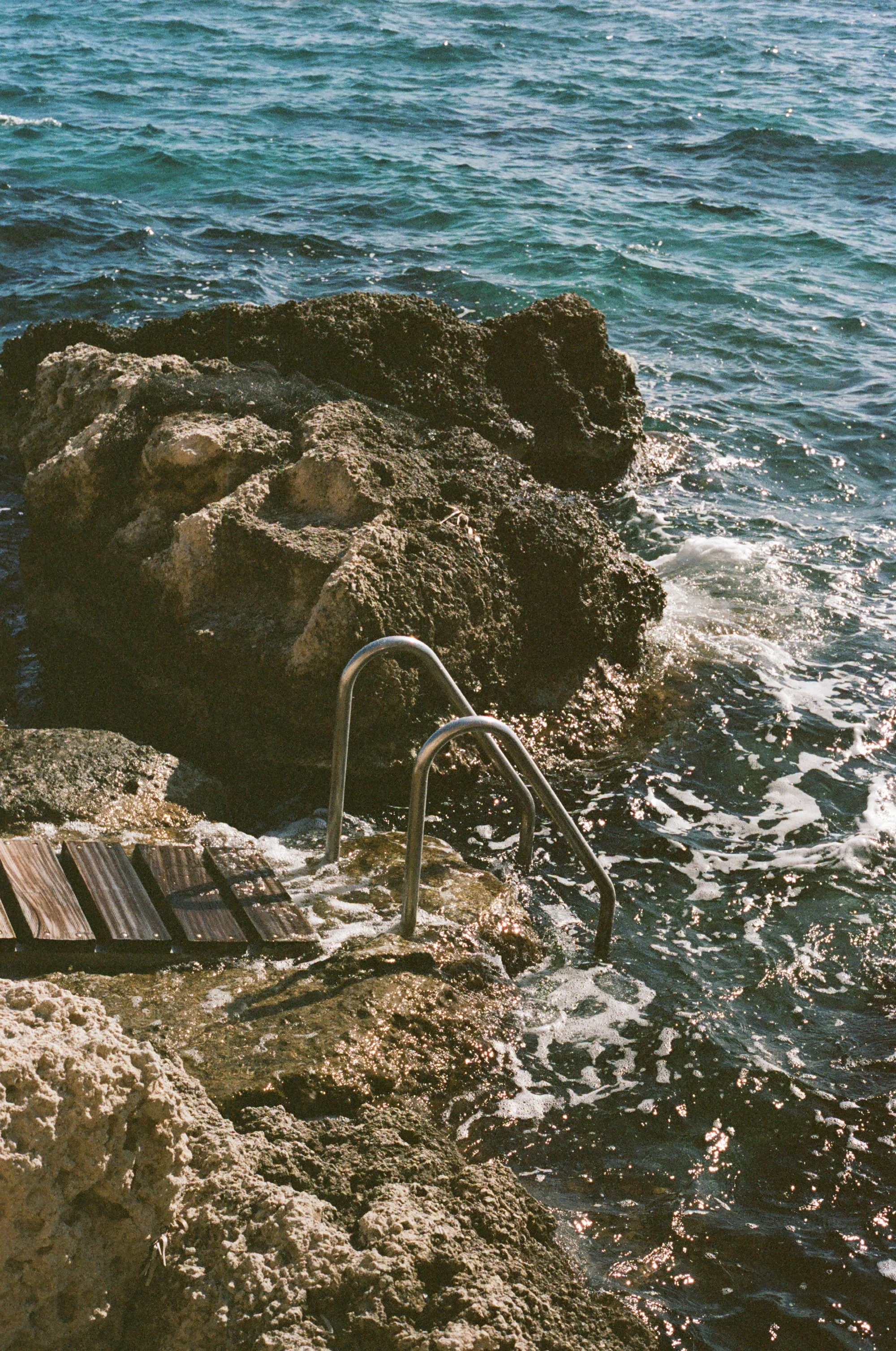
Fig. 26 — Skinopi swimming platform
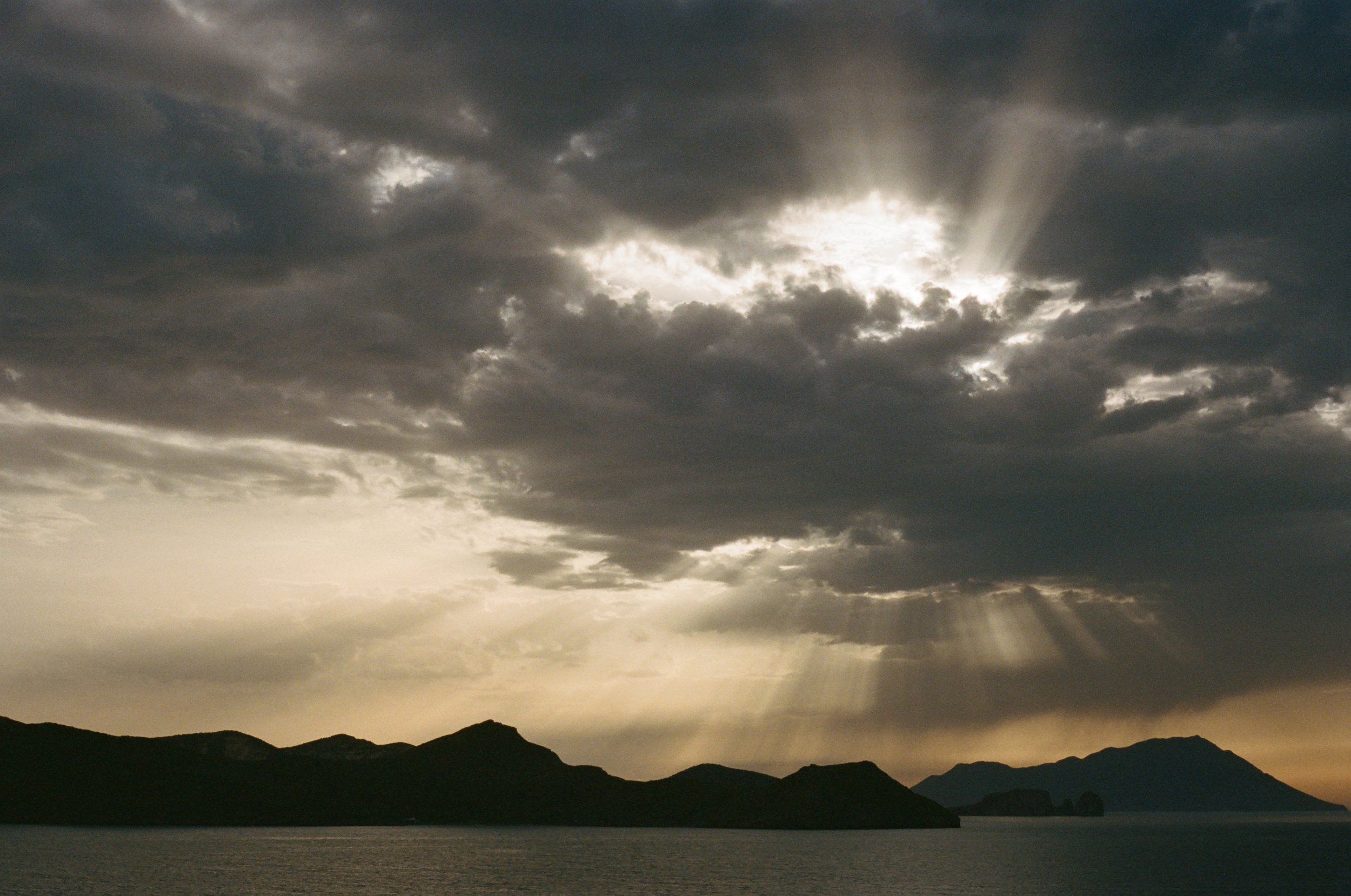
Fig. 27 — Sunset from skinopi lodge