
C.V. Visits — Postcards from Egypt
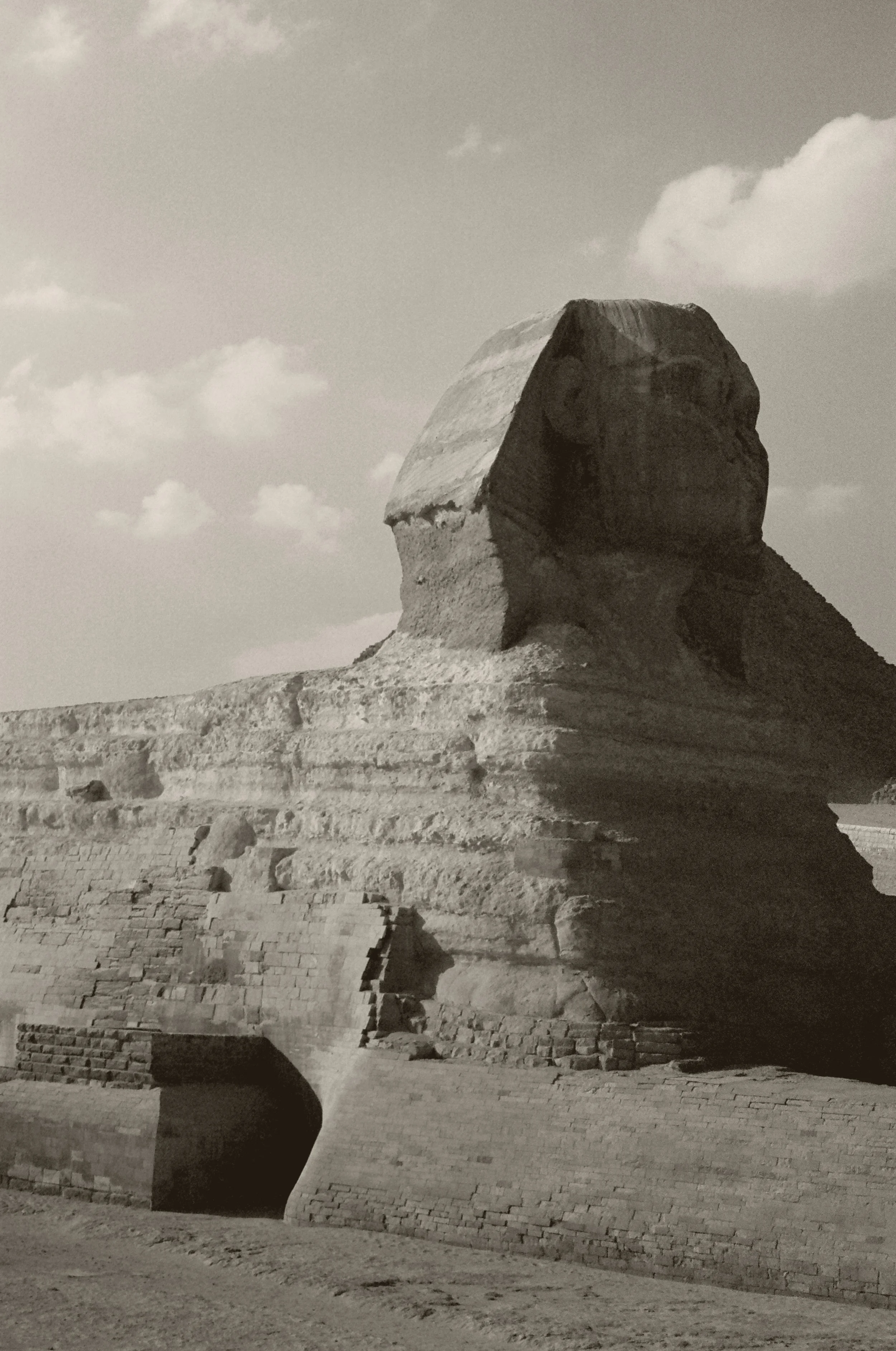
FIG. 1 — The Great Sphinx of Giza (OF COURSE)
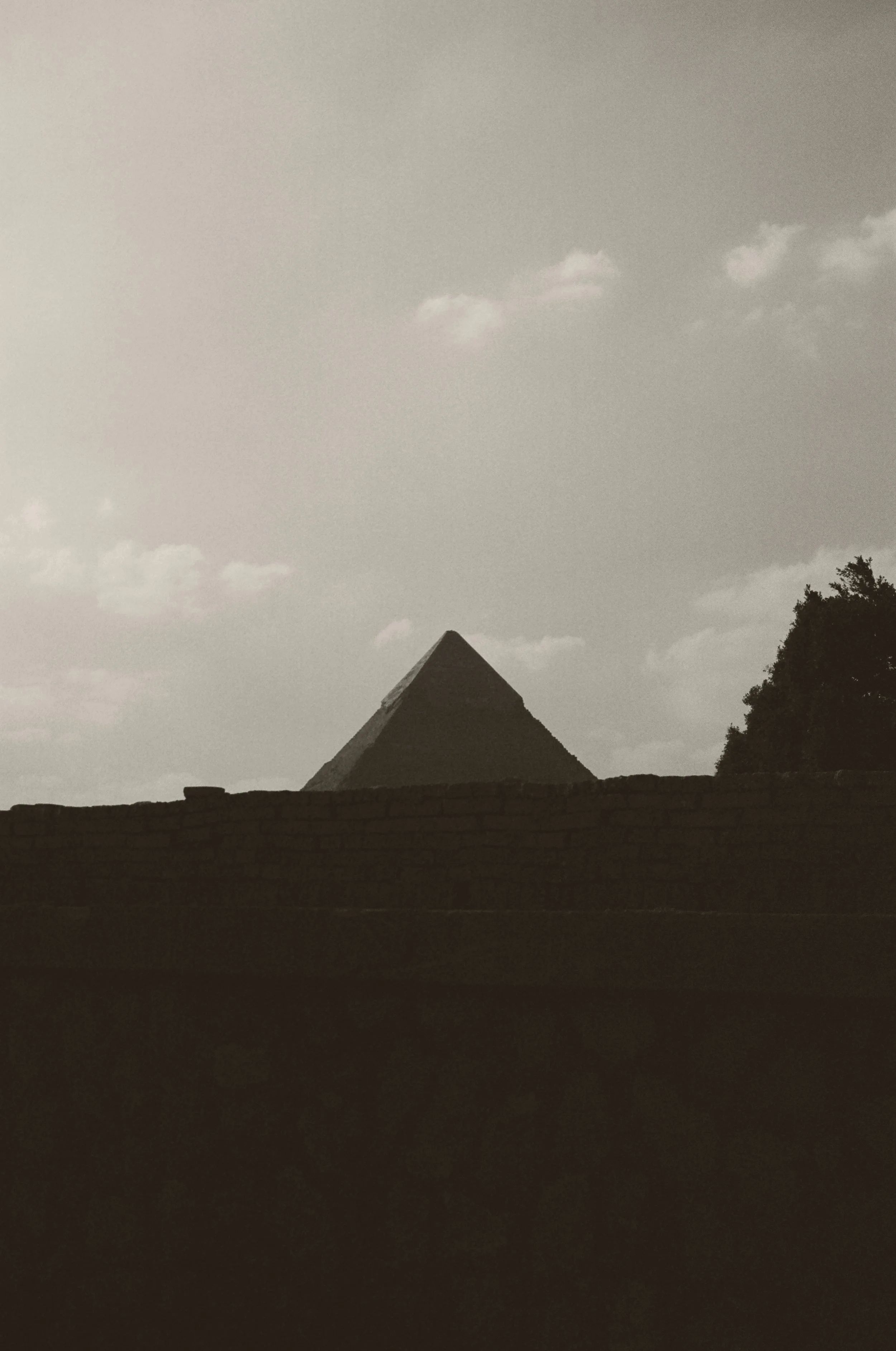
FIG. 2 — A PYRAMID SNIPPET
Shrouded in mystery, advanced complexity, elaborate ritual, and epic brilliance, the lore and history of Ancient Egypt has enraptured people for centuries. It’s no surprise that Egypt sits atop countless bucket lists. Seared into the collective consciousness are the iconic images of this place and civilization: the great pyramids rising from golden sands, remarkably preserved linen-wrapped mummies, and the dark azure Nile, framed by palm trees and papyrus reeds glistening under the desert sun. There is a universal longing to witness these wonders in person and to stand in the energetic cradle that birthed and inspired them. I had dreamt of traveling to Egypt since I was a little girl, when my fascination with Ancient Egypt first took hold. And in October of 2024 (it always takes me so long to finally share meaningful experiences), I finally stood before the sites and treasures that had sparked my imagination for all those years.
My romance with Egypt traces back to my earliest memories. My first exposure came through a book on King Tut owned by my grandparents, purchased when the famous Treasures of Tutankhamun exhibition toured the United States in the late 1970s. This exhibit ignited the Tut-mania of the era and inspired the marvelous Steve Martin skit. I would stare at the cover, completely transfixed by the gold mask and its haunting eyes, desperate to see it in person, only to discover it had long returned to its home far away. The seeds were planted though and I knew one day I would encounter it in real life. To help me fall asleep, my mom would perform a nightly ritual she called “Egyptian Makeup,” pretending to anoint me with sacred oils as she transformed me into an Egyptian priestess. She also enrolled me in art classes at LACMA, where one of the first things we made was a gold foil Eye of Horus medallion. A visit to the Egyptian wing at The Met further sealed my obsession: hieroglyphics, pharaohs, mummies. I longed to know more about these curiousities. By the time I was five, if you had asked me what I wanted to be when I grew up, I would have answered without hesitation: an archaeologist, specifically in Egypt. In fifth grade, I made a paper-mâché replica of Nefertiti’s bust. In sixth grade, I dressed as Cleopatra for Halloween. What began in childhood never faded; it simply evolved and later aligned beautifully with my deep interest in crystals.
I didn’t start collecting crystals because of my relationship with Egypt, but when I found out the Egyptians were the original crystal collectors, it made perfect sense. Of course I’d be drawn to the same magical symbolism they were. For the Egyptians, crystals and precious stones were believed to hold protective, healing, and divine properties. They were integrated into temple rituals, sacred adornments, royal jewelry, and offerings to the gods. These stones signified both worldly prestige and cosmic alignment. To beautify a temple with rare stones wasn’t an act of vanity but a way of honoring the divine and reinforcing one’s place in the spiritual and social hierarchy. In one of my earliest crystal healing sessions, I had a vivid, almost electric memory of being a pharaoh in ancient Egypt. I kept repeating, “They tried to erase me!” The words poured out, insistent and emotionally charged, and I wasn’t entirely sure what they meant. After the session I set out to find if there had been female pharaohs who had been written out of history. To my surprise, there were! Hatshepsut and Twosret. Could I be the reincarnation of one of them? It was Hatshepsut who felt uncannily familiar. Her reign wasn’t driven solely by power; it was about beauty, legacy, and cultural flourishing. She commissioned grand temples, exquisite statues, and intricate reliefs that elevated Egyptian artistry to new heights. She was so successful and so powerful that her legacy was literally chiseled out of history after her death. Her stepson and likely co-regent, Thutmose III, led a systematic campaign to erase her from the record. Her images were destroyed, her cartouches removed, her statues smashed and buried. And yet...she endures. Whether or not I actually have past ties to Hatshepsut, I feel a deep kinship to her. She is my favorite Pharaoh!
I’ve been to some fairly far-flung places…India, Cambodia, Morocco, but Egypt is by far the most personally meaningful. To step into the places I had seen in books and documentaries and to have my lifelong dreams materialize felt truly otherworldly. Finally "returning" to Egypt in this lifetime was a surreal experience. There are so many special moments and things I got to see on this trip that it's hard to sum it up without going on forever. But here are some of them:
The Egyptian Museum of Antiquities
With its peach-colored facade and charmingly primitive displays, this museum feels like a Wes Anderson set. I could have stayed amongst the dusty vitrines, quirky typographic signs, and barely guarded treasures for hours. And at last, I laid eyes on the King Tut mask I had admired endlessly on the cover of my grandparents’ book.
The Nile River
Seeing the sacred Nile River for the first time from high above our hotel balcony, shimmering through the city’s haze and framed by swaying palms was like stepping into a dream.
Meeting Sekhmet
My favorite goddess from the Egyptian pantheon is the half-lioness Sekhmet. Known as the deity of war and the blazing sun, she is best known for the bender she went on when she tried to destroy humanity. A breathtaking statue of her lives at Karnak Temple, hidden behind a locked door. You have to know to ask for the keeper of the key. I made sure we found him. The room was almost completely dark, save for a single shaft of sunlight playing across her stone face.
The Valley of the Kings
With over sixty burial sites, this place is astonishing. Some are nestled so deep within the hills and underground that they are only accessible through creaky stairs and somewhat claustrophobic tunnels. These tombs are decorated with the most exquisite hieroglyphics and imagery, with preserved vivid colors that make their age hard to believe.
El Deir el-Bahari
I waited to visit with bated breath. Rising dramatically against the cliffs, this monumental mortuary temple is an amazing feat of design and scale, and it is Hatshepsut’s. To stand there, in the place she envisioned and commissioned, to walk those terraces and gaze upon the grand colonnades carved into the limestone, was epic. The place is absolutely insane. So modern, so refined, so chic! It did not disprove my reincarnation theory.
The work of Hassan Fathy
Fathy was a visionary modernist Egyptian architect who believed that architecture should serve both people and place. He drew upon ancient Nubian mudbrick techniques to create structures that were sustainable, affordable, and deeply connected to the land.
A Nile Cruise
Floating down the Nile on a traditional felucca for three days feels like time standing still. For a brief moment you can pretend you are a character in an Agatha Christie novel. You get to absorb the exact same landscape (albeit a few eletrical towers) that the Ancient Egyptians did. The Nile was such a profoundly important part of the way they lived, evolved, and viewed the world.
Old Cataract Hotel
Staying at this legendary hotel was a time warp. Perched on the banks of the Nile in Aswan, it is the very place where Agatha Christie wrote Death on the Nile, which I had just begun reading during the cruise. The hotel’s grand terraces overlook the river, its interiors glow with vintage elegance, and the air feels charged with a sense of history and intrigue. To walk its halls is to be transported into a bygone era of glamour, where one can imagine a murder mystery lurking around every corner.
Egyptian culinary delights
Fresh hibiscus tea, feteer (a layered, flaky pastry drizzled with molasses), and kochari
Ibn Tulun Mosque
This is one of Cairo’s oldest and most atmospheric mosques. Its vast courtyard and simple brick arches create a quiet escape from the city’s constant mishegas. Time seems to slow there, the bustle of Cairo replaced by silence and open sky.
The Gayer-Anderson Museum
This beautifully preserved 17th-century house in Cairo that once belonged to English officer and collector Major R.G. Gayer-Anderson. Stepping inside feels like entering a time capsule, yet its stylistic details could easily appear in the pages of Architectural Digest. Each room reveals a different vignette, with carved mashrabiya latticework, Ottoman furniture, Persian carpets, Islamic art, and curious treasures gathered from across the region. The layered collections create an atmosphere that is both historic and unexpectedly modern.
And of course the pyramids
These babies do not disappoint. They are everything and more that one can expect them to be. Sacred, epic, marvels of engineering and human (or ancient alien) feat. I didn’t love the claustrophobic feeling crawling inside the burial chamber, but it was pretty wild to be in such a space.
—
And perhaps as is always the case when traveling, I develop the most intense fondness for the lovely, kind, and generous people who go out of their way to make sure we are comfortable, having an amazing time, and are left with the best impressions of their country. Our Nile cruise was filled with the warmest people with the brightest smiles and sweetest souls. I practically burst into tears on our final night when they presented us with a baked Alaska in the shape of the pyramids.
Egypt is, quite simply, magic. A bucket list trip that I feel so grateful to have been able to experience.
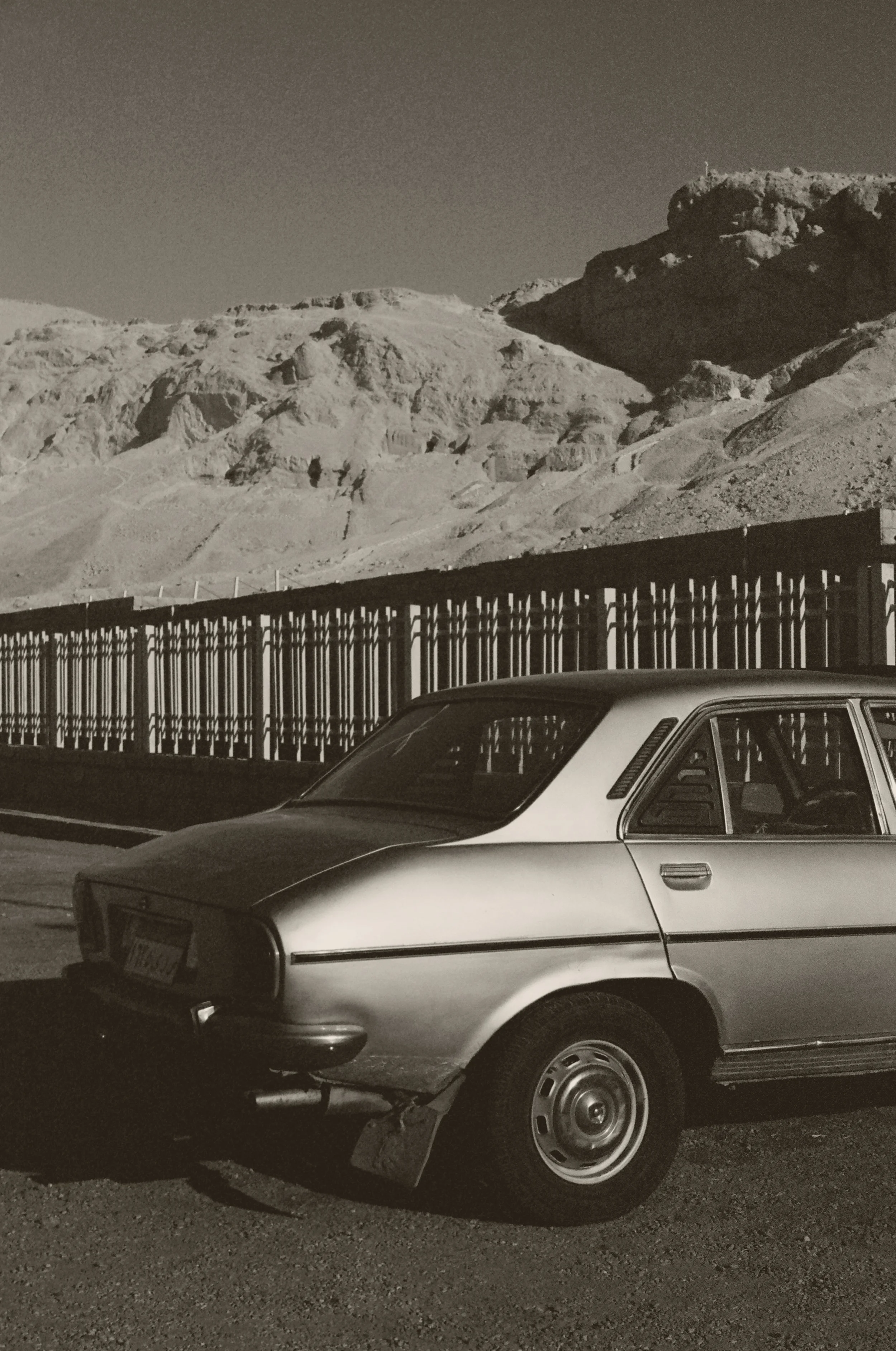
FIG. 3 — IN THE PARKING LOT OF Deir el-Bahari
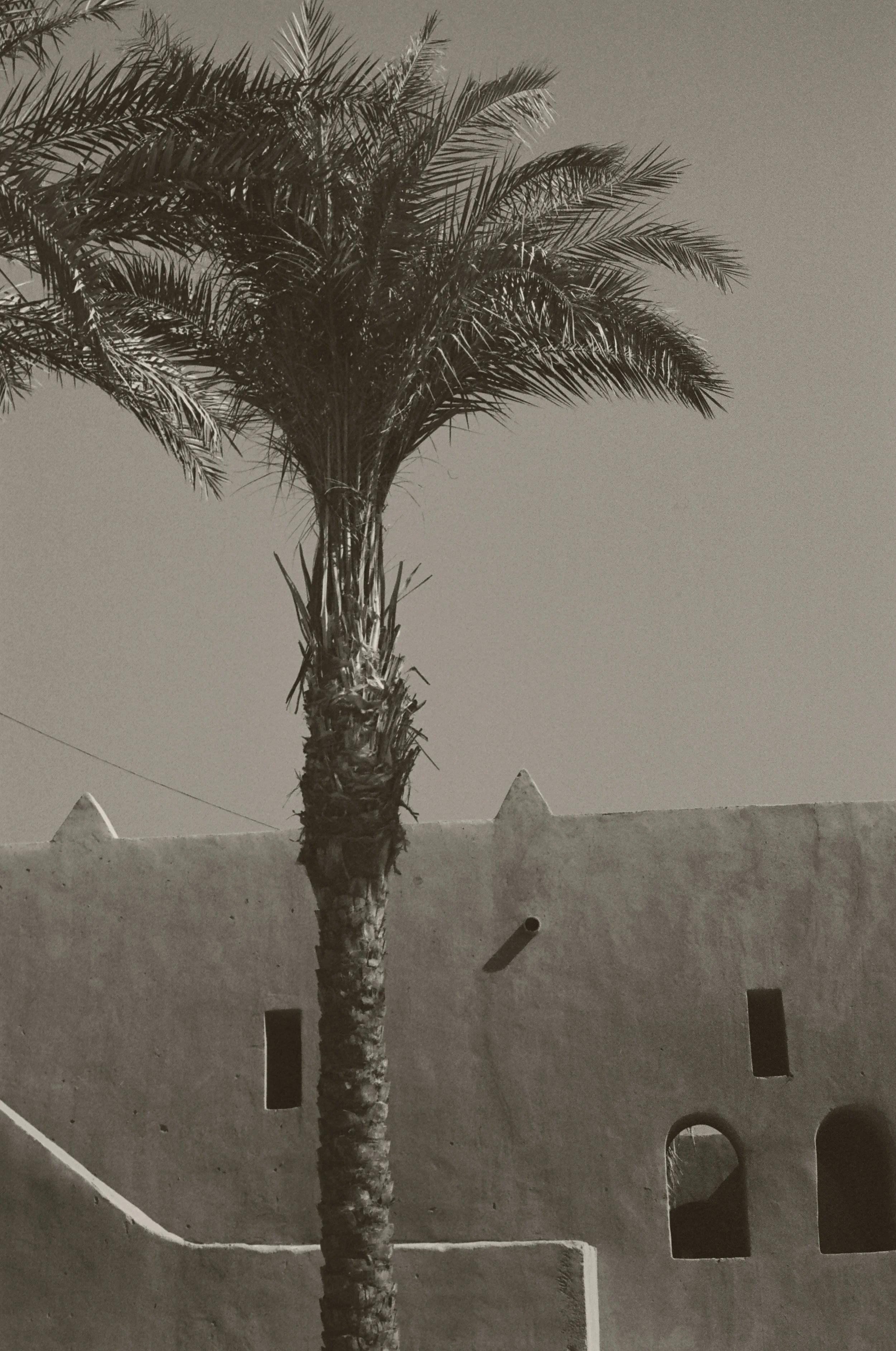
FIG. 5 — THE ARCHITECTURE OF HASSAN FATHY, LUXOR, c. 1946
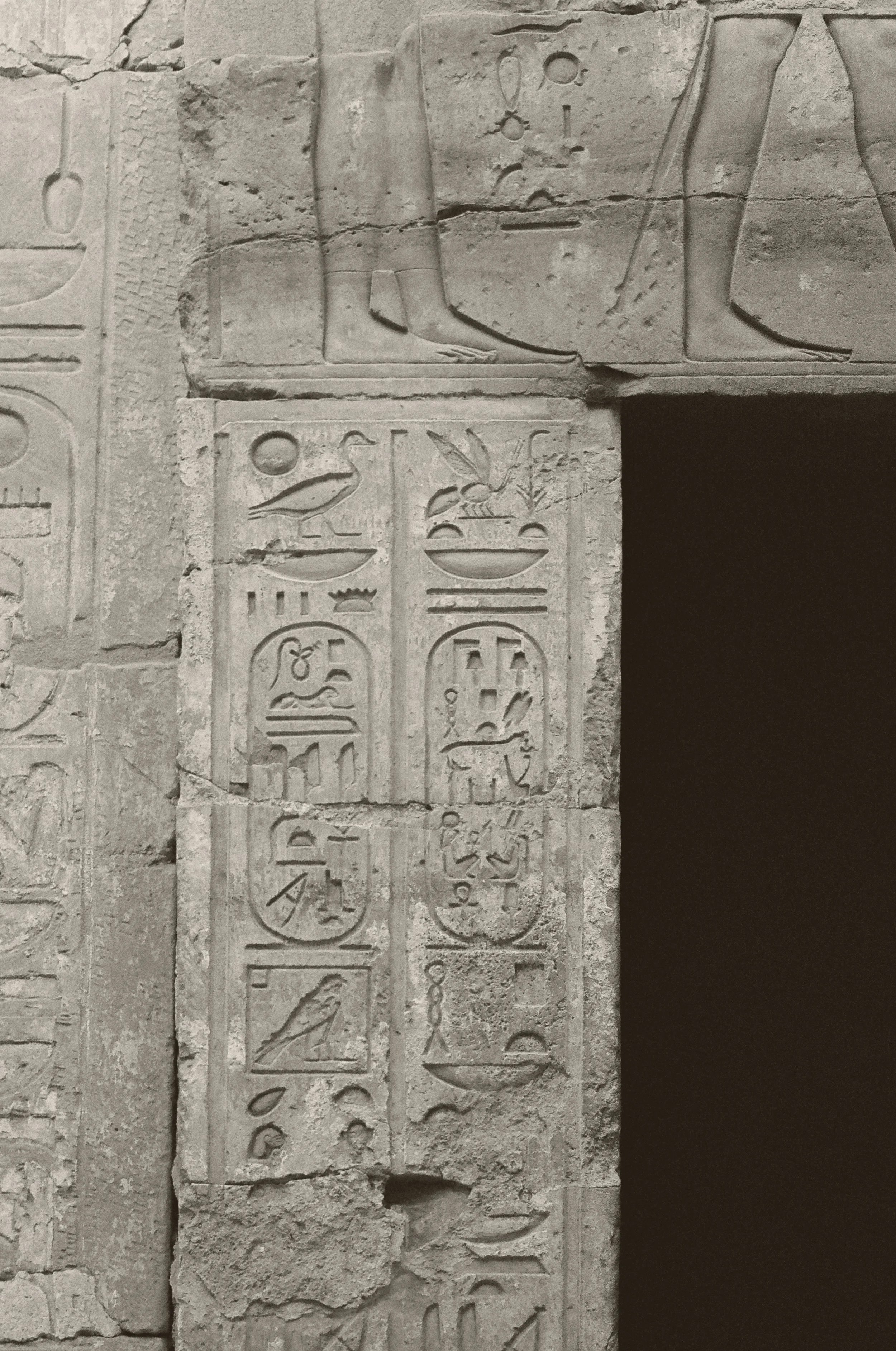
FIG. 7 — cartouche of Hatshepsut, Deir el-Bahari
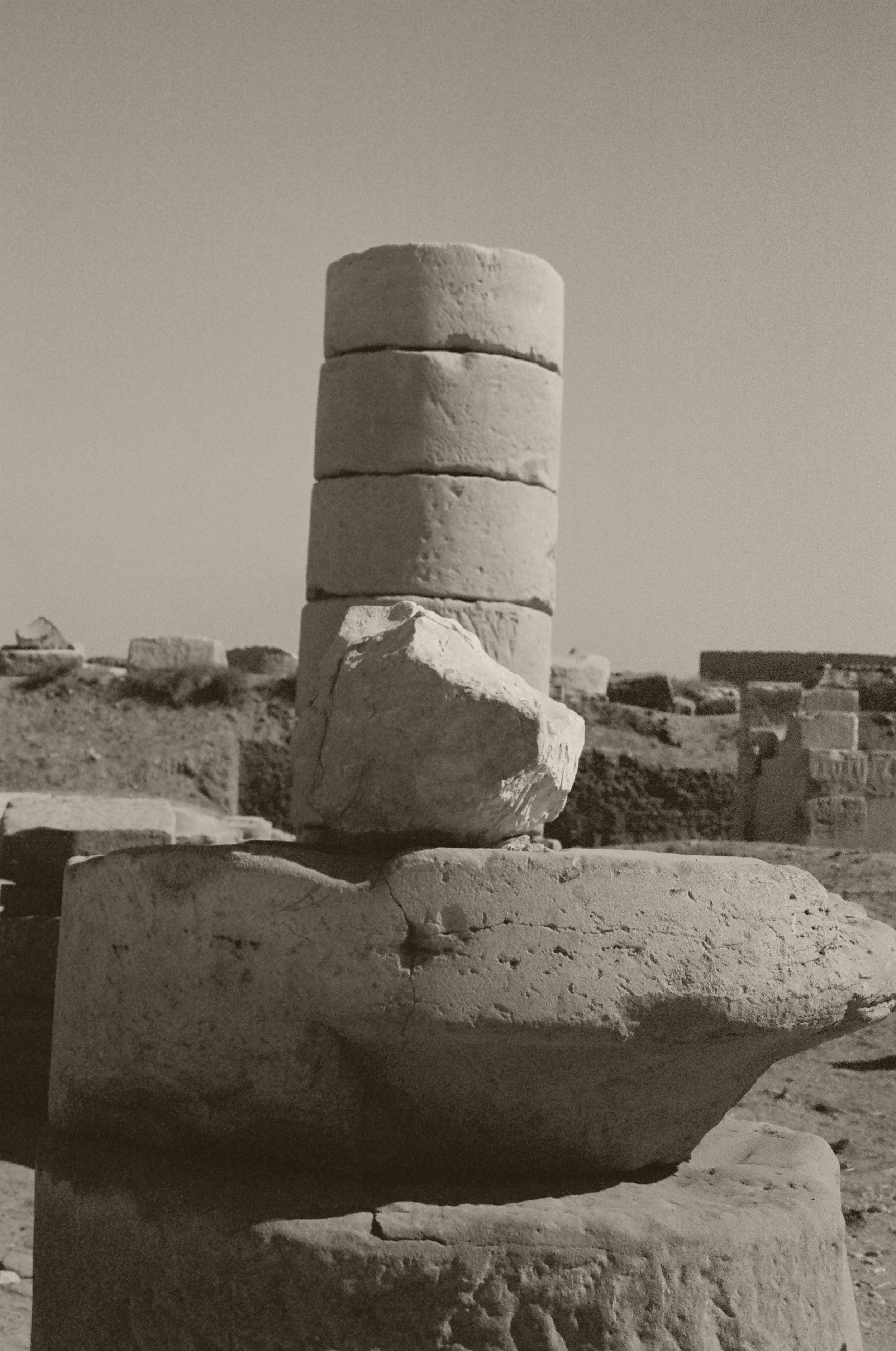
FIG. 4 — ROCKS OF AL KARNAK TEMPLE
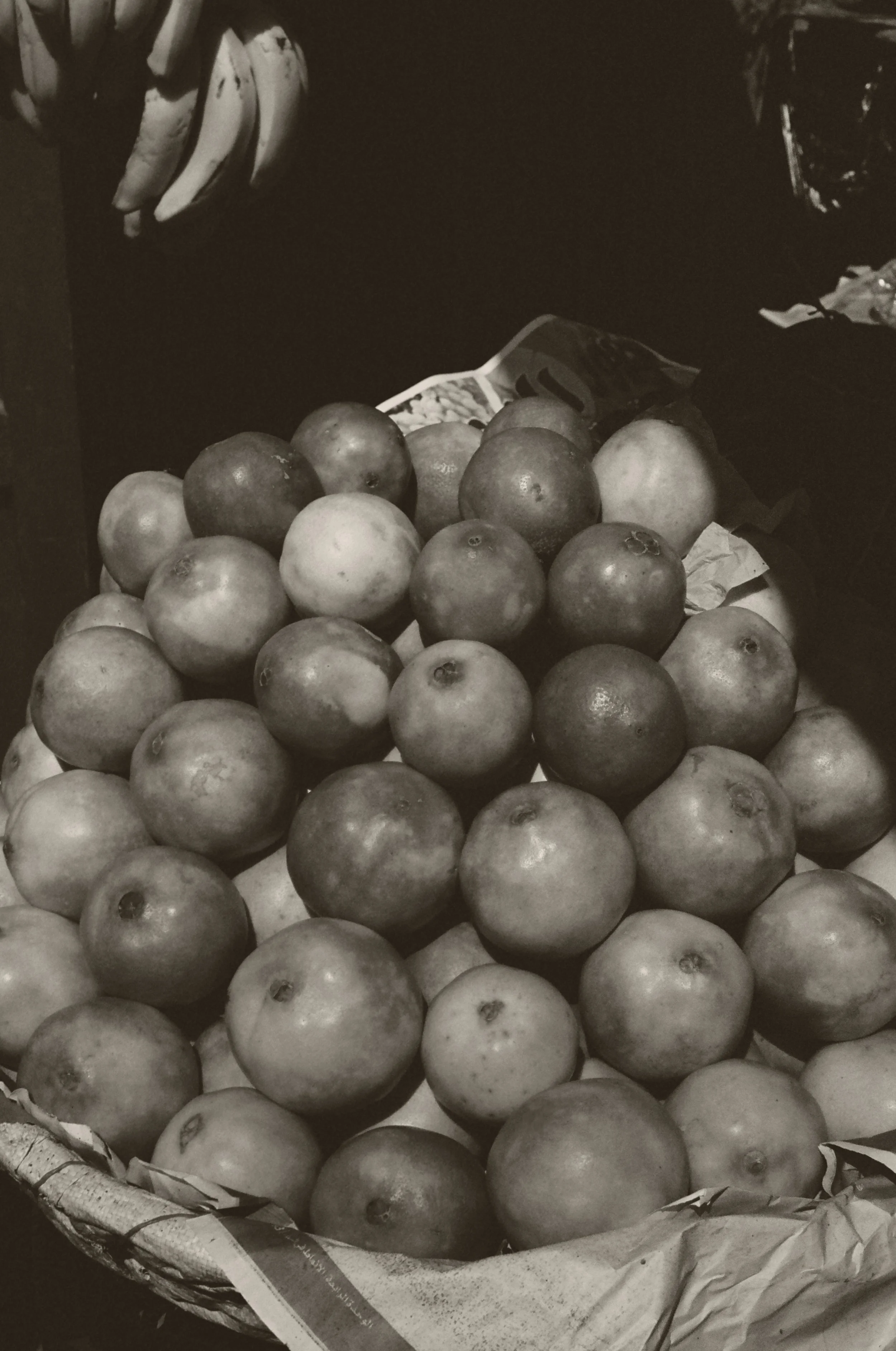
FIG. 6 — BASKET OF LIMES AT khan el-khalili, CAIRO
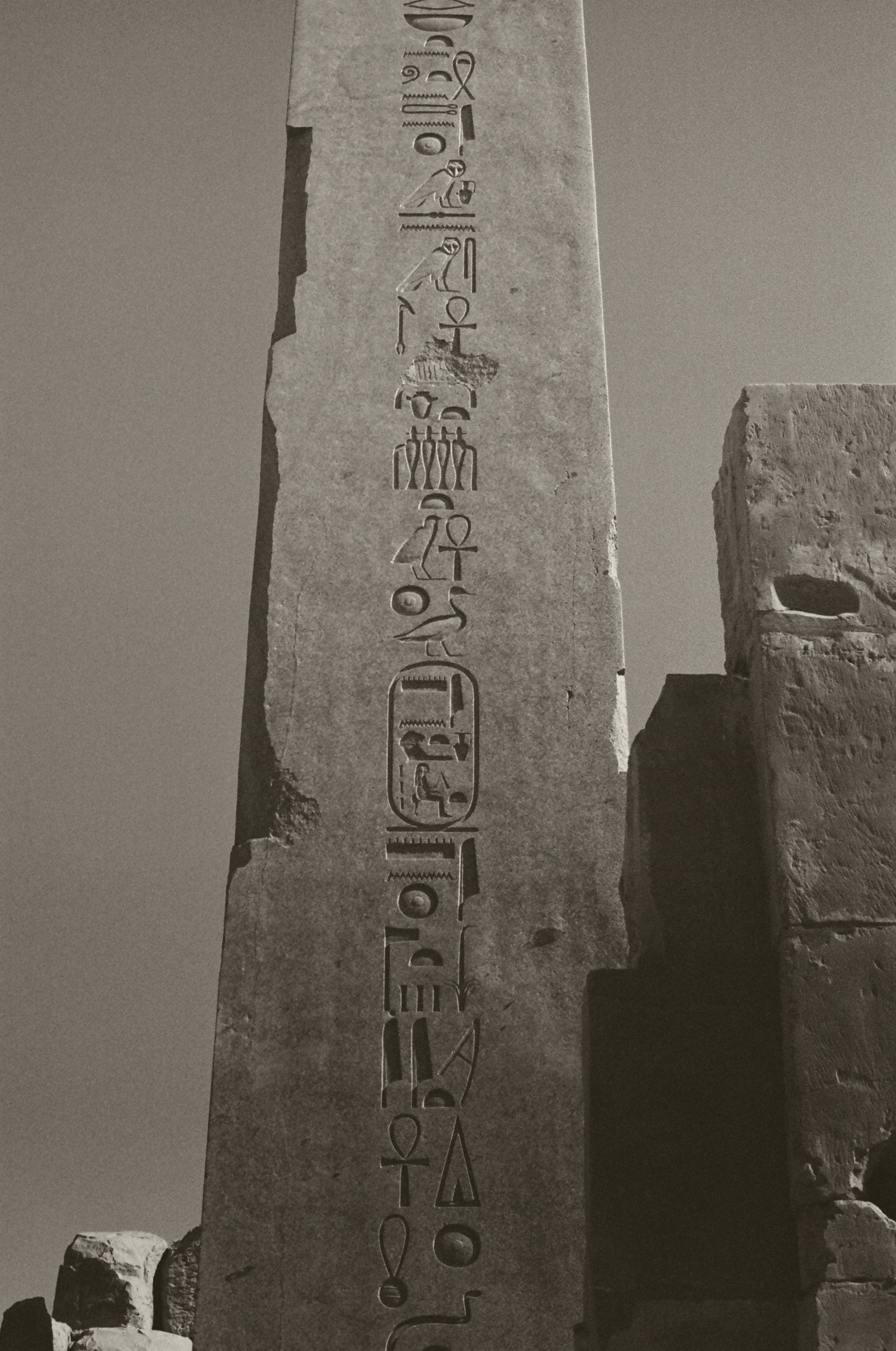
FIG. 8 — Hatshepsut’s Obelisk, Al Karnak
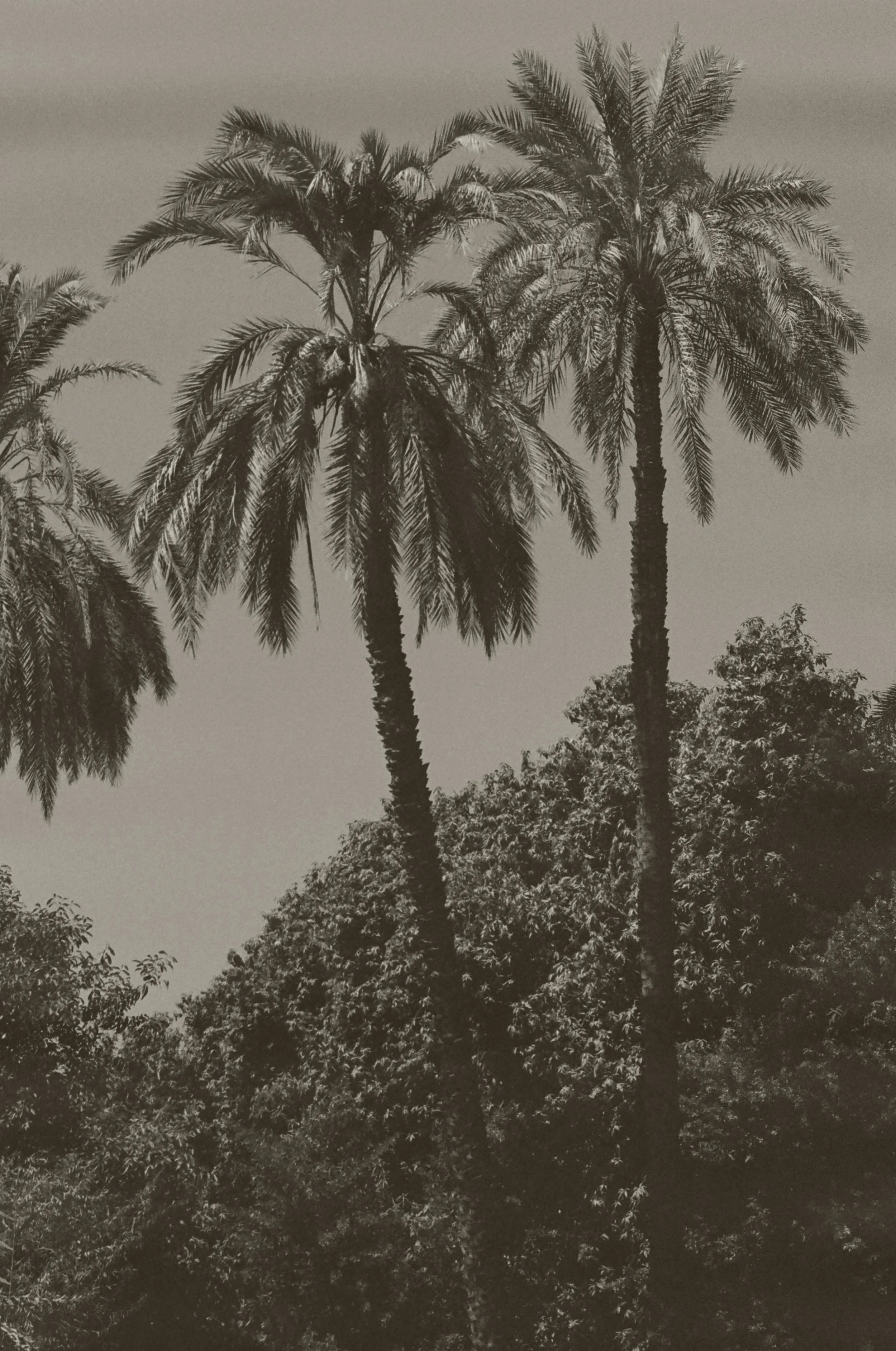
FIG. 9 — Palms from the Nile River
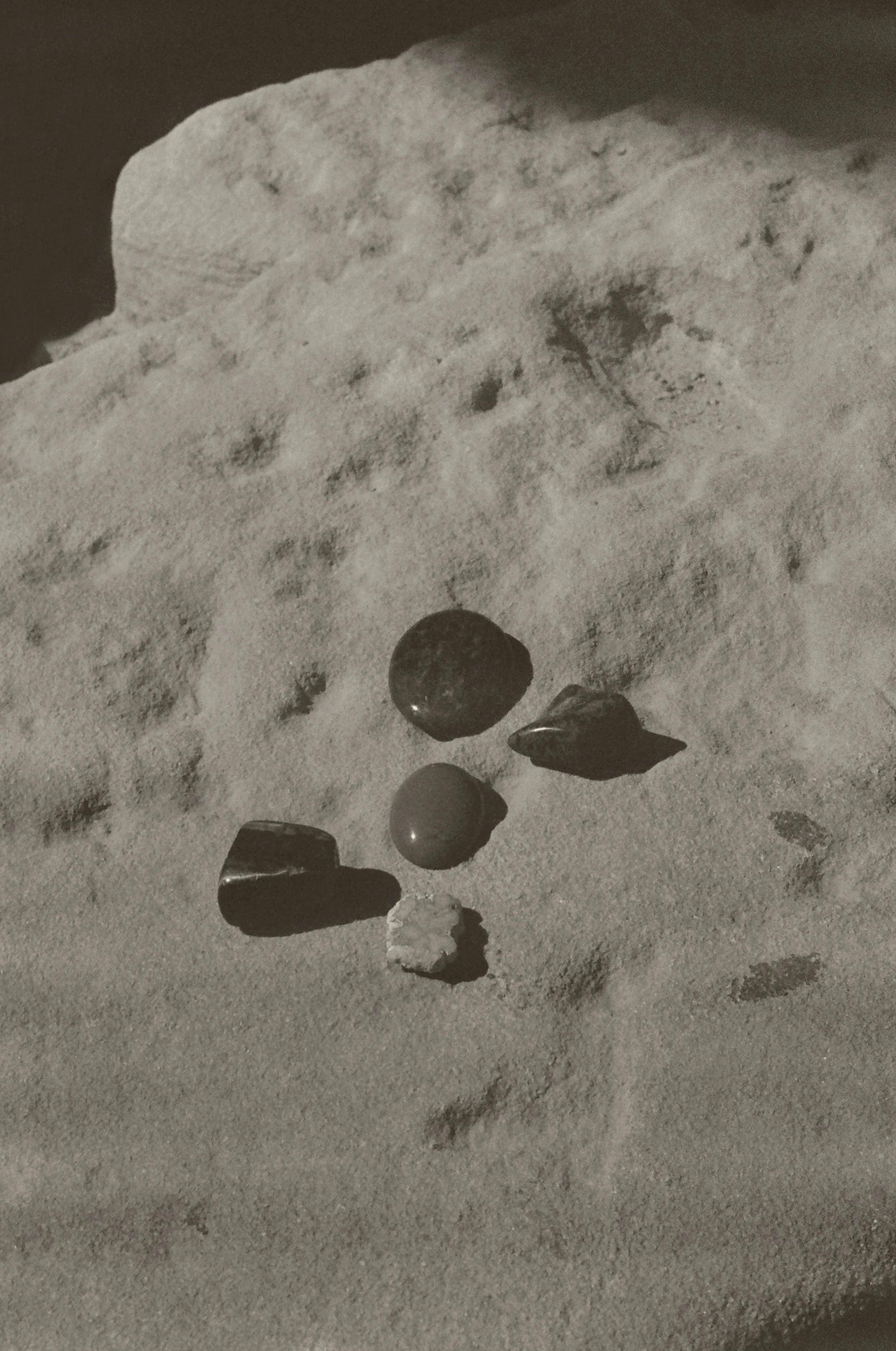
FIG. 10 — Crystals arranged at PHILAE TEMPLE
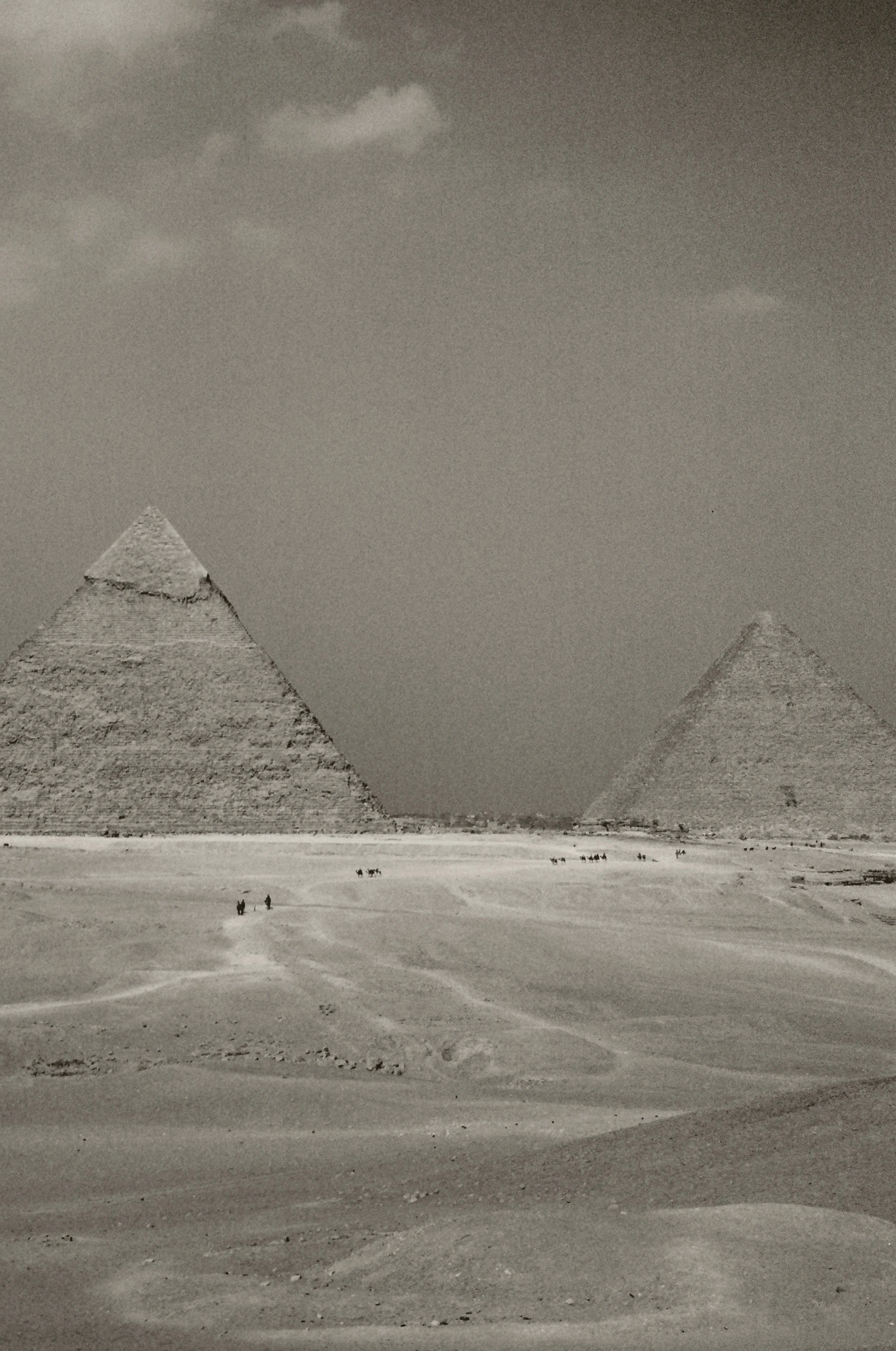
FIG. 11 — THE Giza Necropolis
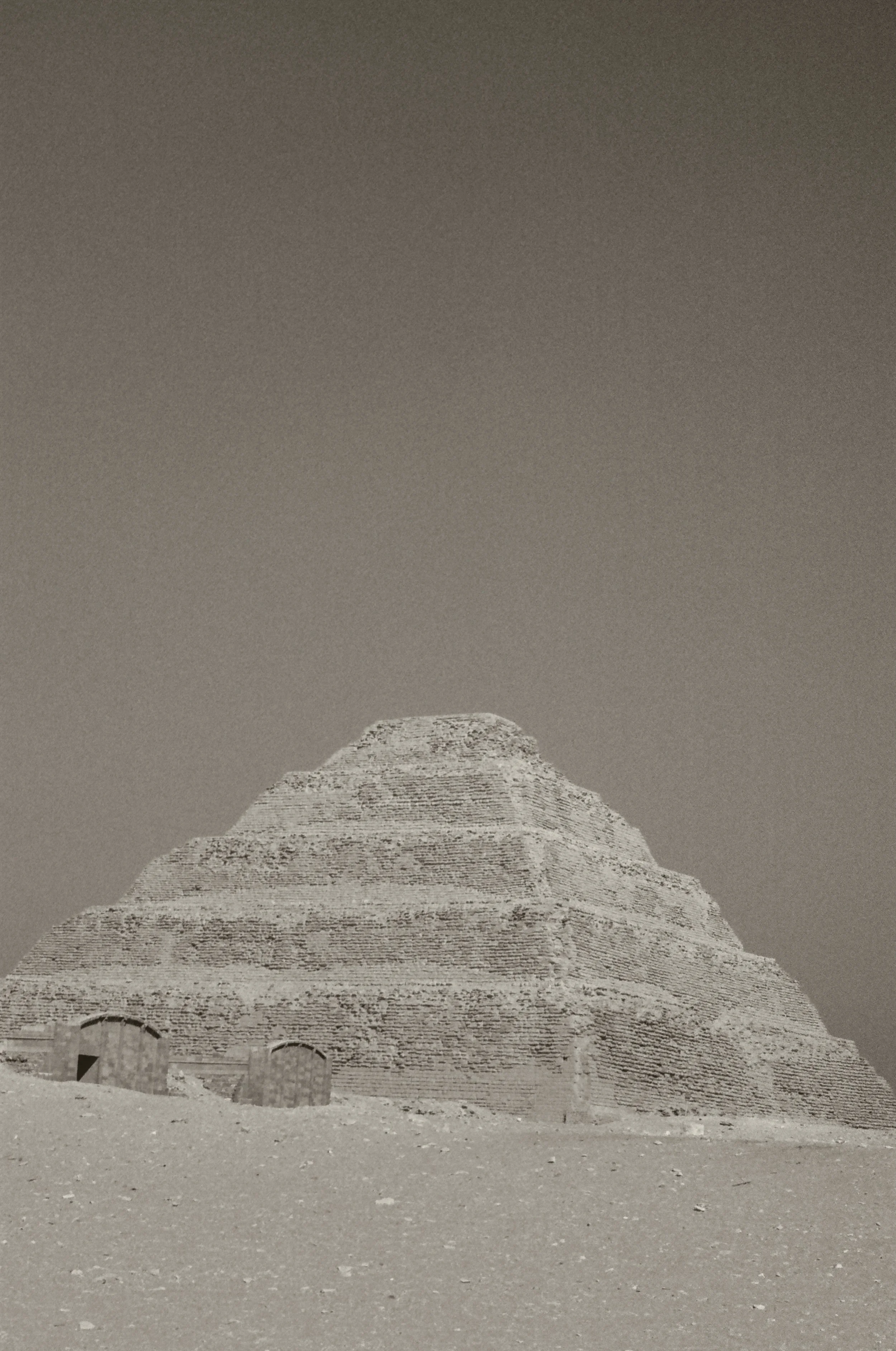
FIG. 12 — The first pyramid, Saqqara
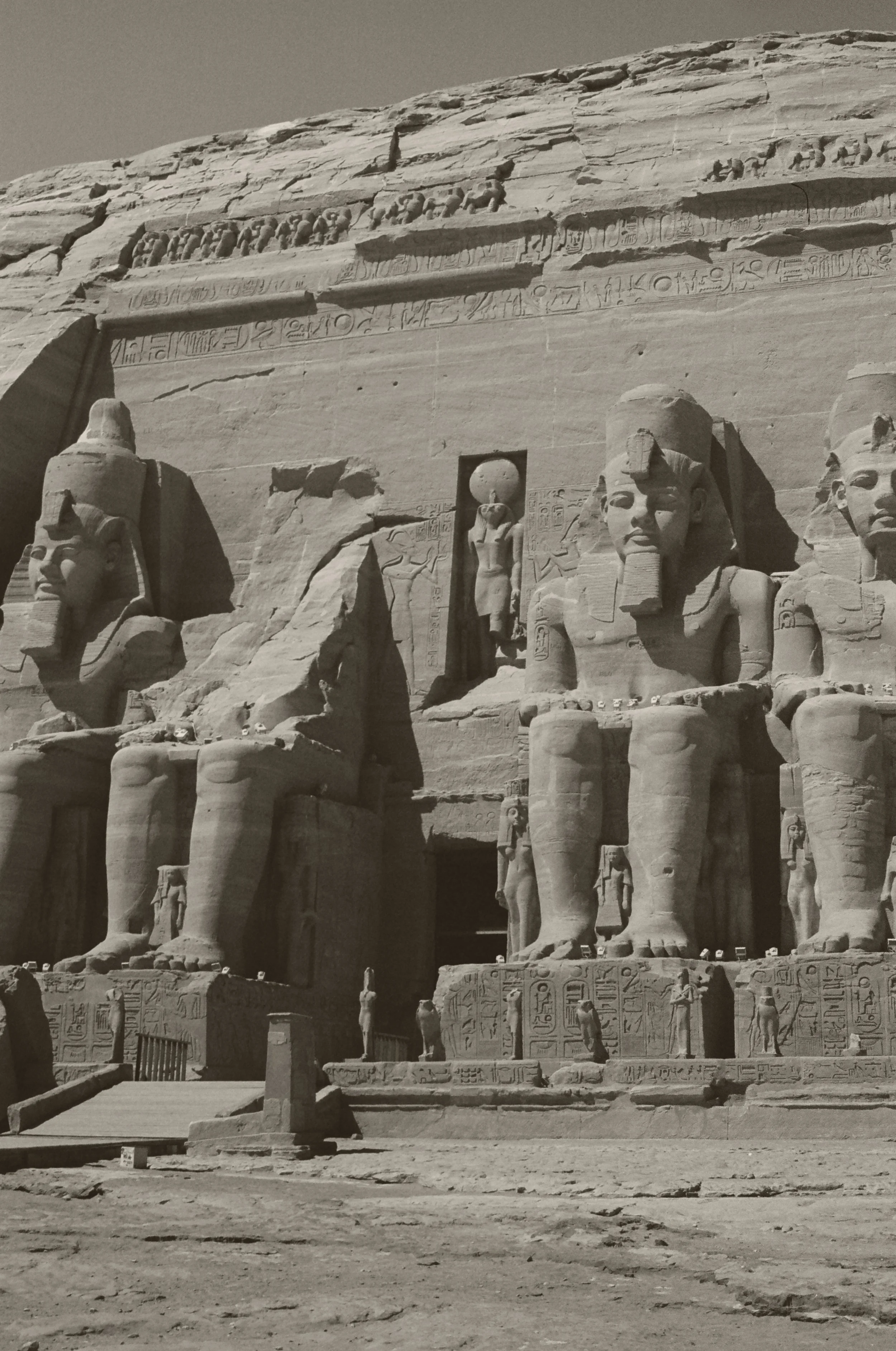
FIG. 13 — Colossal statues of Pharaoh Ramesses II at the entrance of Abu Simbel Temple in Aswan
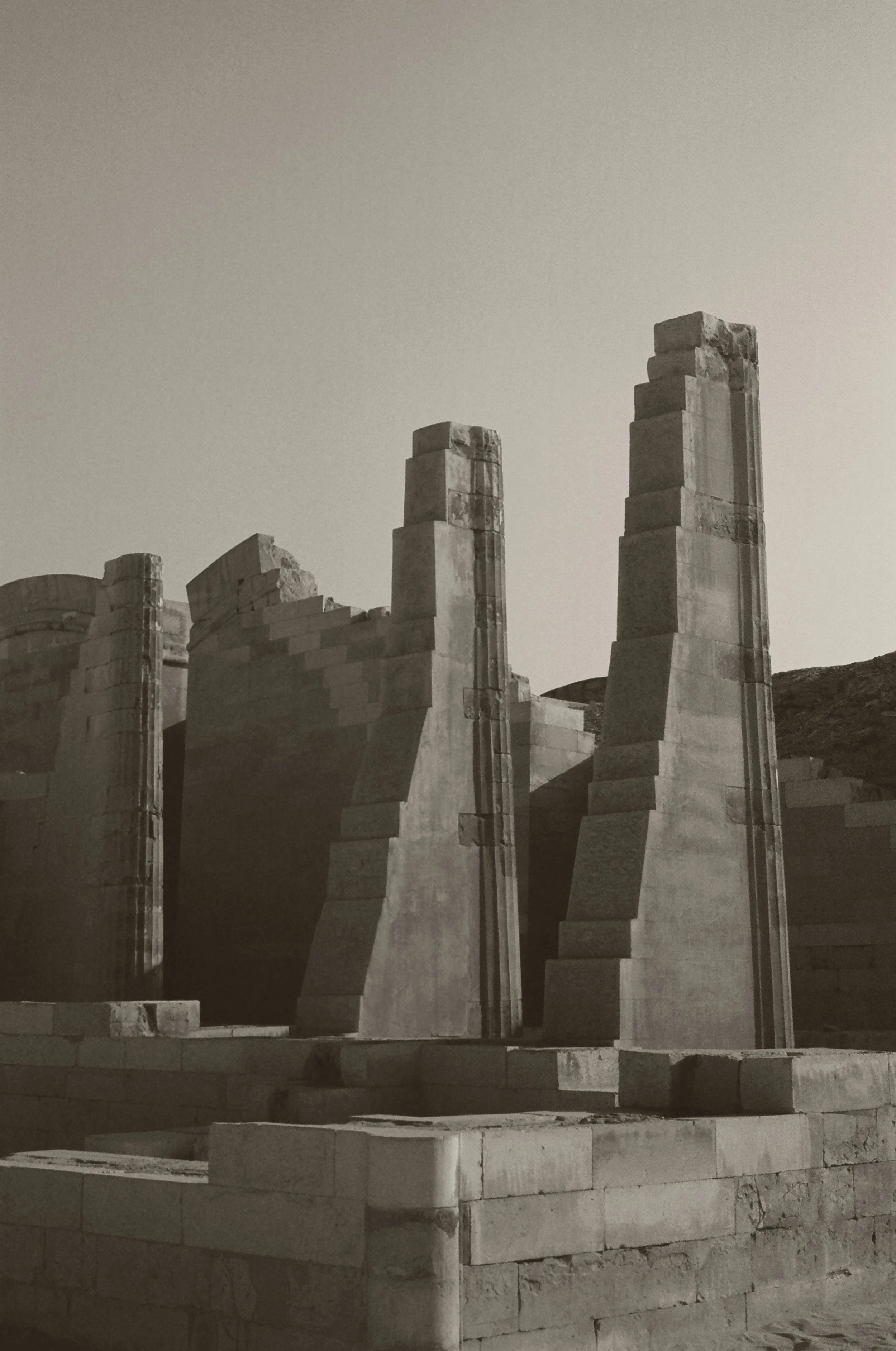
FIG. 14 — SAQQARA
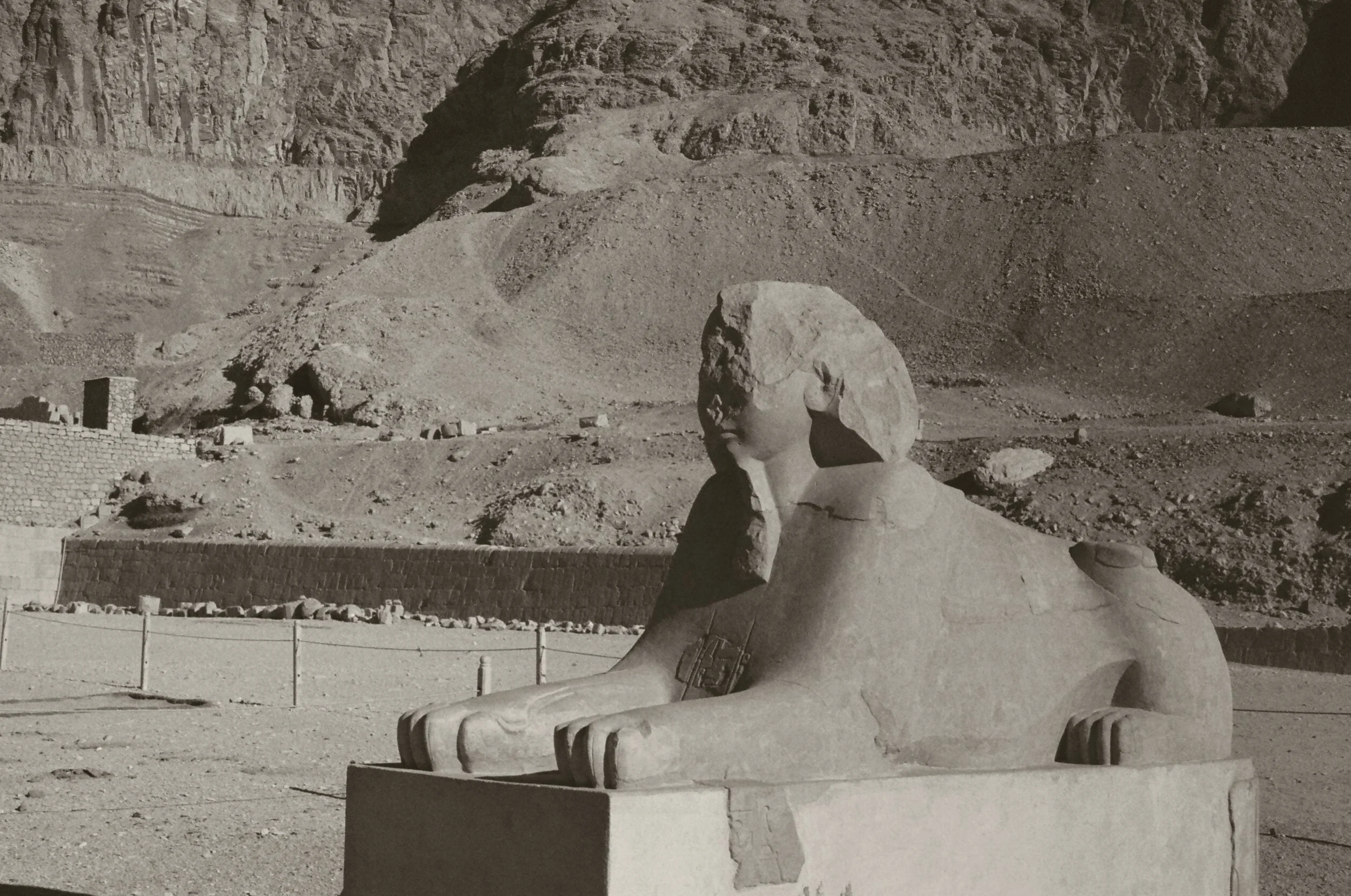
FIG. 15 — Sphinx, Deir el-Bahari
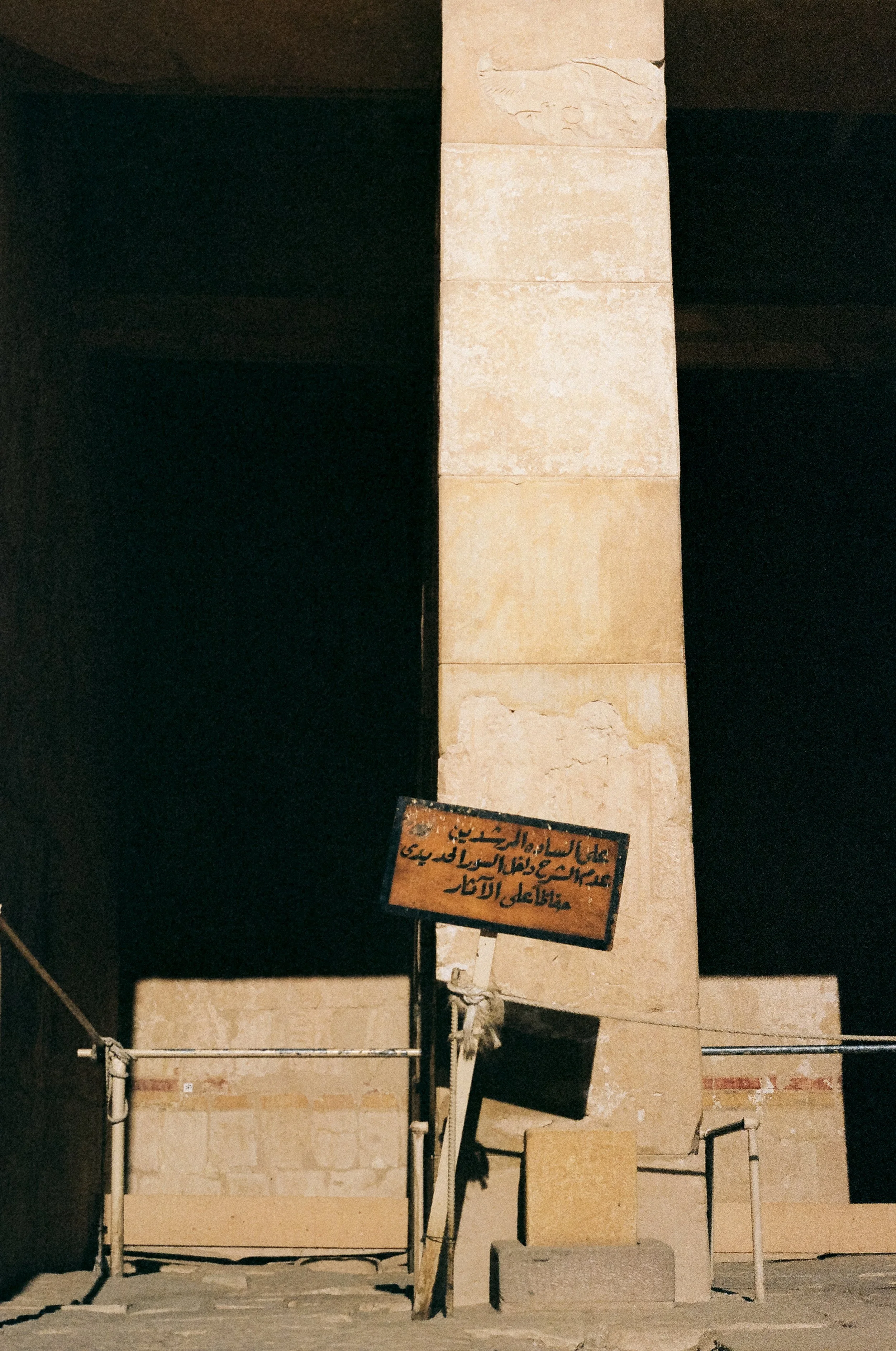
FIG. 16 — Deir el-Bahari
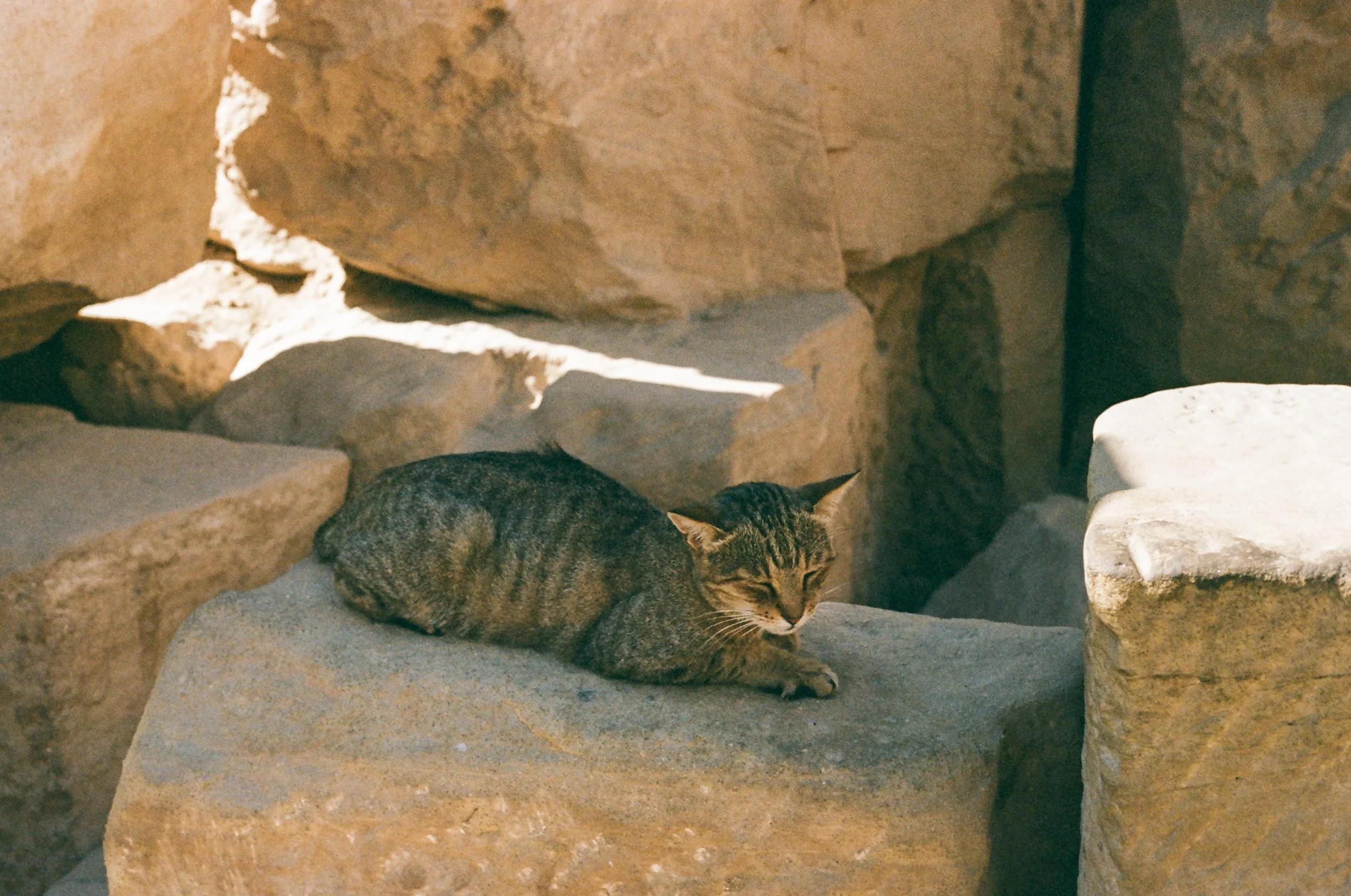
FIG. 18 — Temple cat
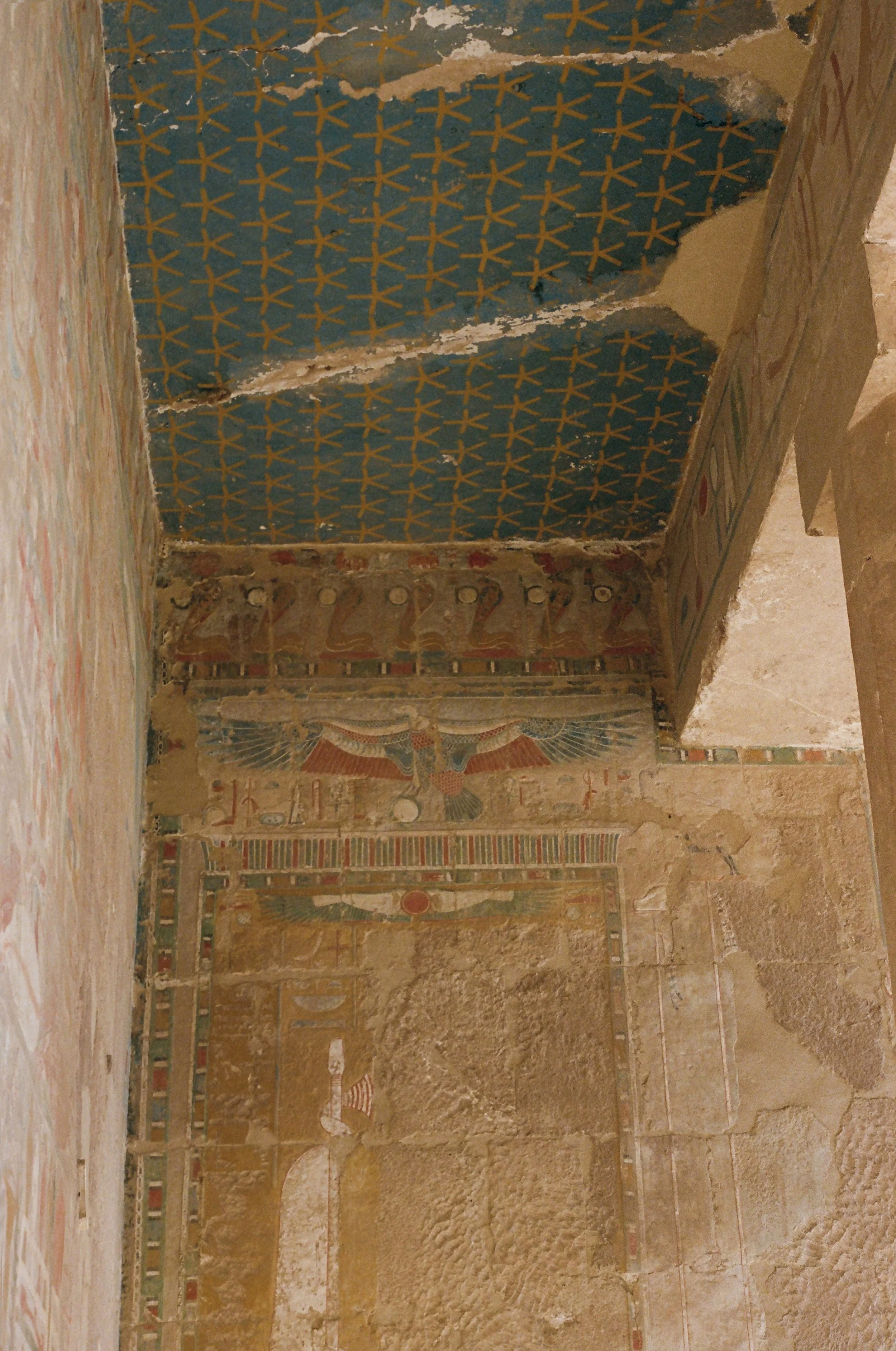
FIG. 17 — AZURE SKY AT Deir el-Bahari
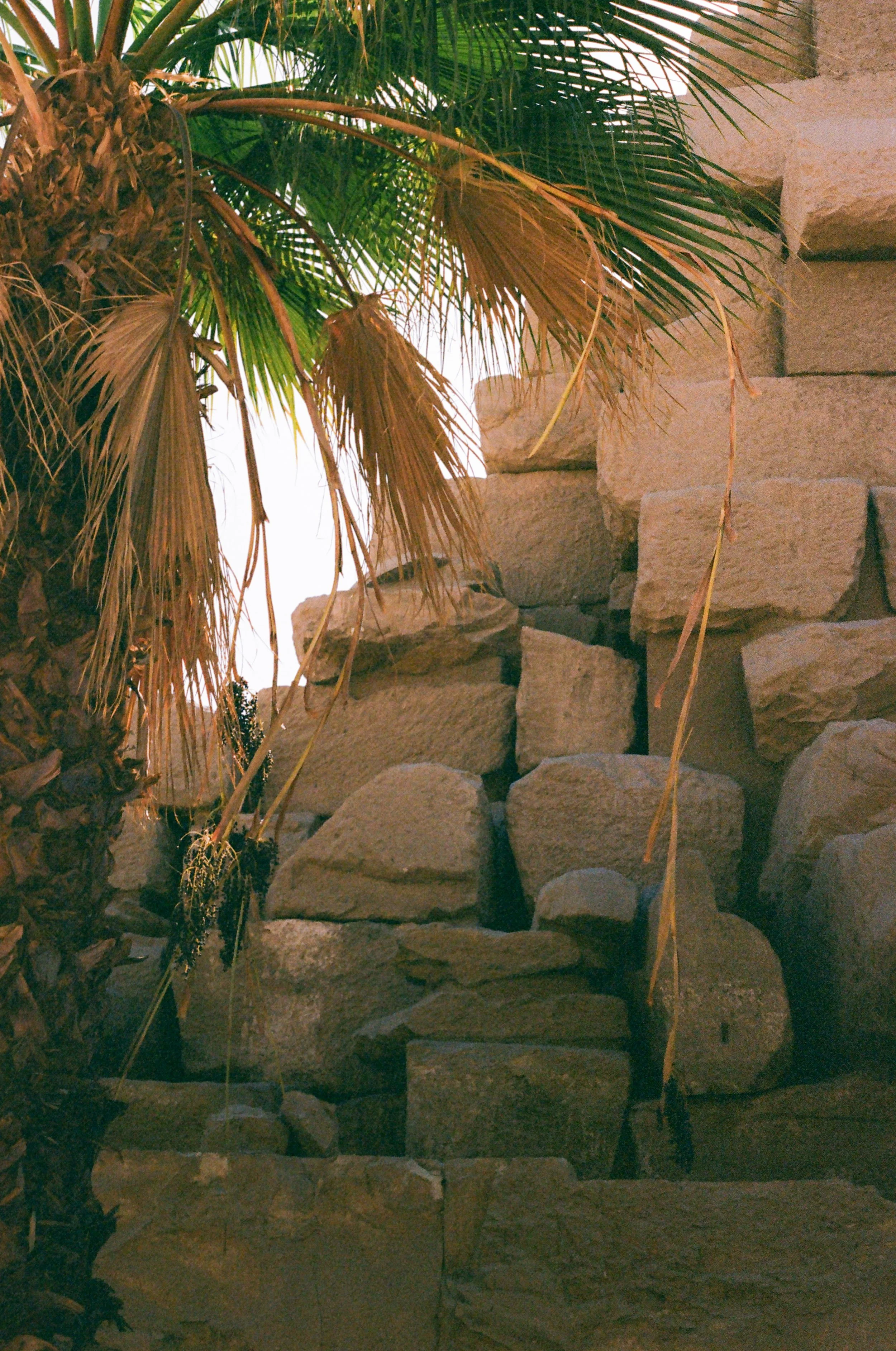
FIG. 19 — Palm tree beside ancient sandstone blocks at Karnak Temple in Luxor

FIG. 20 — Two men sitting at Luxor Temple, near a statue of Ramesses II
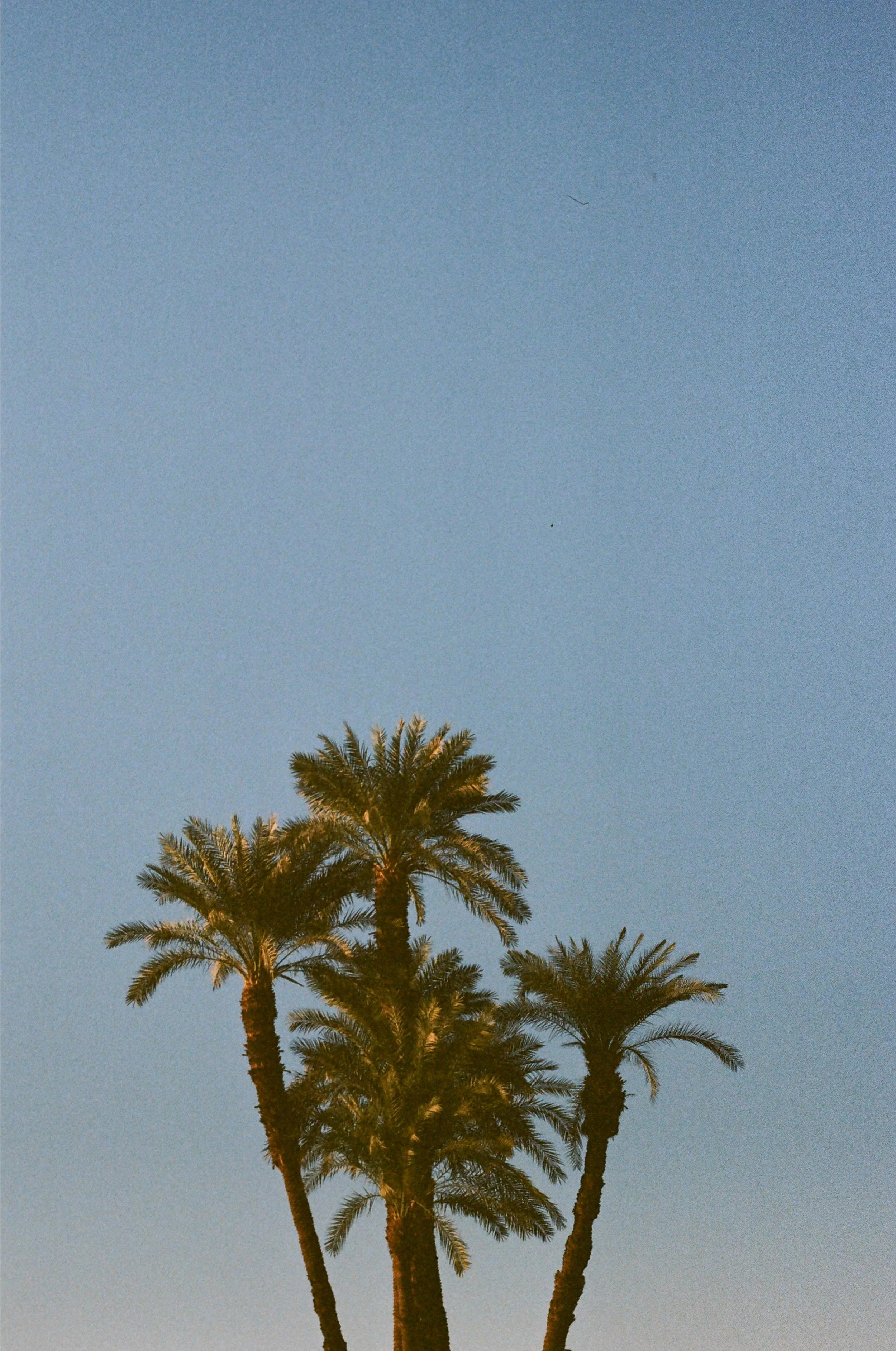
FIG. 21 — Golden Hour Palms
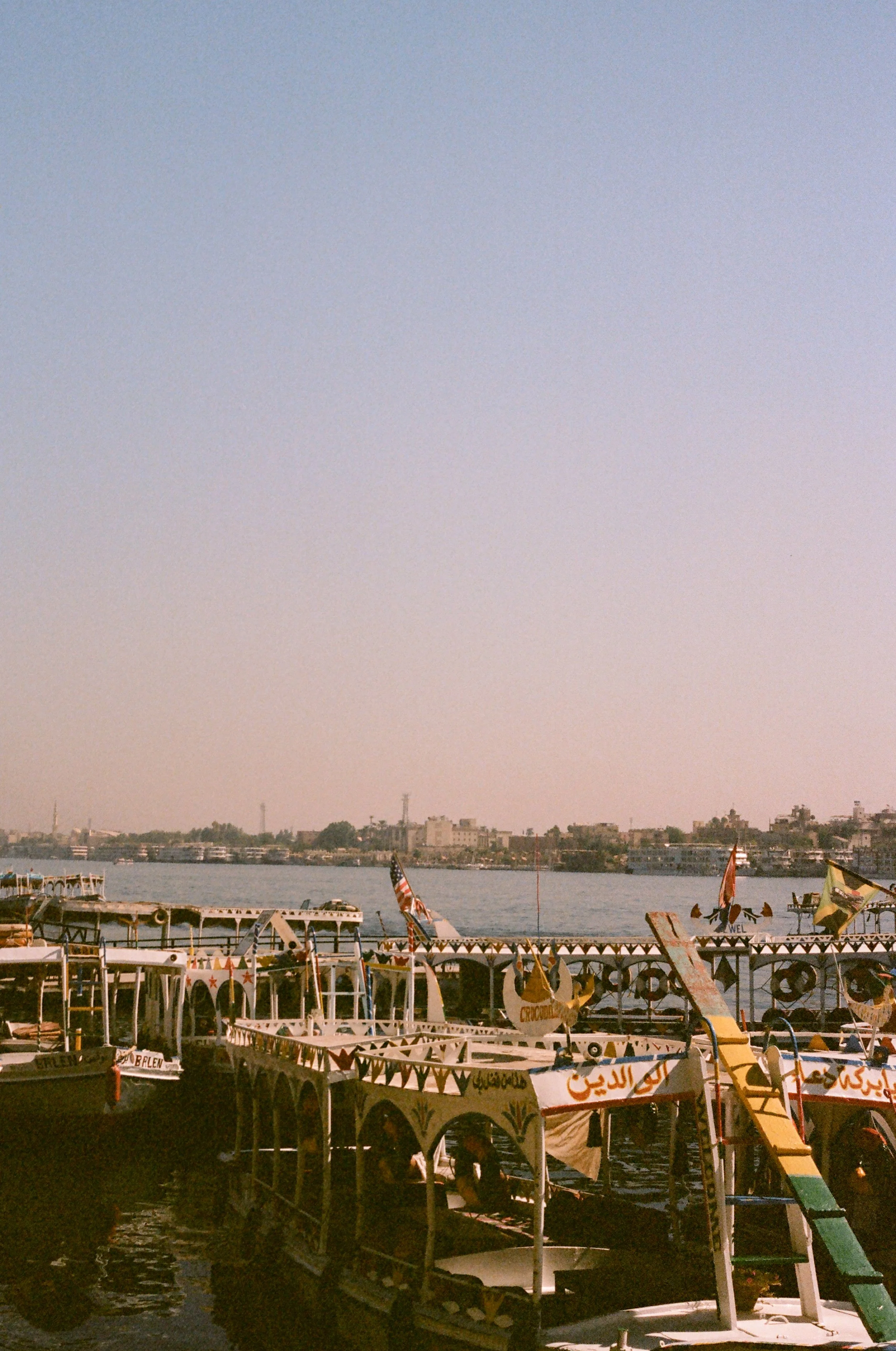
FIG. 22 — nile river boats, luxor
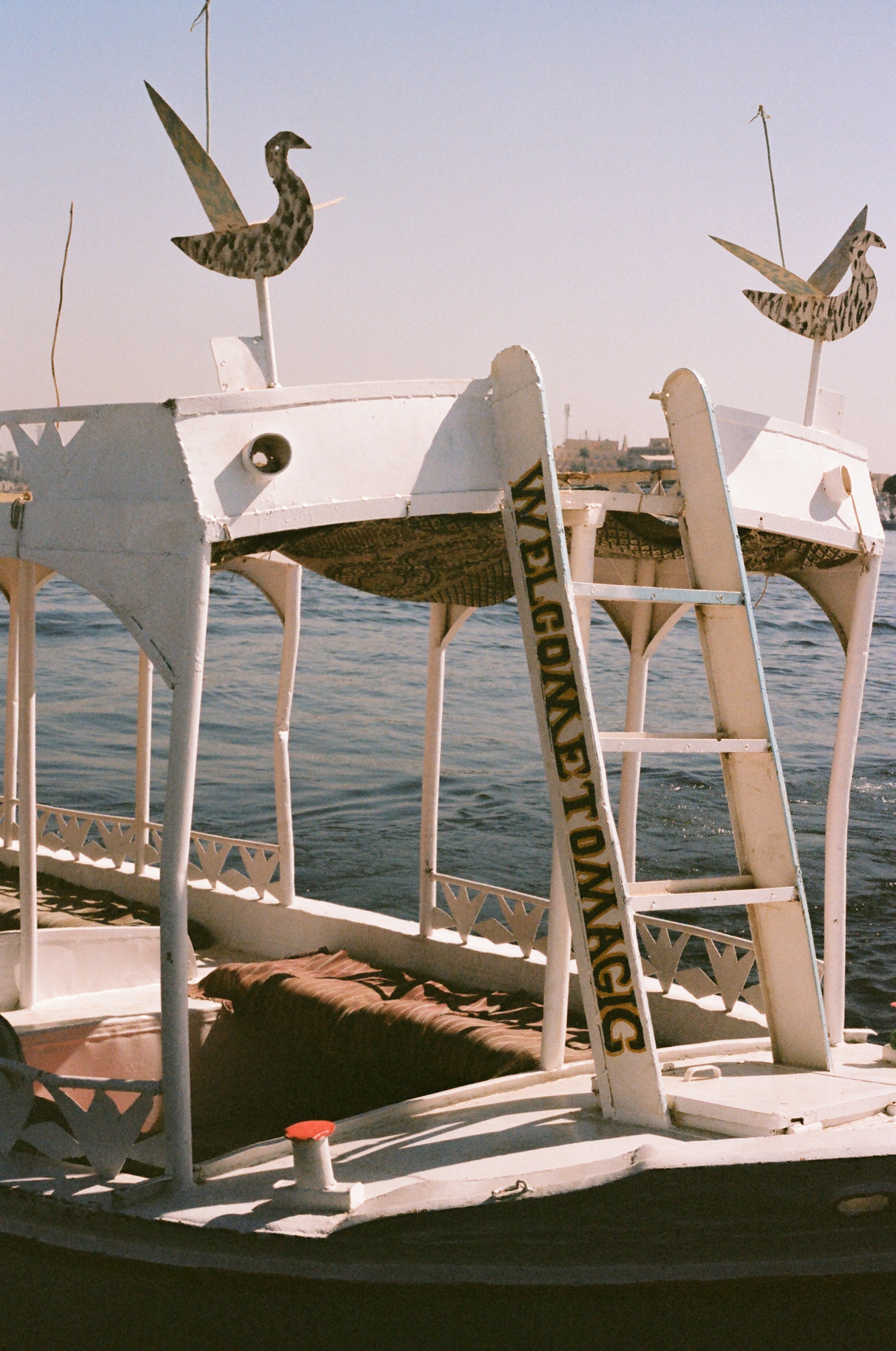
FIG. 23 — A traditional felucca “welcome to magic”
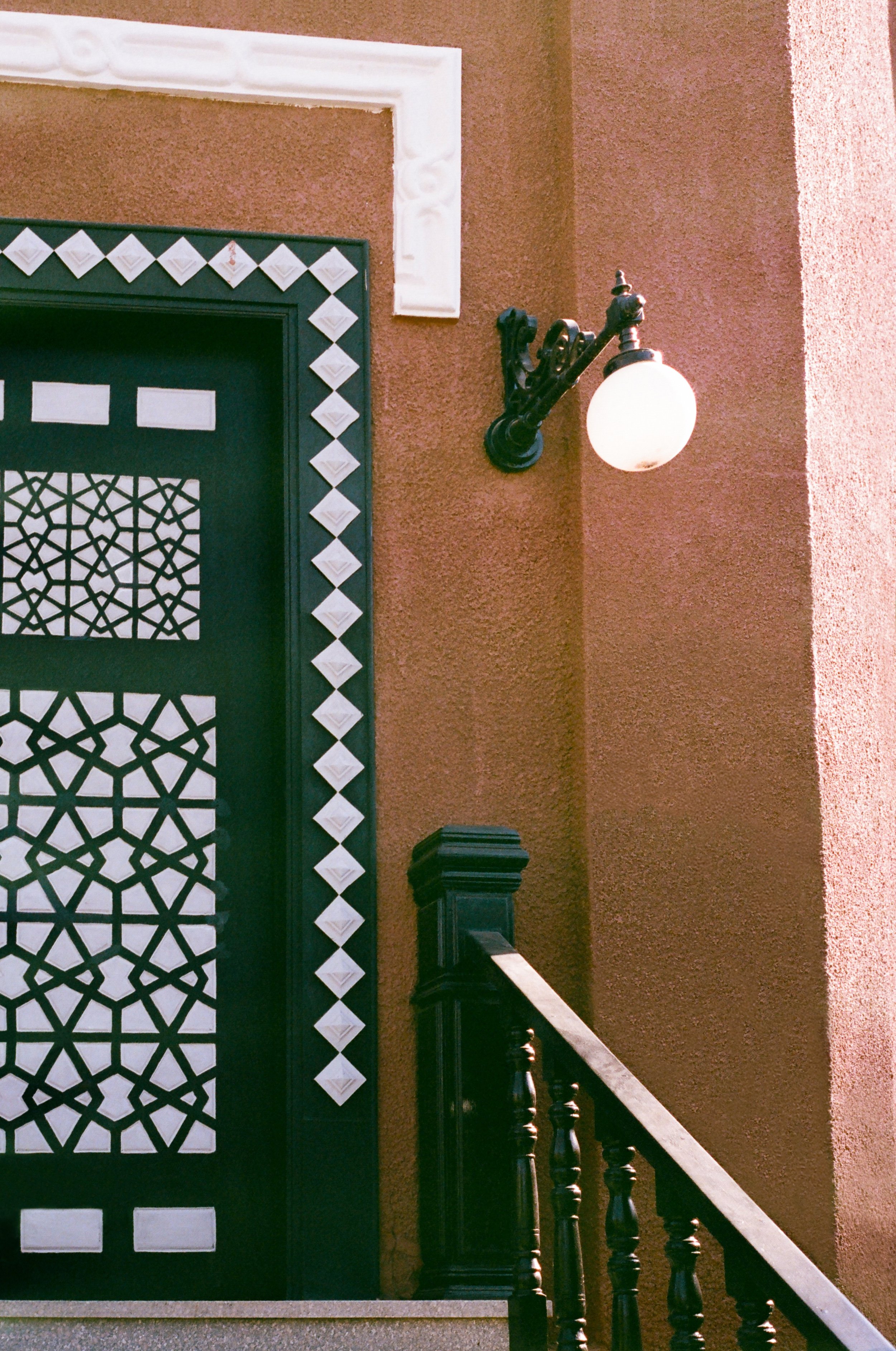
FIG. 24 — the old cataract hotel, aswan, where agatha christie wrote her classic murder mystery, “death on the nile” (Unfortunate light leak)
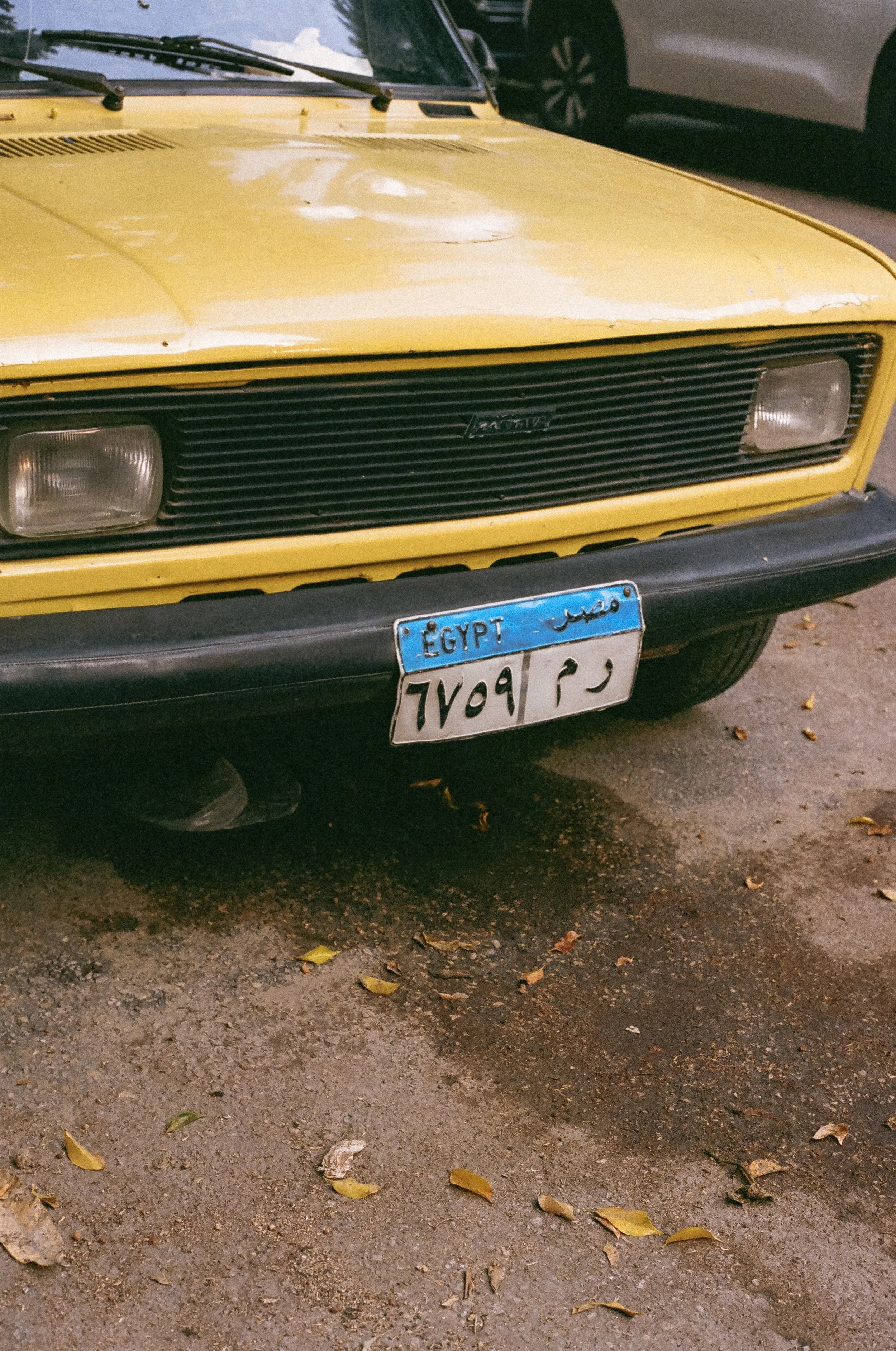
FIG. 25 — On the streets of Cairo
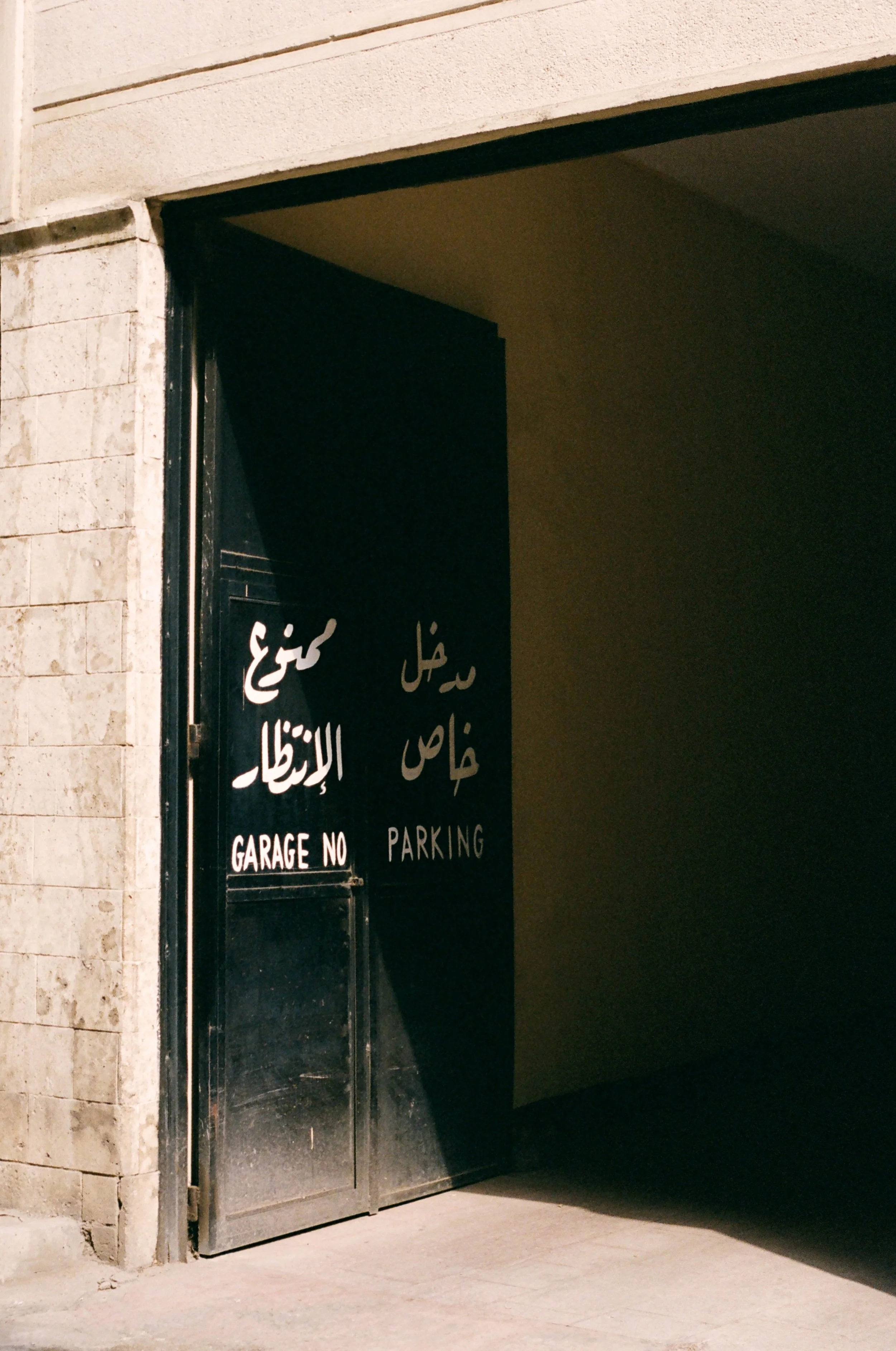
FIG. 26 — zamalek, cairo
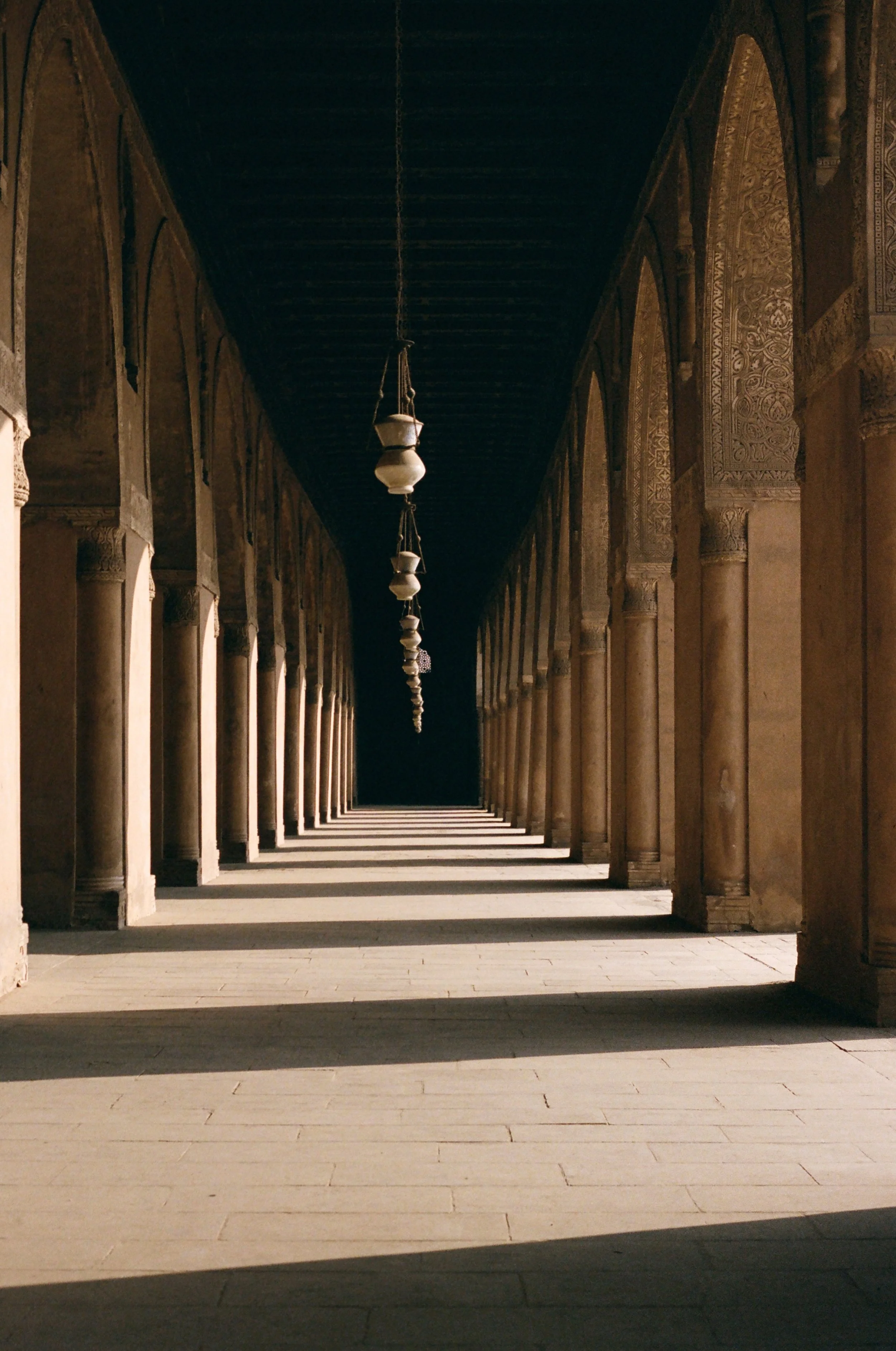
FIG. 27 — the oldest well-preserved mosque in Egypt, Ibn Tulun, Built between 876 and 879 by its namesake, Ahmad ibn Tulun, cairo
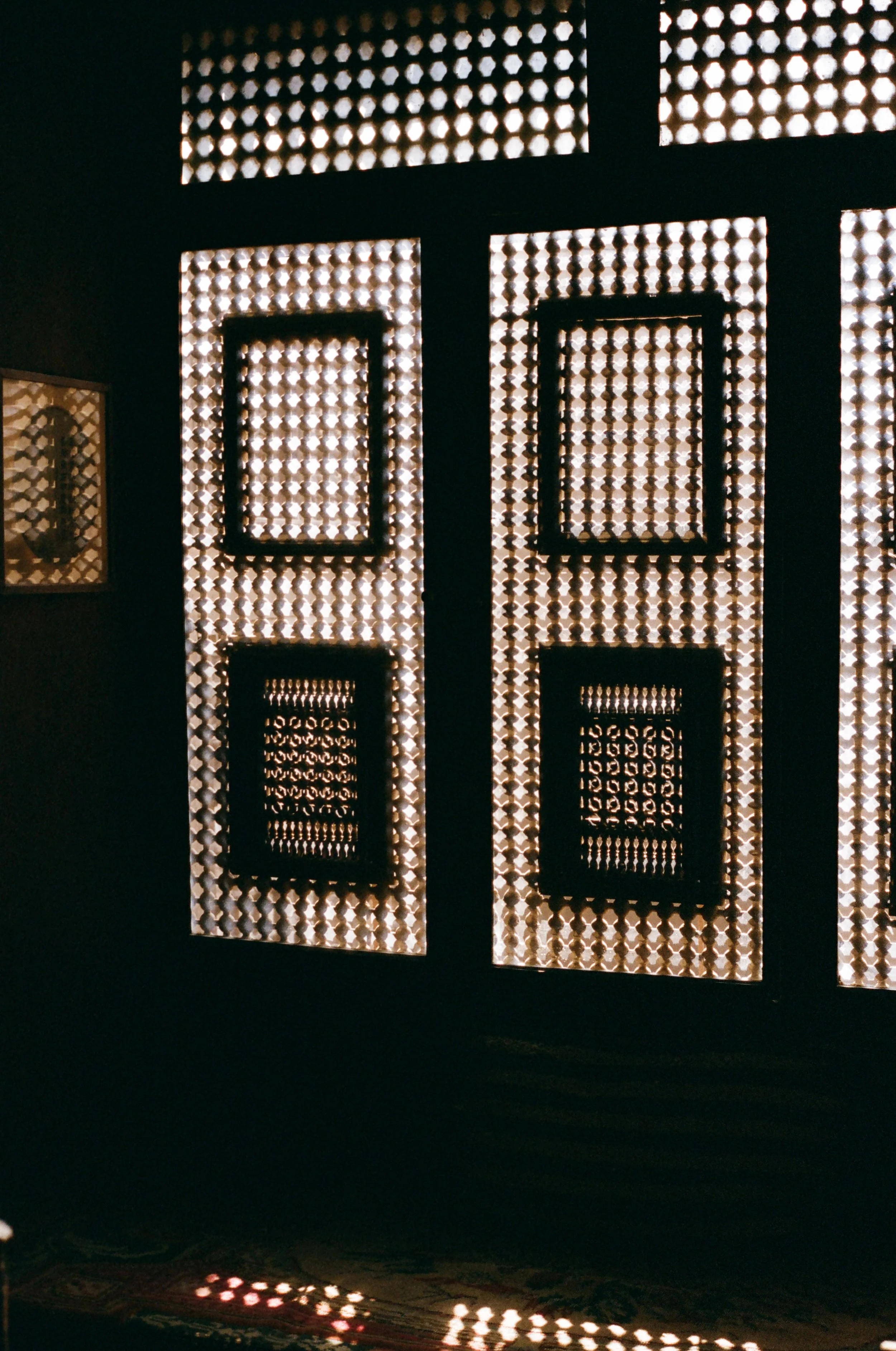
FIG. 28 — Gayer-Anderson Museum, cairo
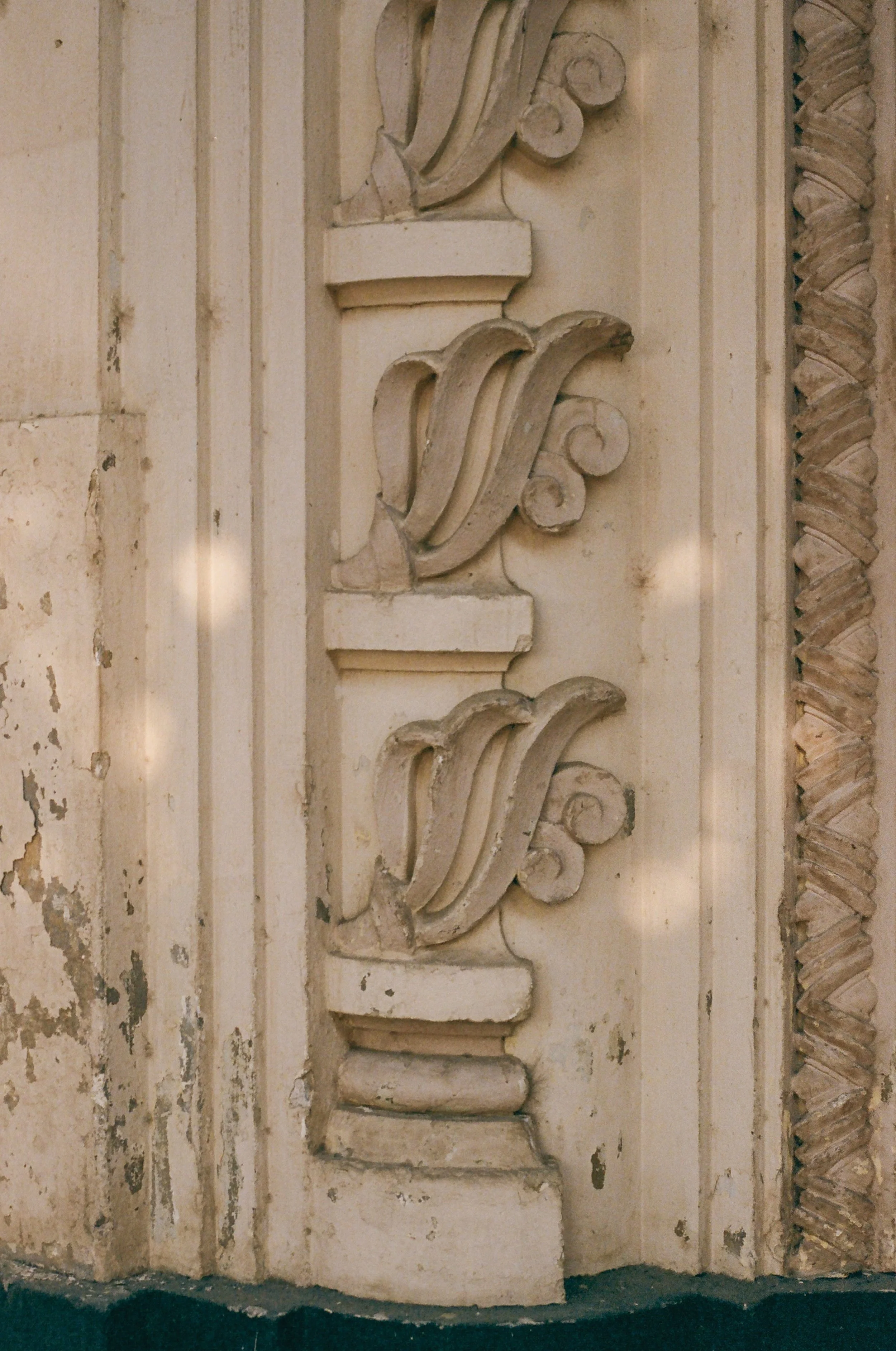
FIG. 29 — Garden City neighborhood, CAIRO
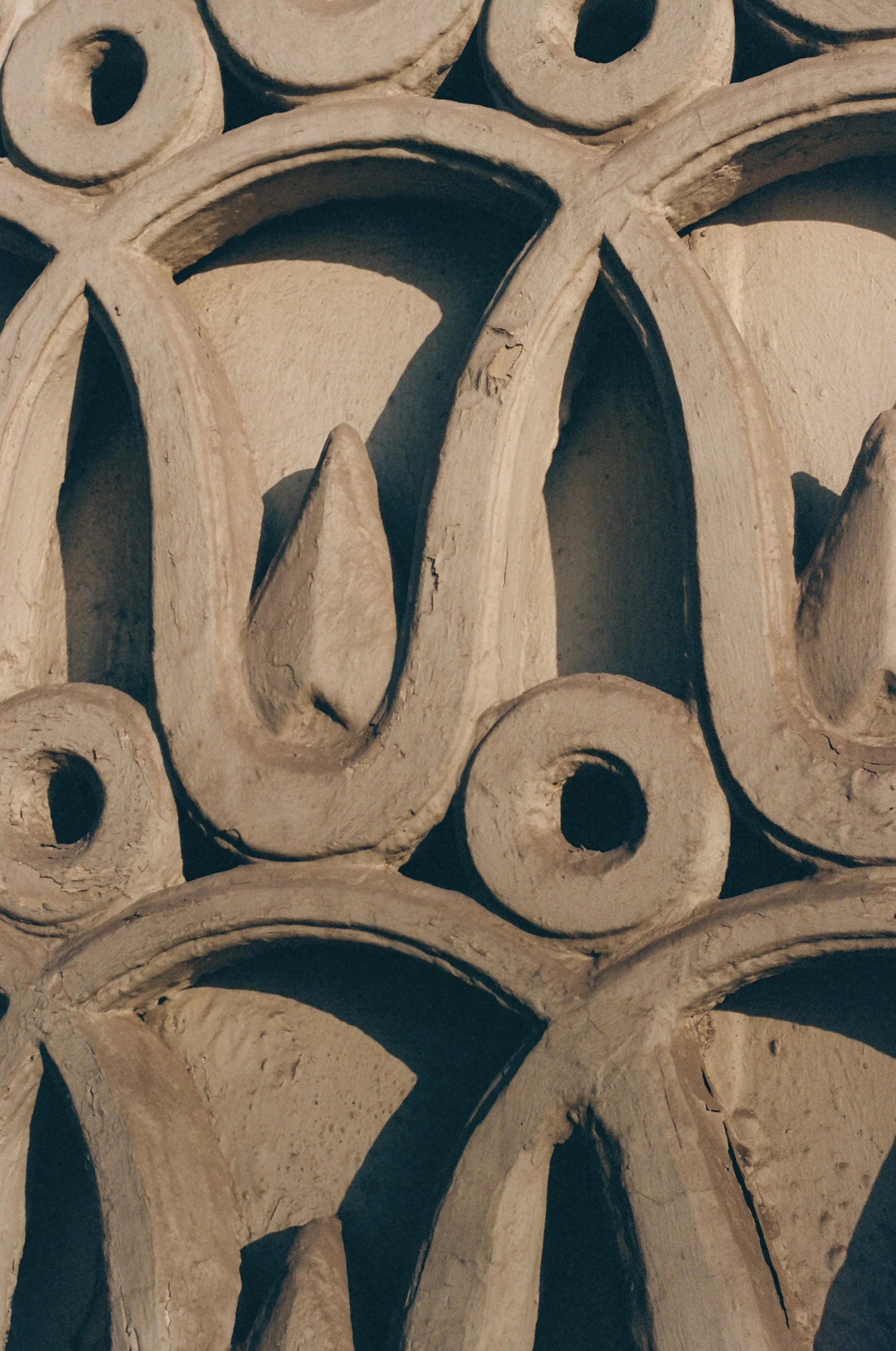
FIG. 30 — DETAILS of Garden City neighborhood, CAIRO
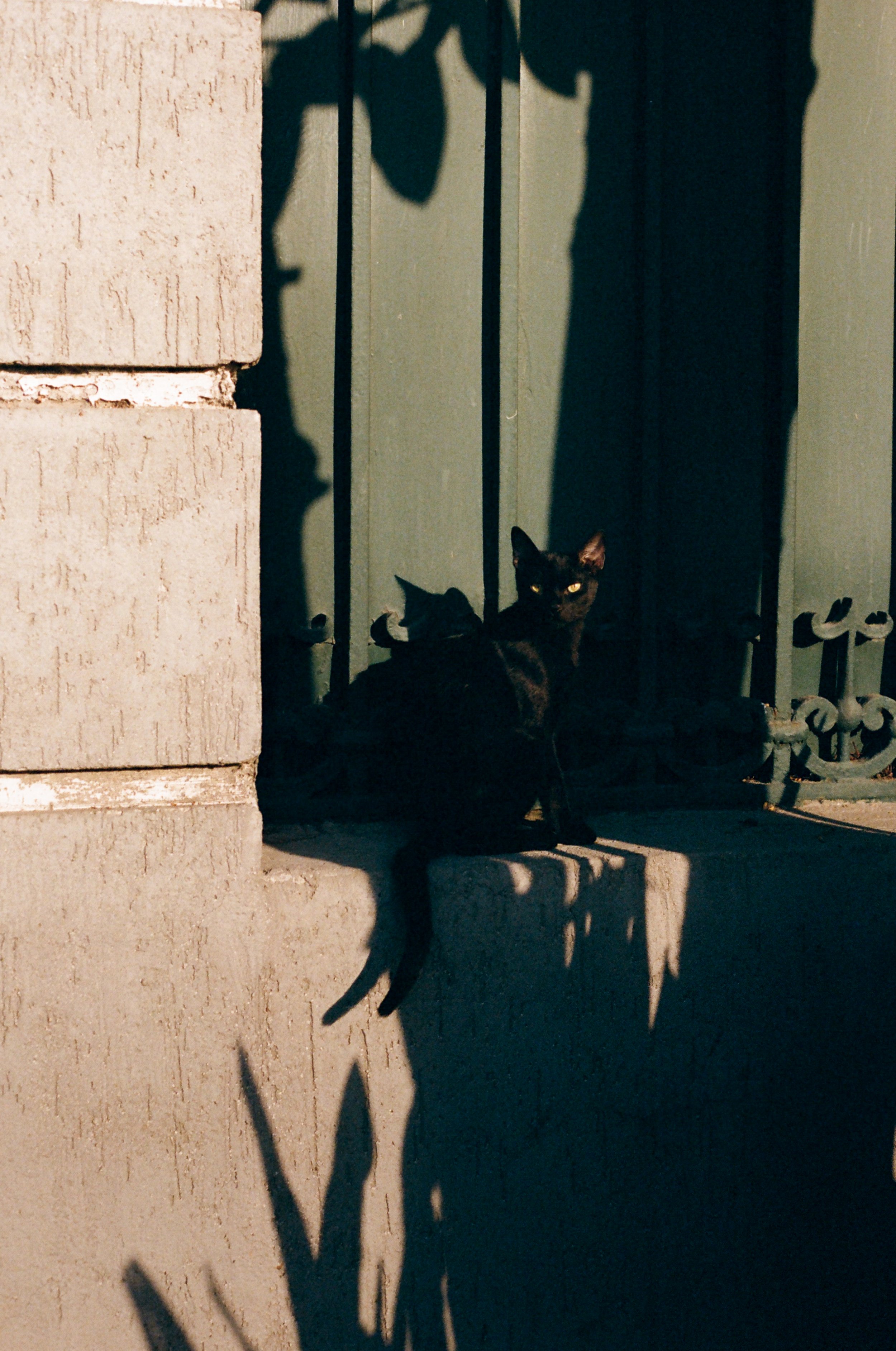
FIG. 31 — sacred creatures