
C.V. Visits — Postcards from Jordan

FIG. 1 — near the bank of the Jordan river
In the fall of 2024, I stopped in Jordan before continuing on to Egypt. It’s a country rich with kind people, deep history, and breathtaking natural beauty. When I travel, I collect and store my favorite feelings like an archive. When I need an escape, I return to the vivid images of the places and things that evoked them. From this trip, in addition to fresh squeezed pomegranate juice and palms filled with dates, I’ll be filing these:
Petra
FIG. 6-8 — Like anything you've seen too many photos of before experiencing it in person, the potential for disappointment runs high. But Petra was not one of those places. There’s a reason it’s considered one of the New Seven Wonders of the World. Turning a bend and watching the iconic facade of the Al-Khazneh Treasury slowly reveal itself between towering boulders felt like uncovering a secret, which it was until its rediscovery in 1812. Carved into rose-hued stone by the Nabateans more than 2,000 years ago, this ancient city once bustled as a major trade nexus between East and West. Hidden for generations by the surrounding cliffs and known only to local Bedouins, Petra was introduced to the West by Swiss explorer Johann Ludwig Burckhardt, who had heard whispers of a lost city and set out to find it. Petra reached a new crescendo of global fascination after appearing in 1989’s Indiana Jones and the Last Crusade. Its remarkably preserved structures were protected for ages by the very terrain that concealed them, making the site feel almost untouched by time. The precision of its carvings and the modernity of its design left me marveling at how such pristine beauty could have been created so long ago. The production design of the latest Dune film was certainly inspired by Petra, where architecture is carved directly into the landscape.
Wadi Rum
FIG. 9-12 — The desert known as the Valley of the Moon feels both ancient and futuristic. Its pink sands, towering windswept sandstone formations, and wandering camels create a surreal, otherworldly scene. For centuries, the Bedouins have called this place home. As stewards of the land, they’ve lived in quiet harmony with its rhythms. This is the same desert famously traversed by T.E. Lawrence, the British officer and writer who fought alongside Arab tribes during the Arab Revolt. His time here and the legend that followed, was later immortalized in the classic film Lawrence of Arabia. I’ll never forget standing in the silence and grandeur of that vast expanse, bathed in golden light as the sun sank behind chiseled rocks. It was a rare and luxurious return to presence, a stillness only possible in total disconnection from the outside world. That feeling deepened into the night, when the dark, infinite sky revealed thousands of stars that only appear in places this remote.
Knafeh
FIG. 13 — This traditional Levantine dessert can be found all over Amman, but I had the pleasure of trying it at Habibah, a 70-year-old institution many say makes the best in the city. Served in lavish, oversized trays, knafeh is made from spun phyllo dough baked with soft, elastic cheese, then drenched in rose-scented syrup and topped with crushed pistachios. The gooey warmth of the filling, balanced by the crisp golden pastry, creates a textural contrast that’s both comforting and addictive.
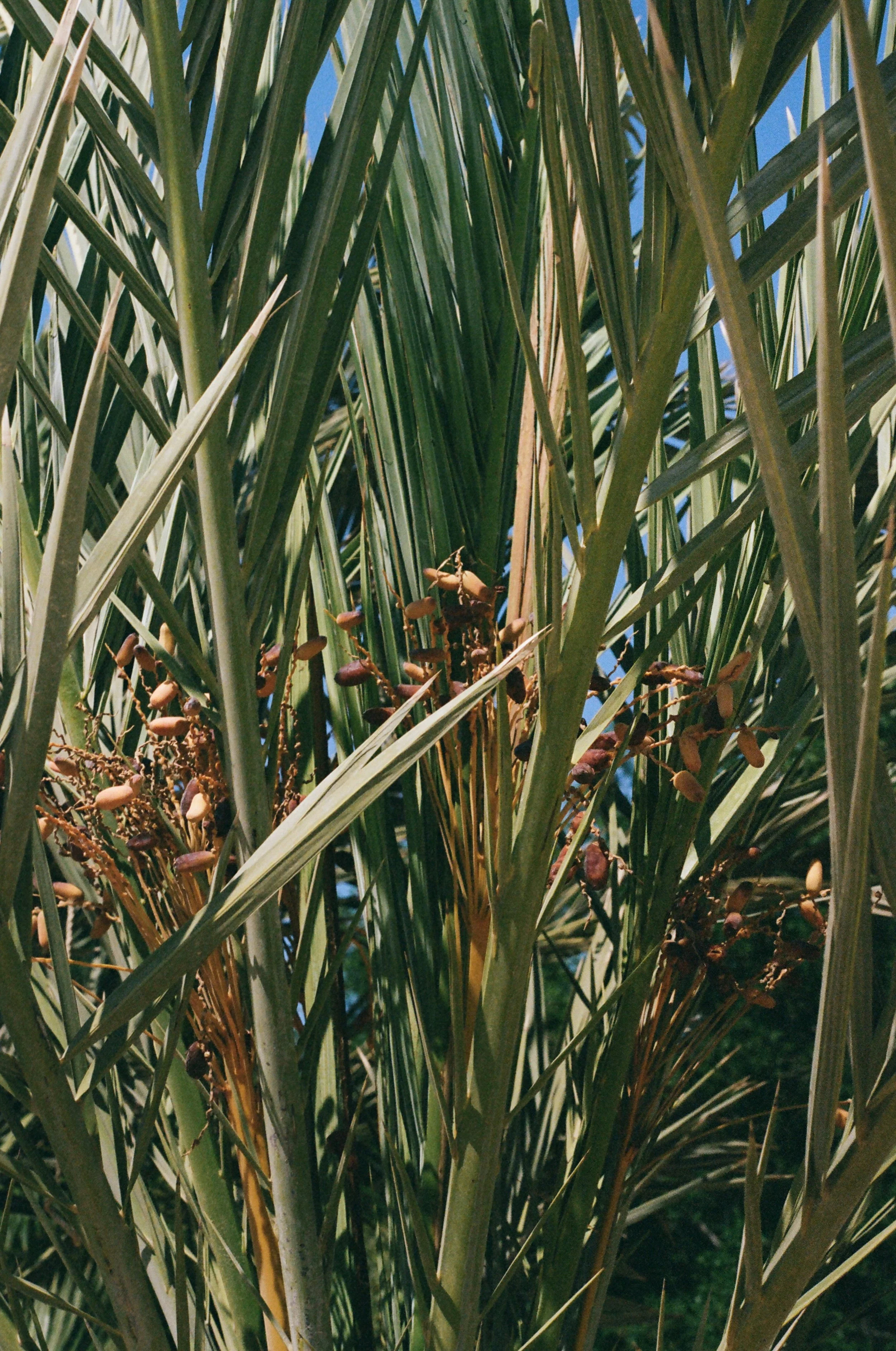
FIG. 2 — DATE TREES

Fig. 3 — The Dead SEA
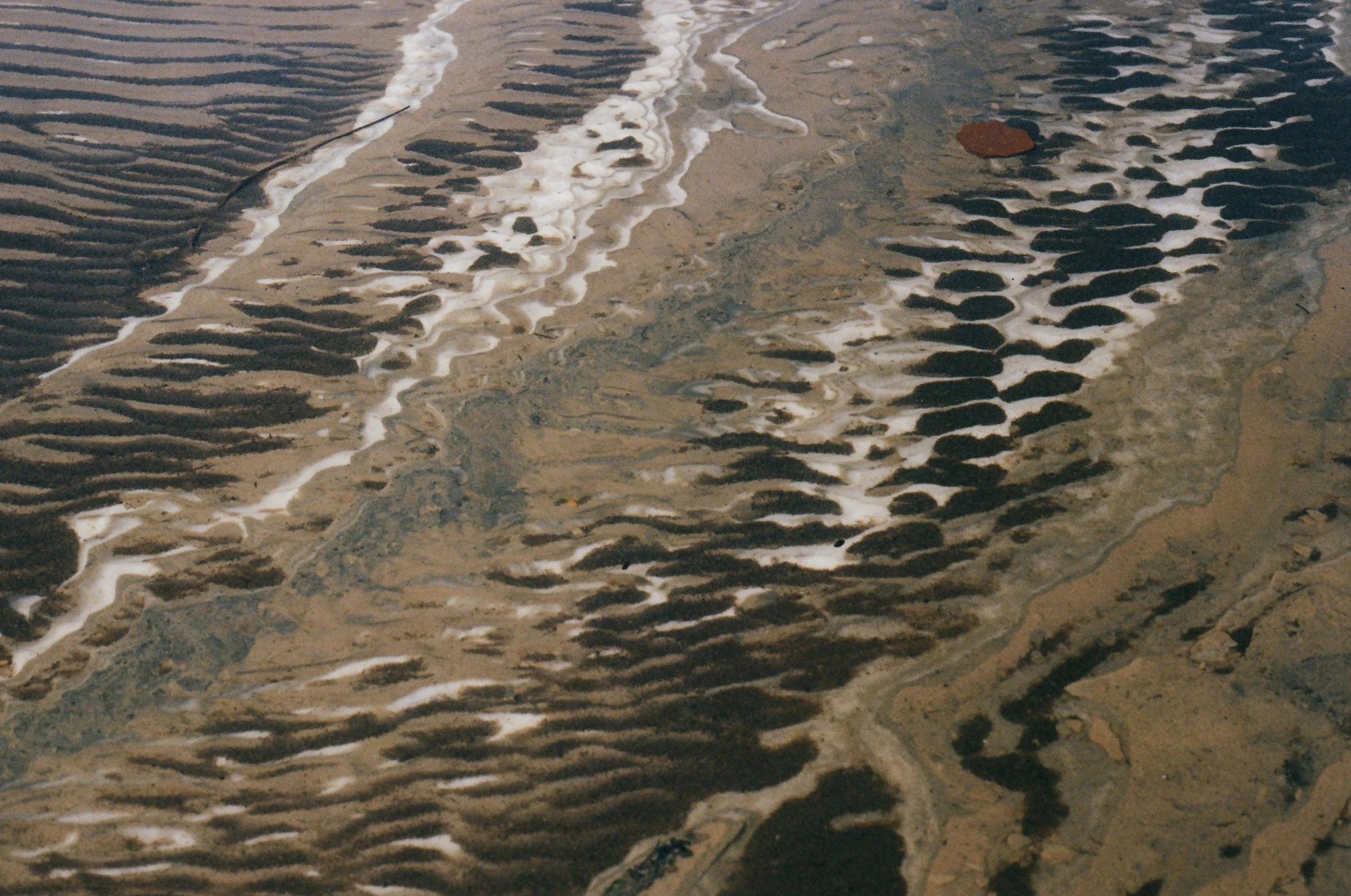
Fig. 4 — 53% magnesium, 37% potassium, 8% sodium
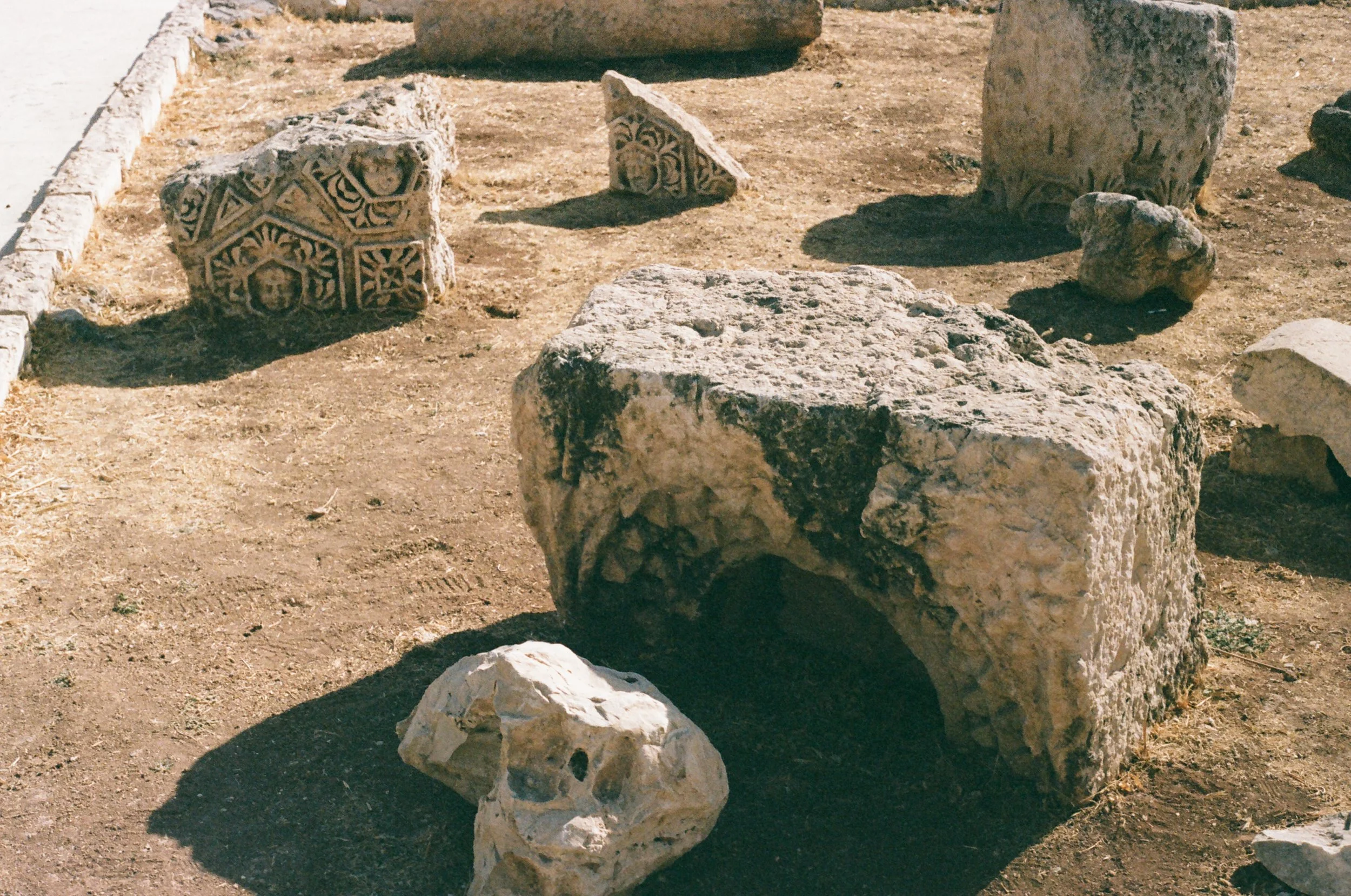
FIG. 5 — Ruins in Amman
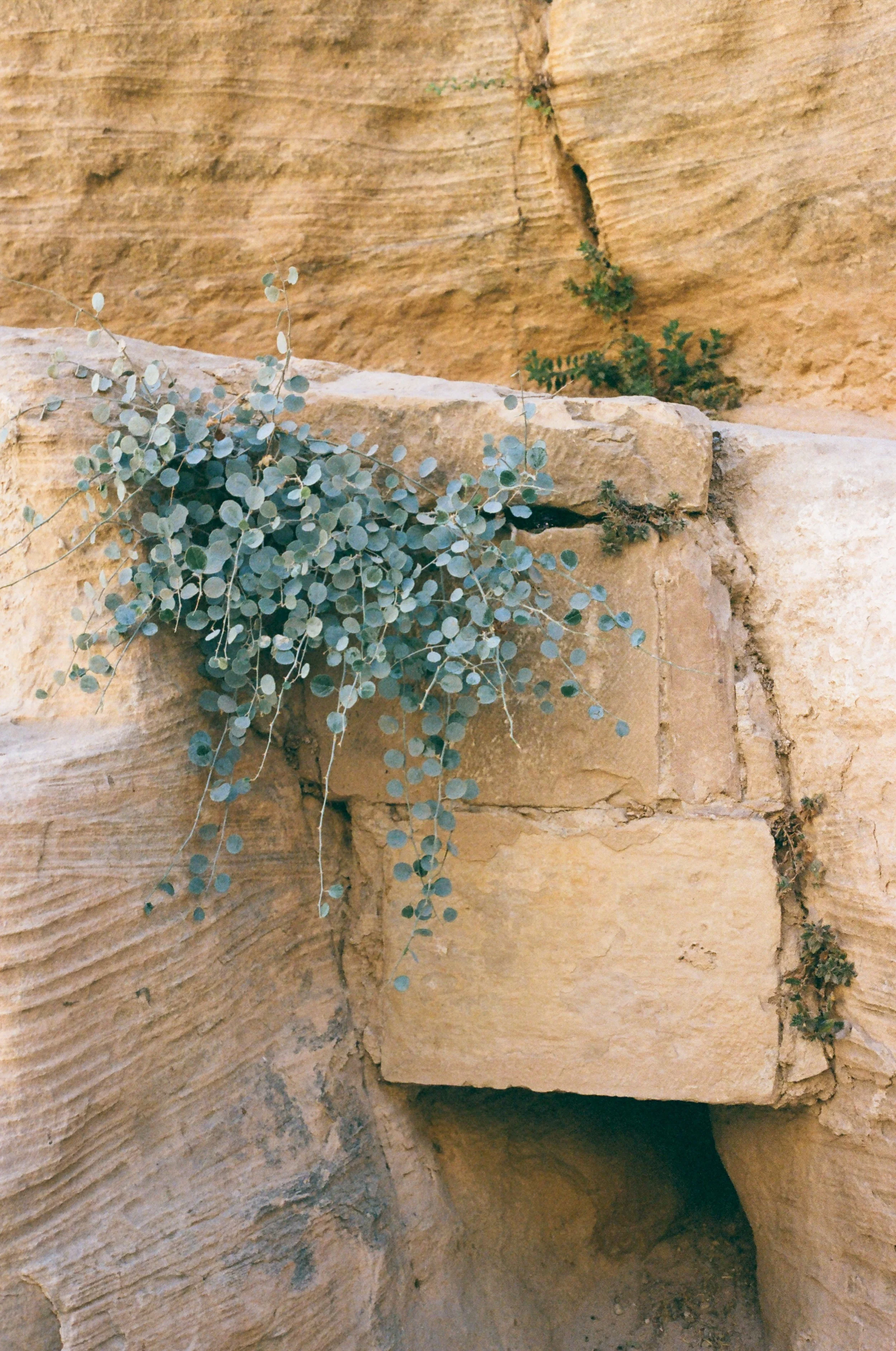
Fig. 6 & 7 — PETRA
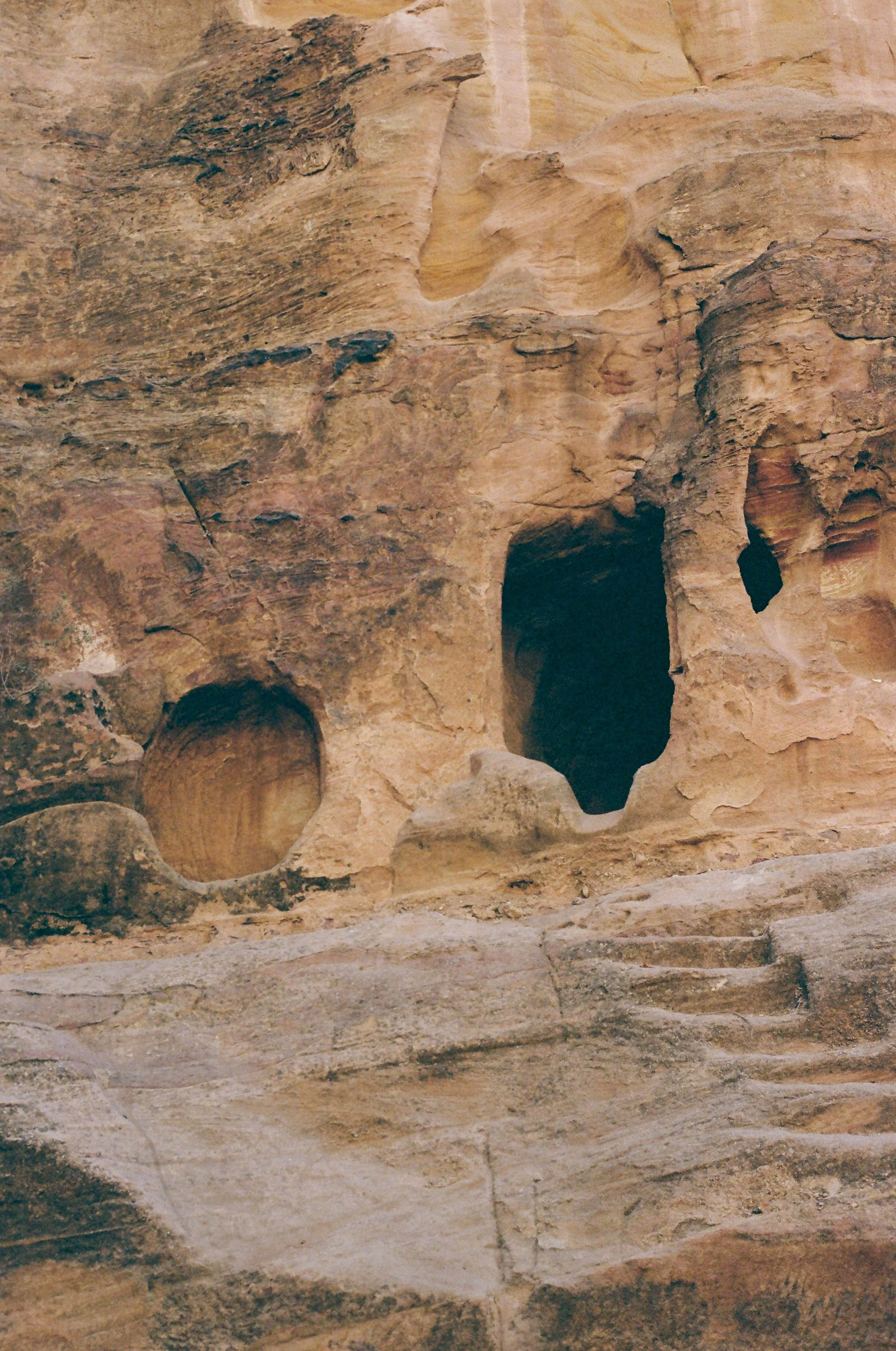
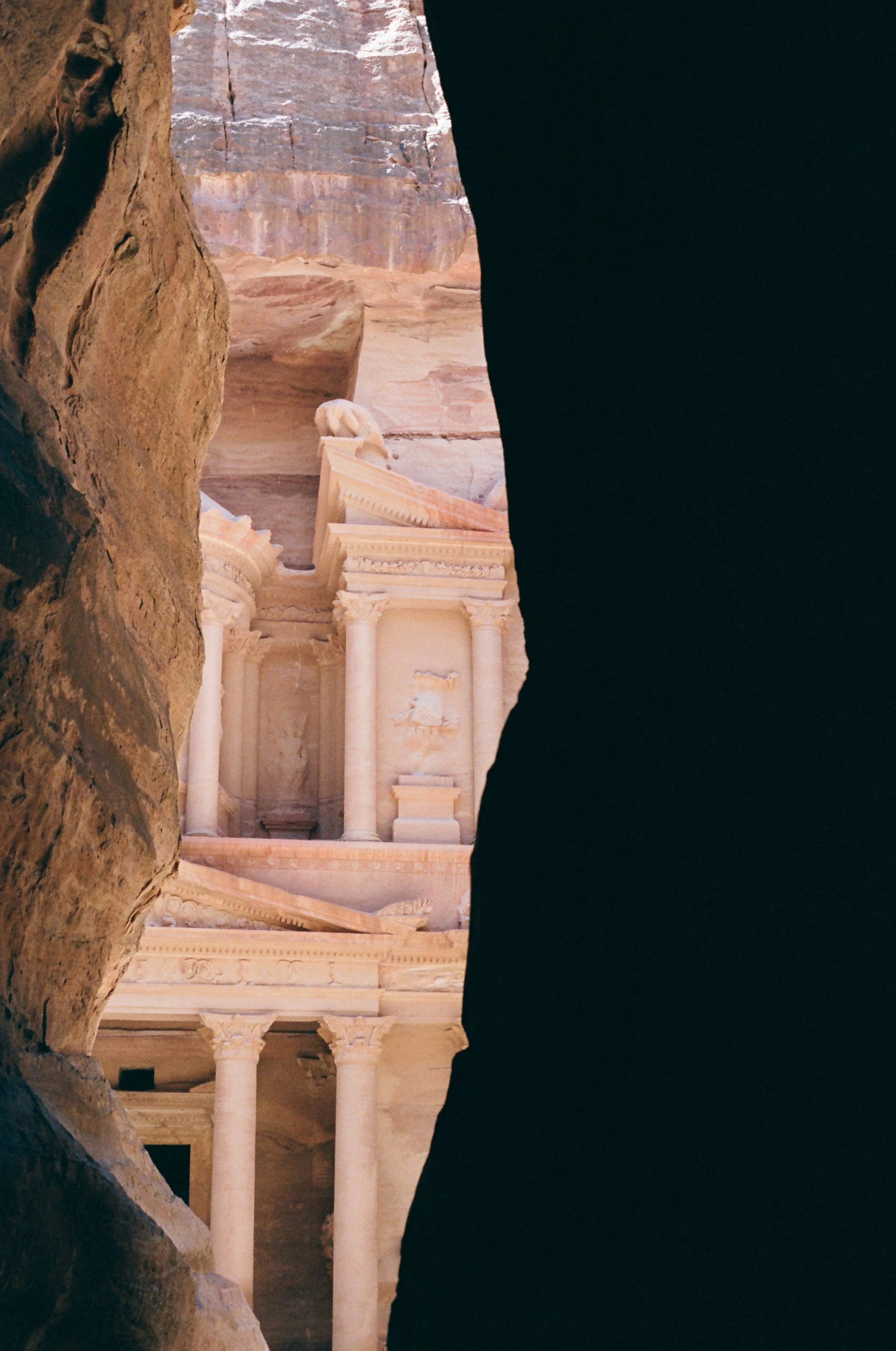
FIG. 8 — Al-Khazneh, The Treasury of Petra
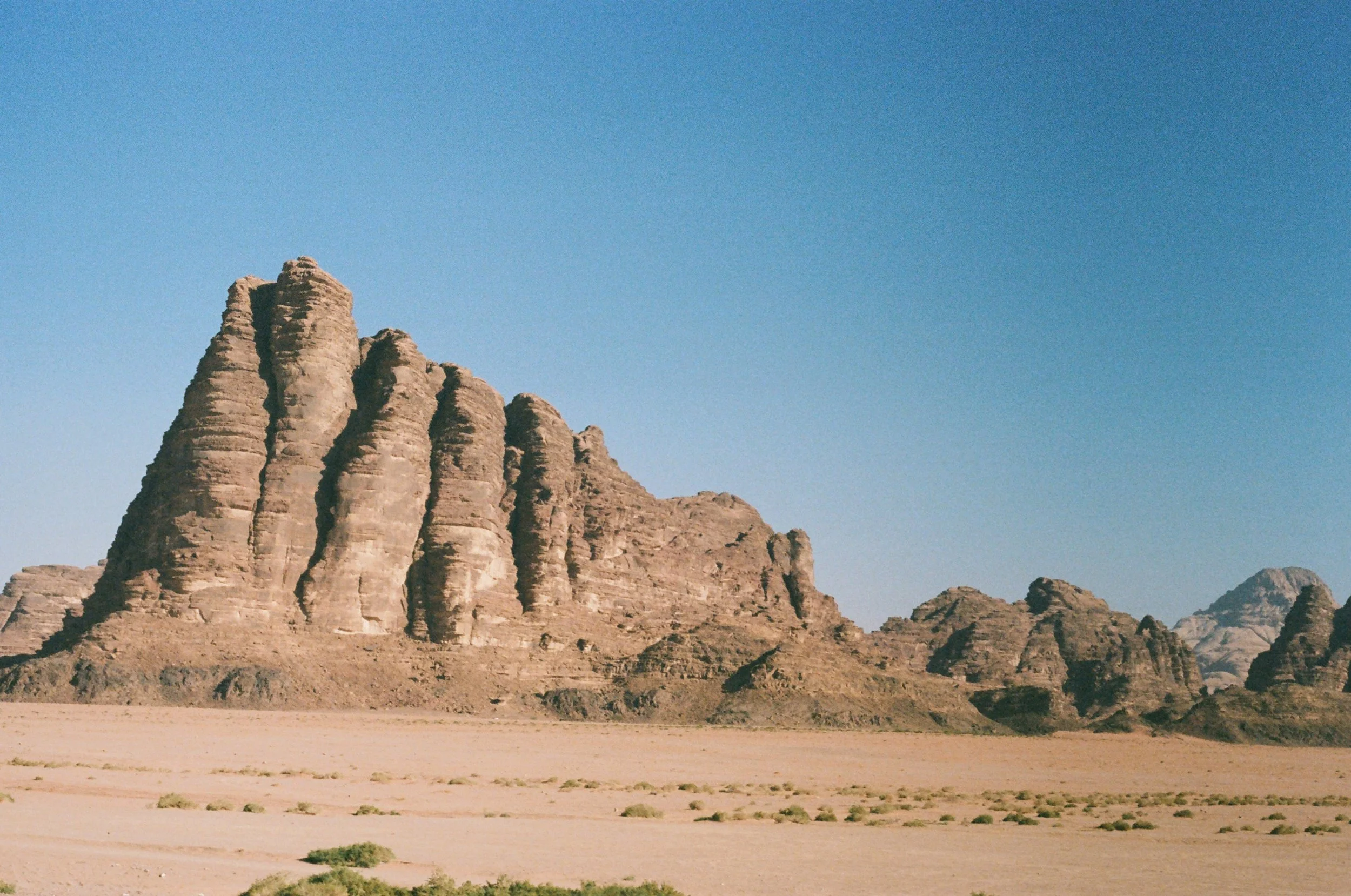
FIG. 9 — Wadi rum “The Valley of the Moon”
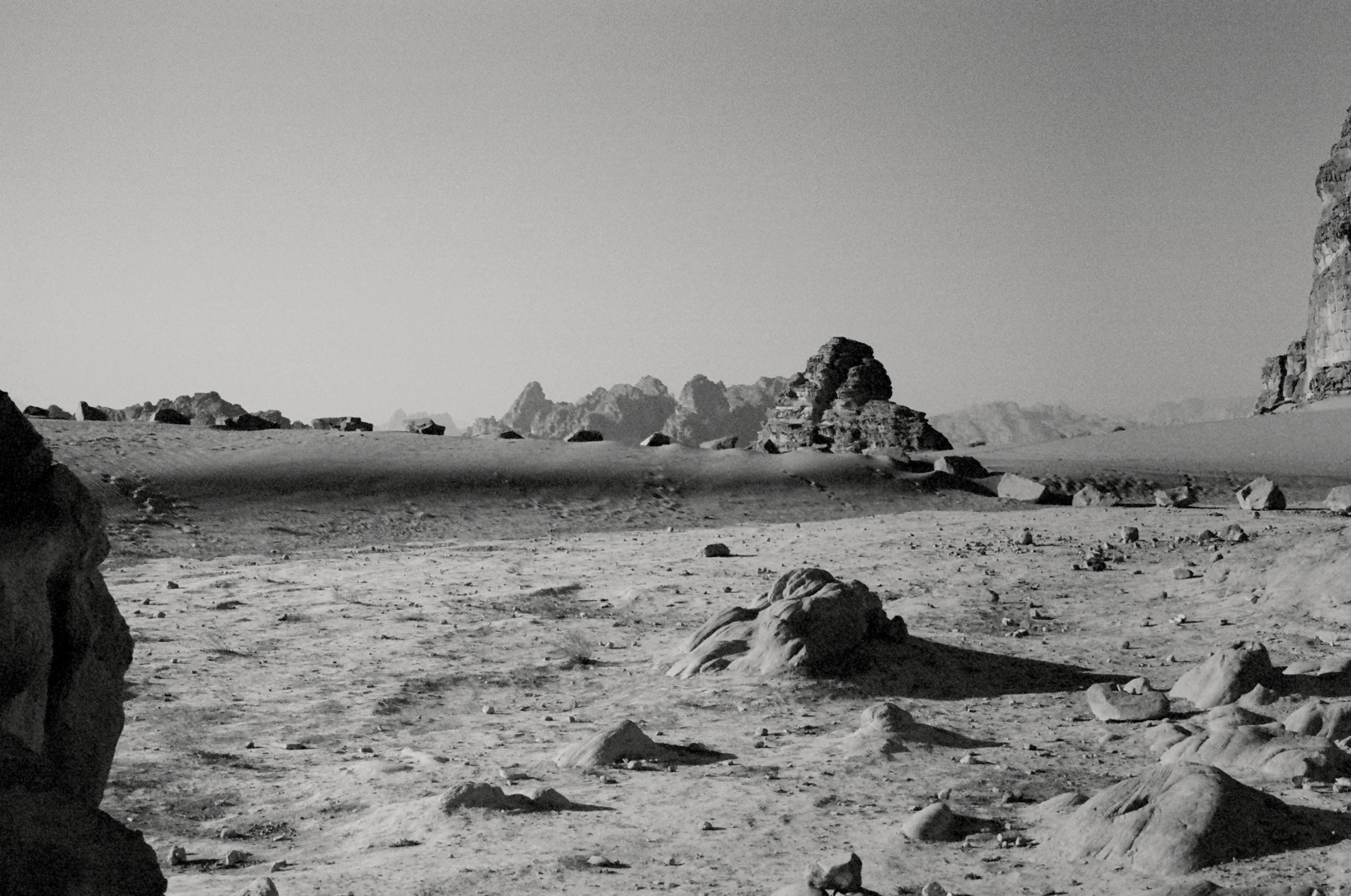
FIG. 10 — Wadi rum “The Valley of the Moon”
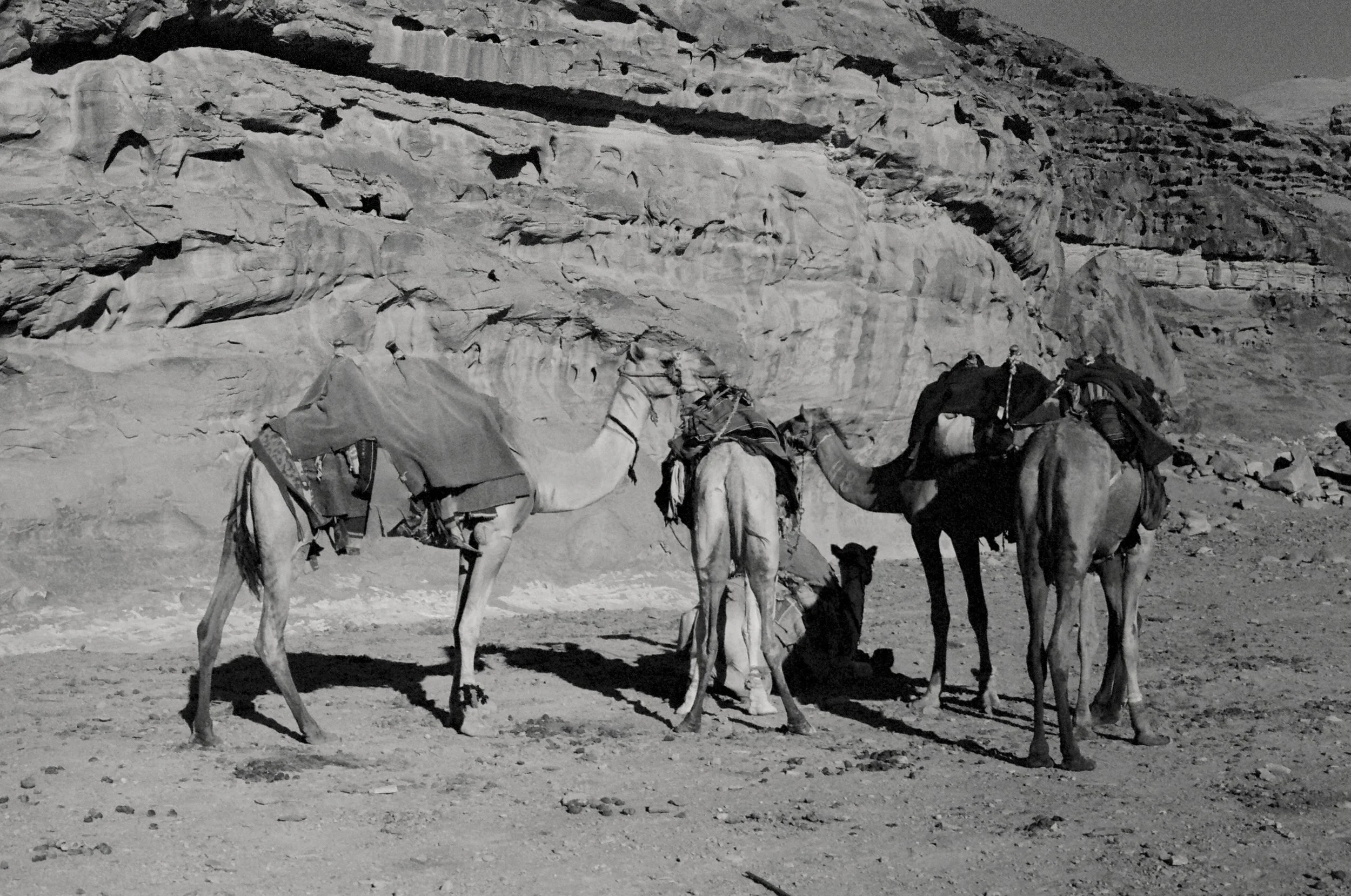
FIG. 11 — Camels in Wadi Rum
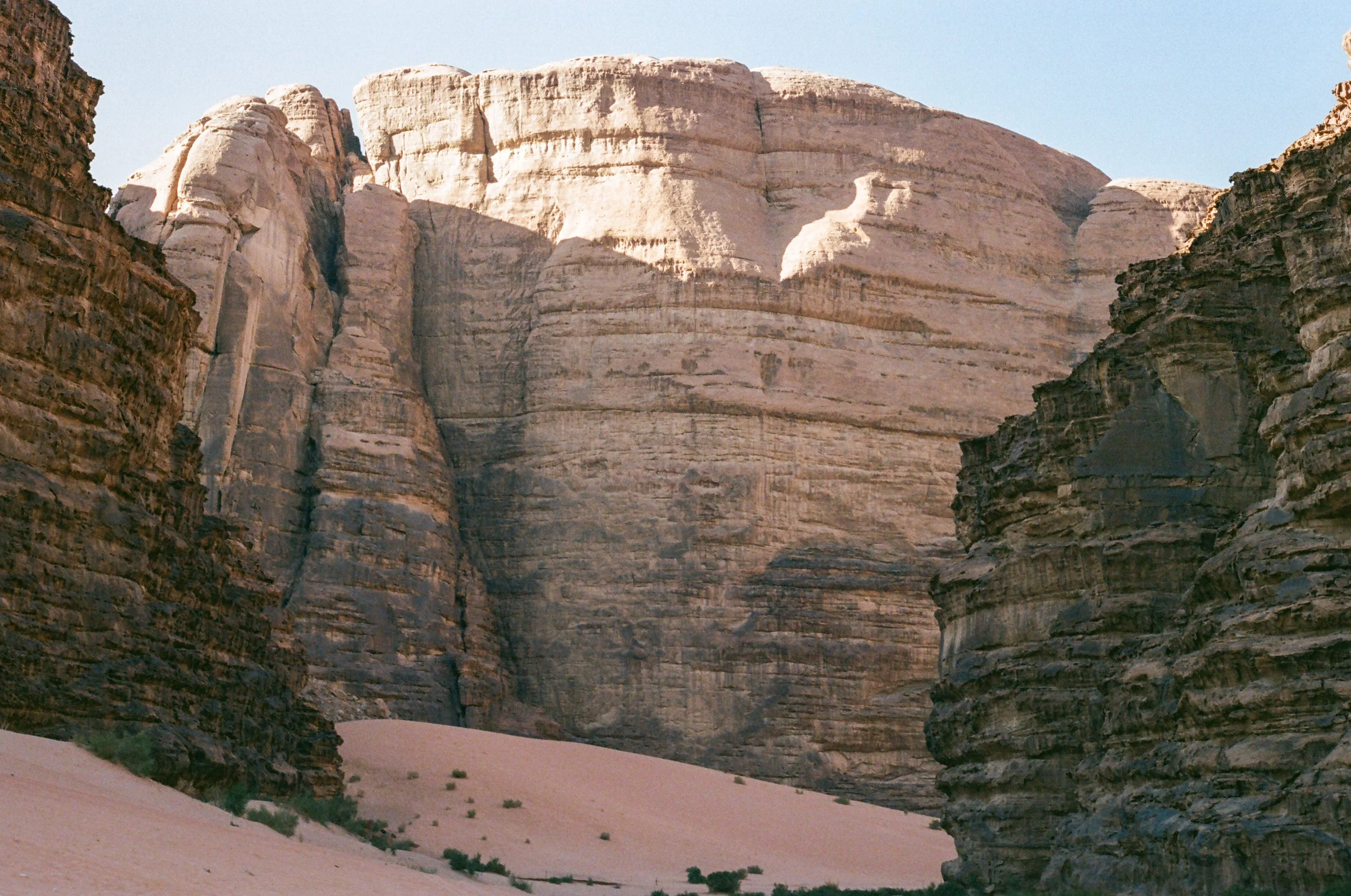
FIG. 12 — Sandstone formations, pink sands, golden light
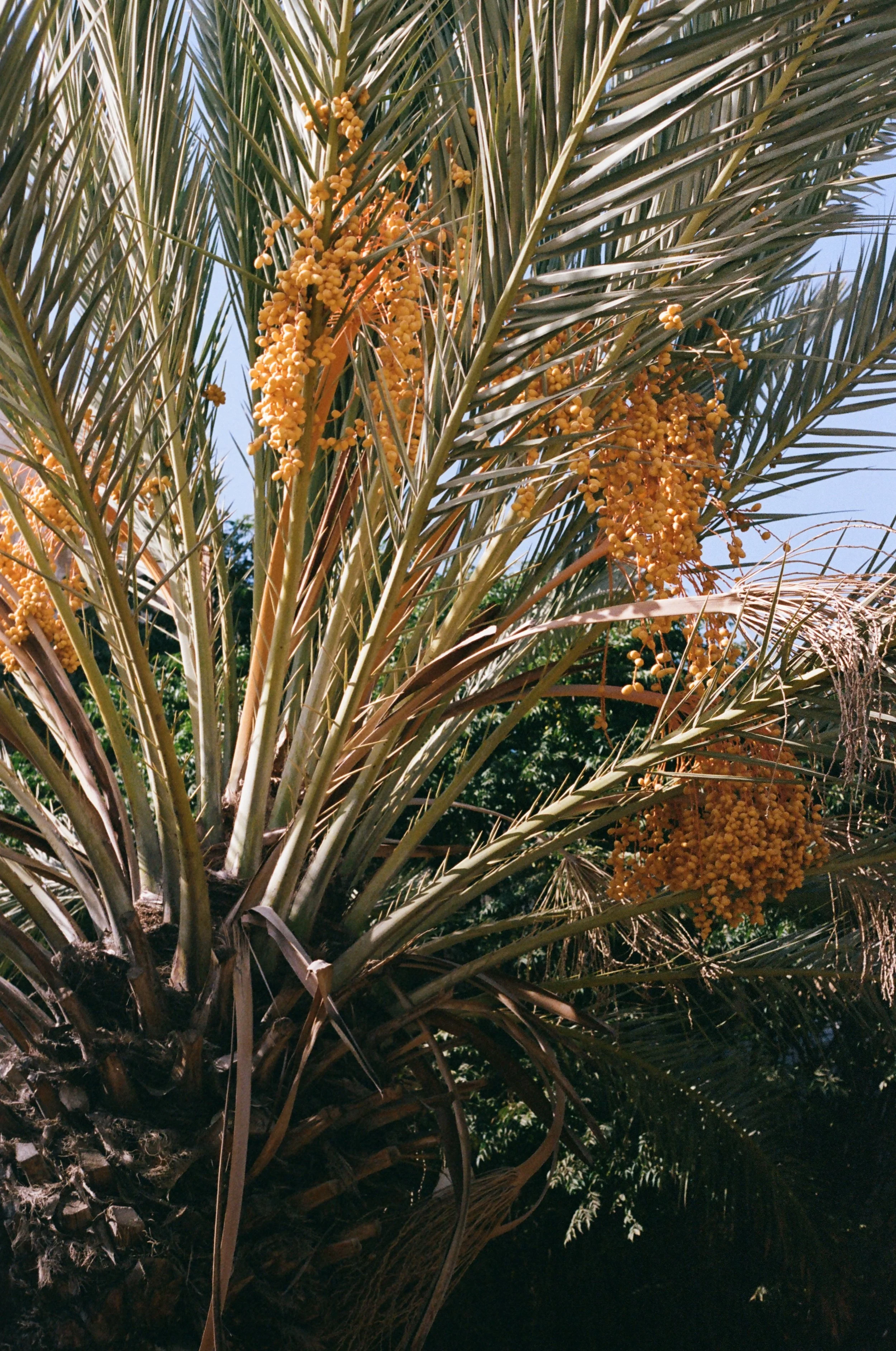
FIG. 13 — Date PALMS
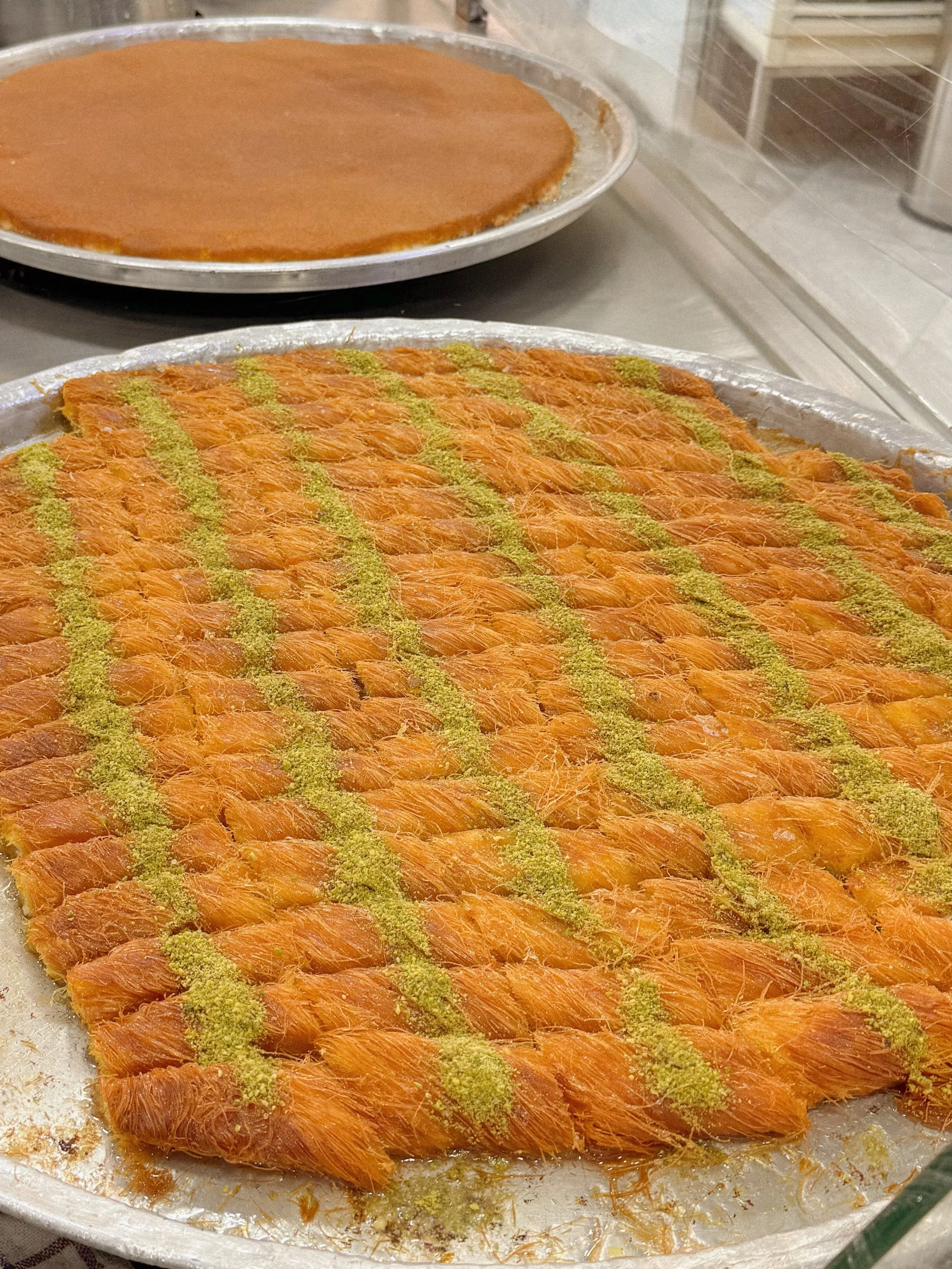
FIG. 14 — knafeh
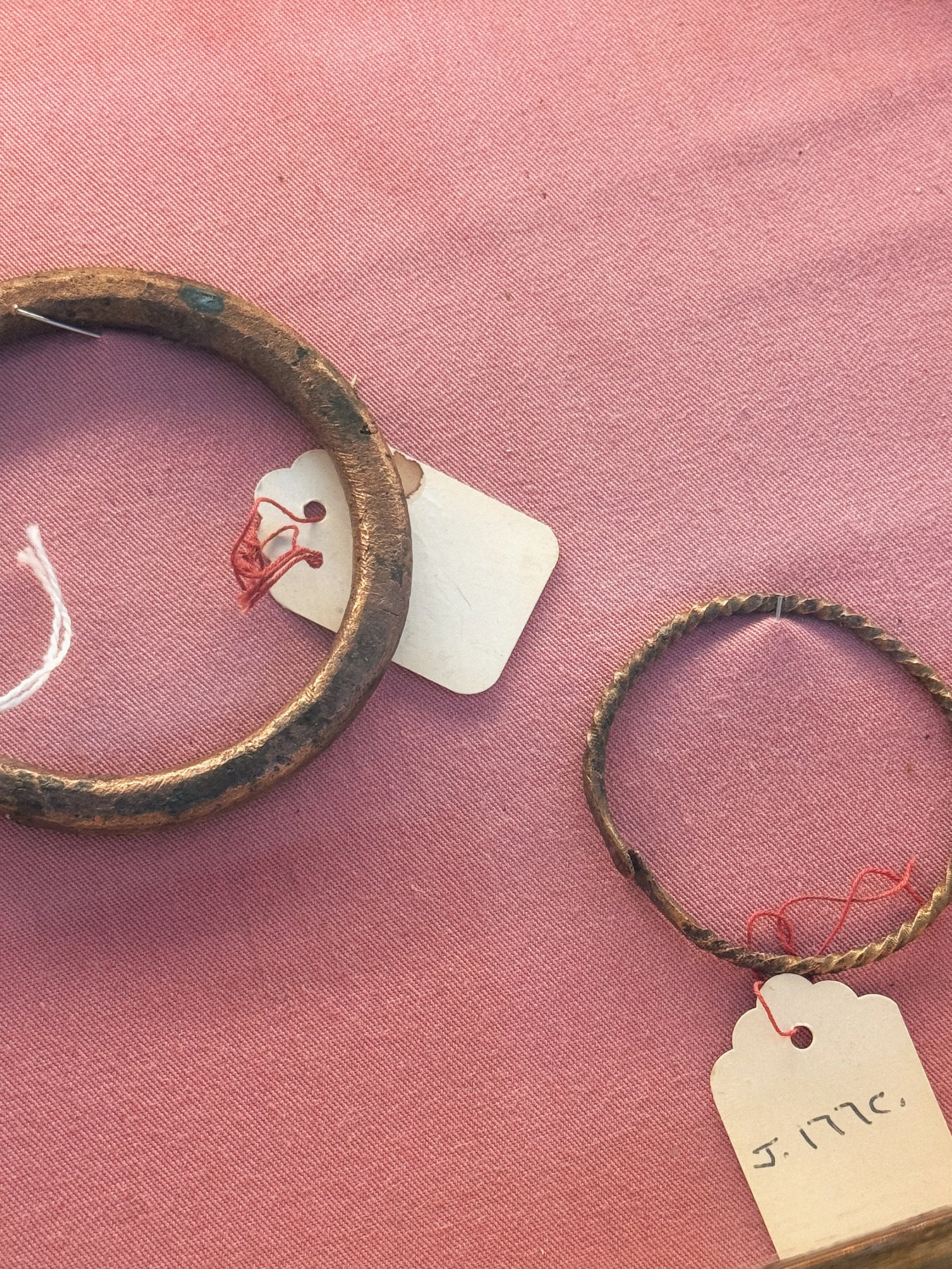
FIG. 15 — Historic jewelry artifacts at the Jordan Archaeological Museum in Amman
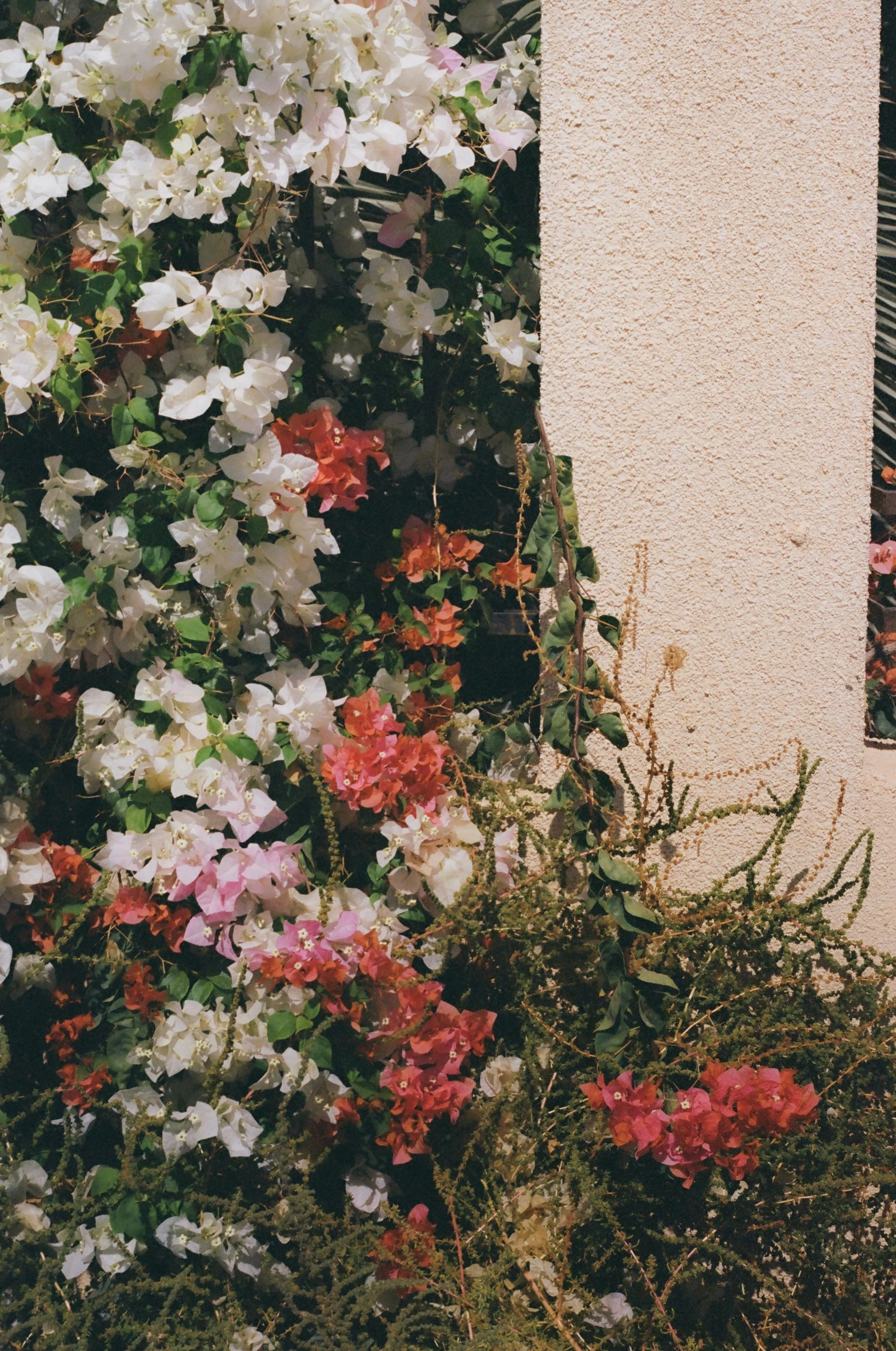
FIG. 16 — Bougainvillea near the jordan river