
EGYPTIAN TURQUOISE CABOCHONS

EGYPTIAN TURQUOISE CABOCHONS
Locale — Sinai Peninsula, Egypt
About this Particular Crystal
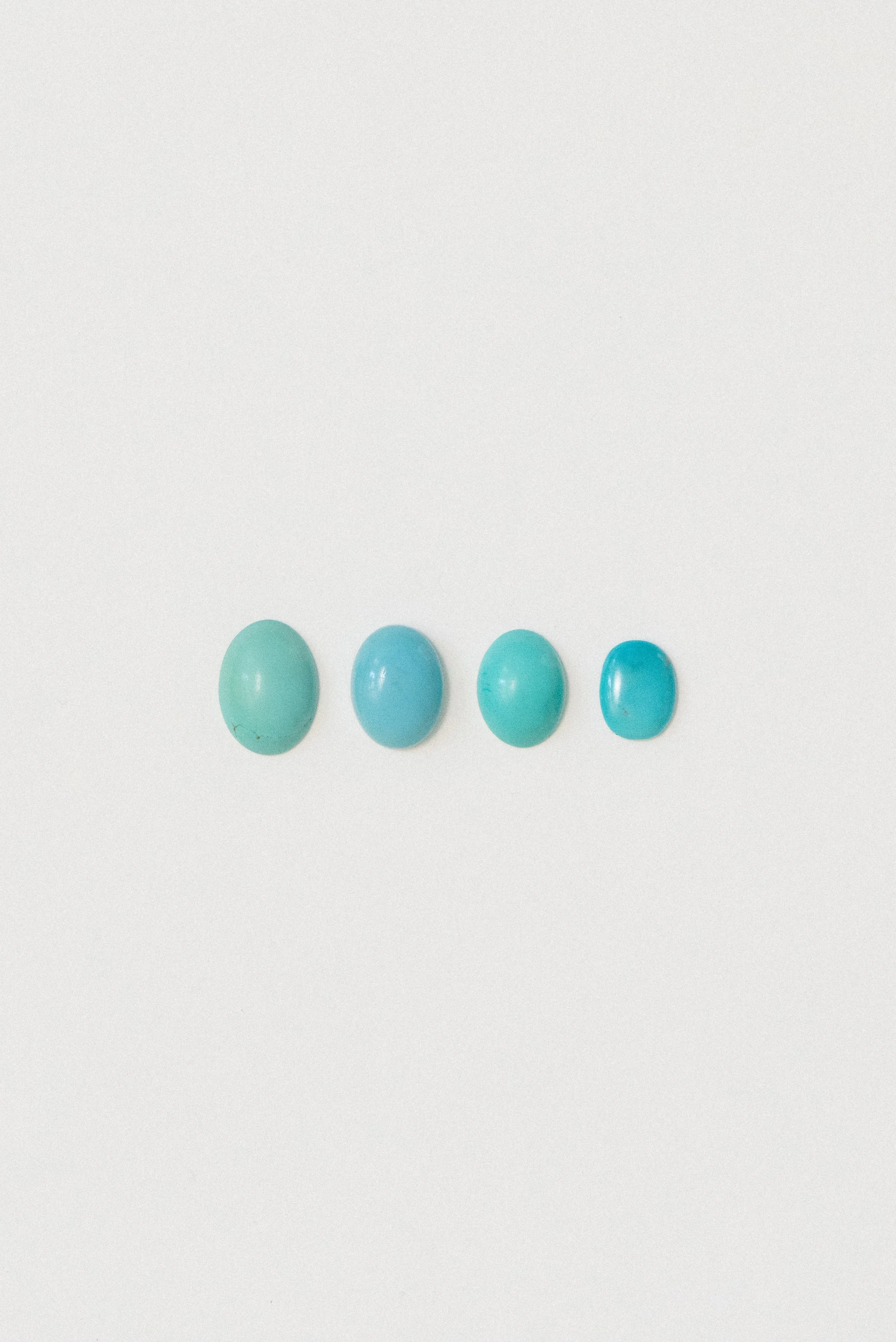
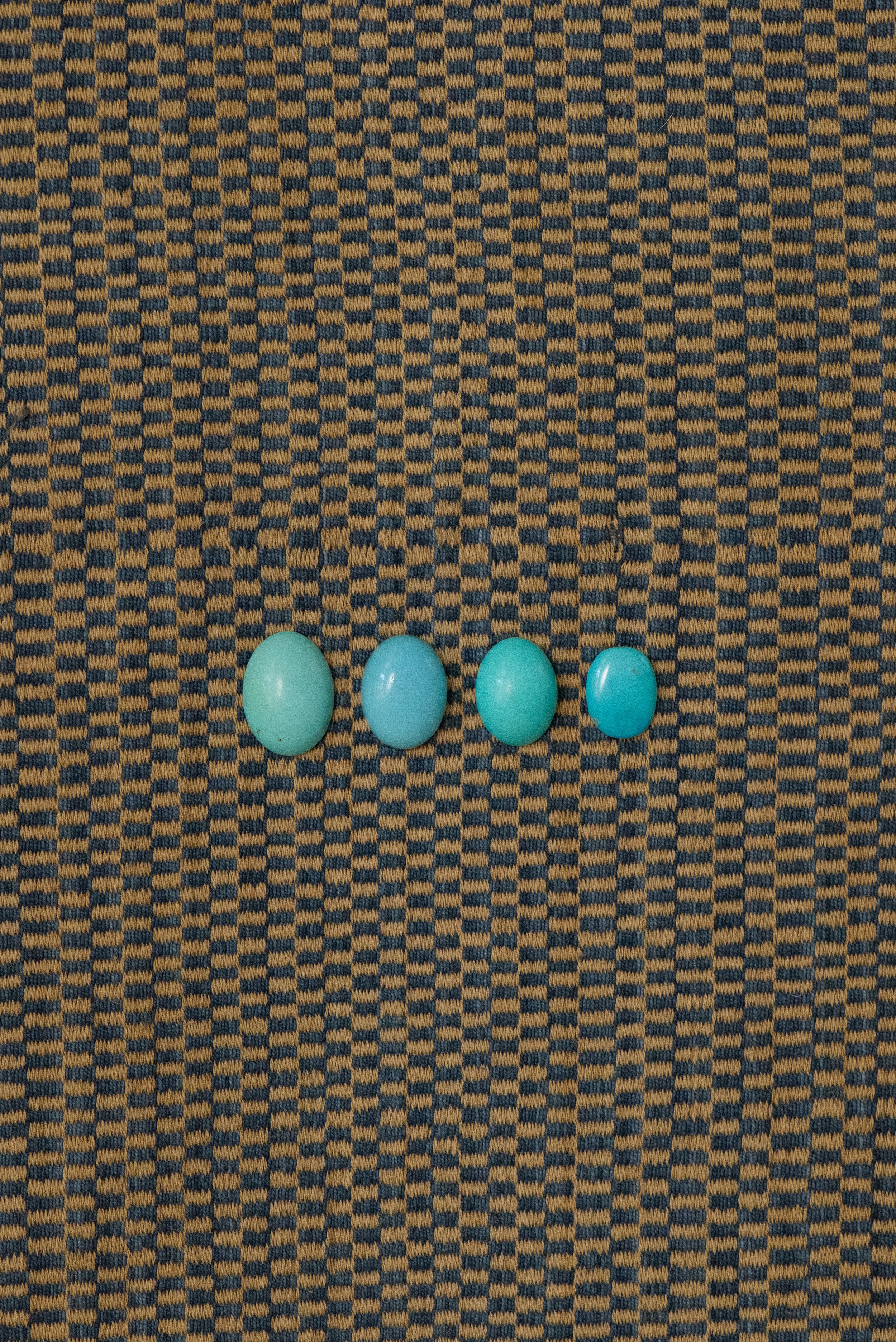
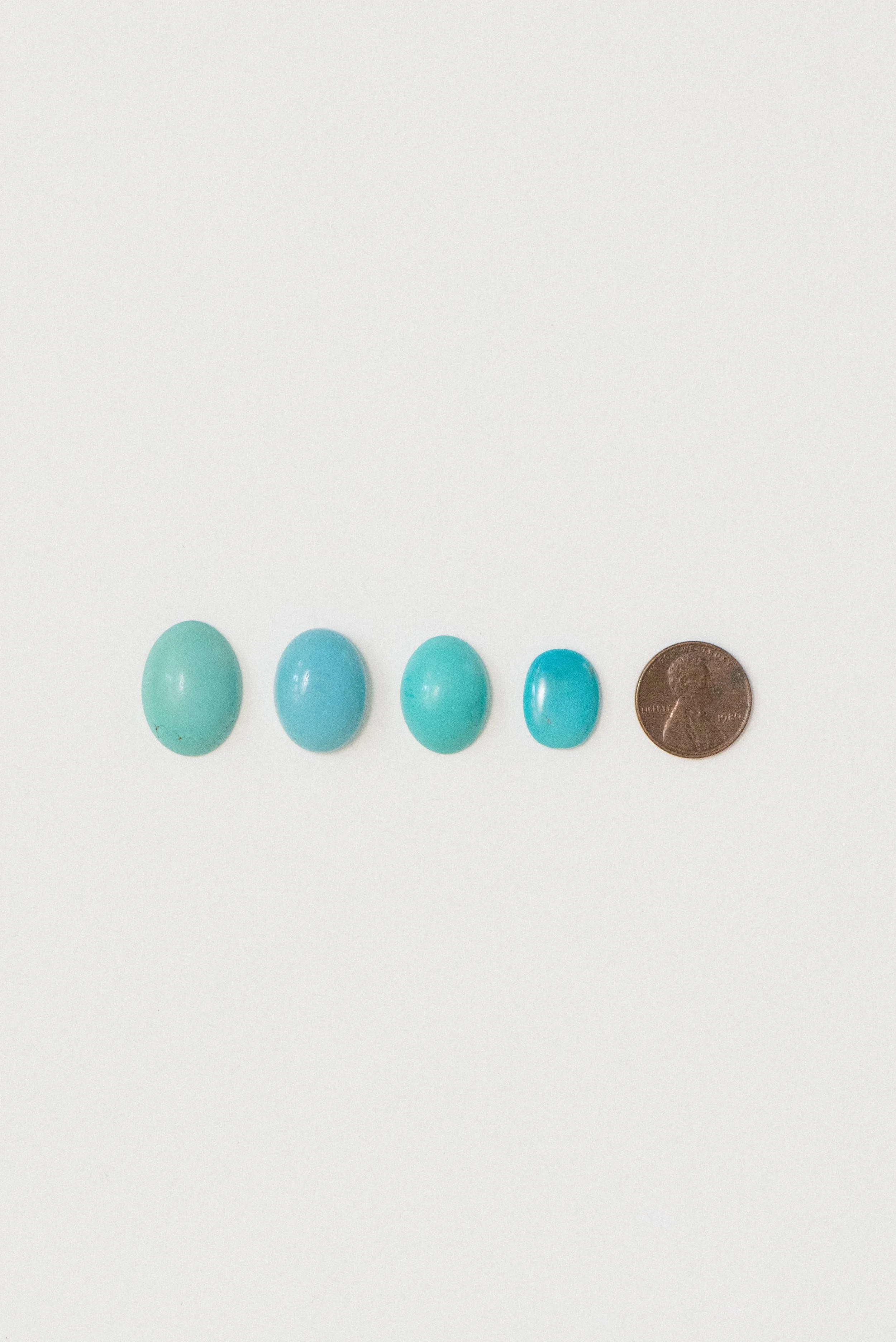
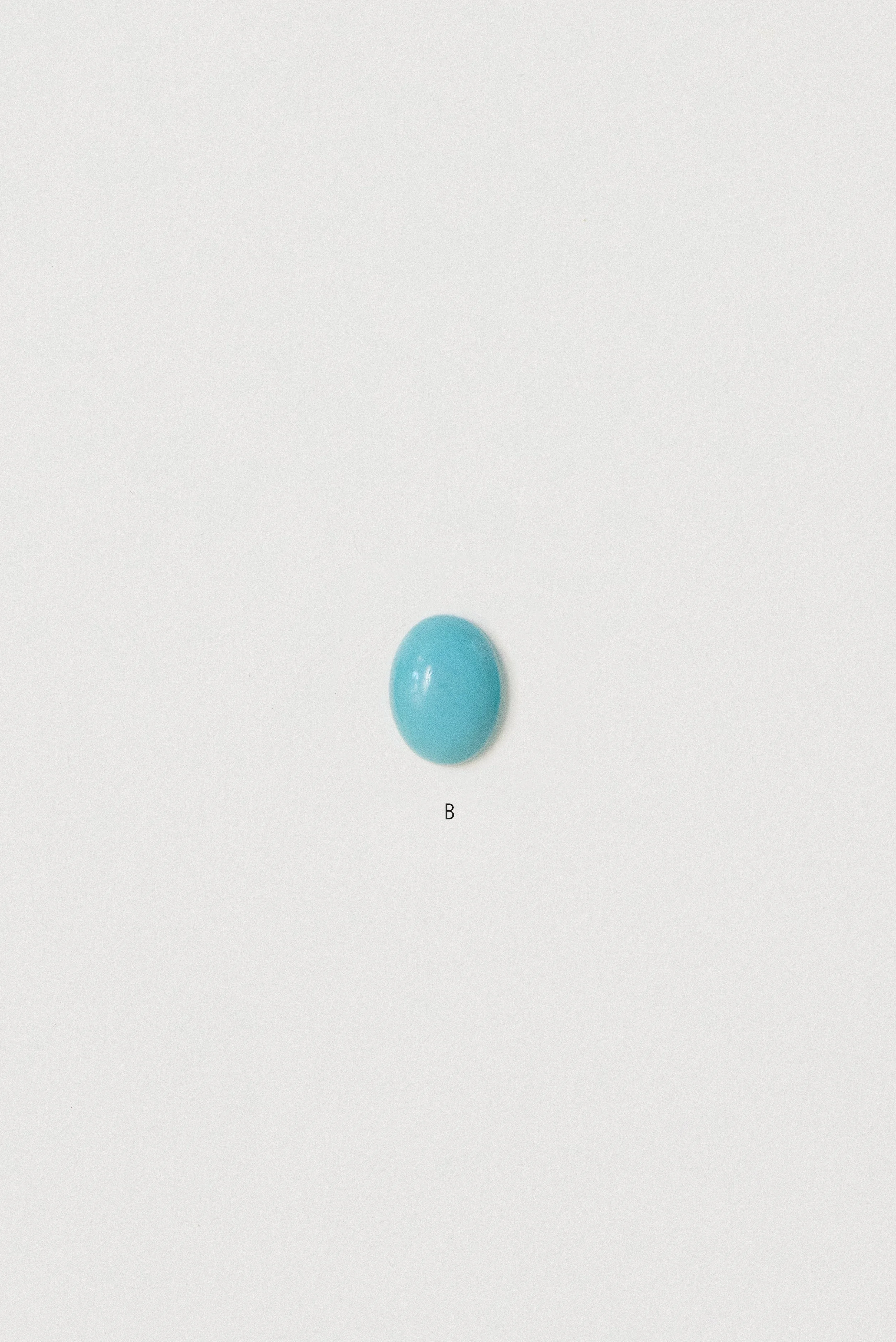
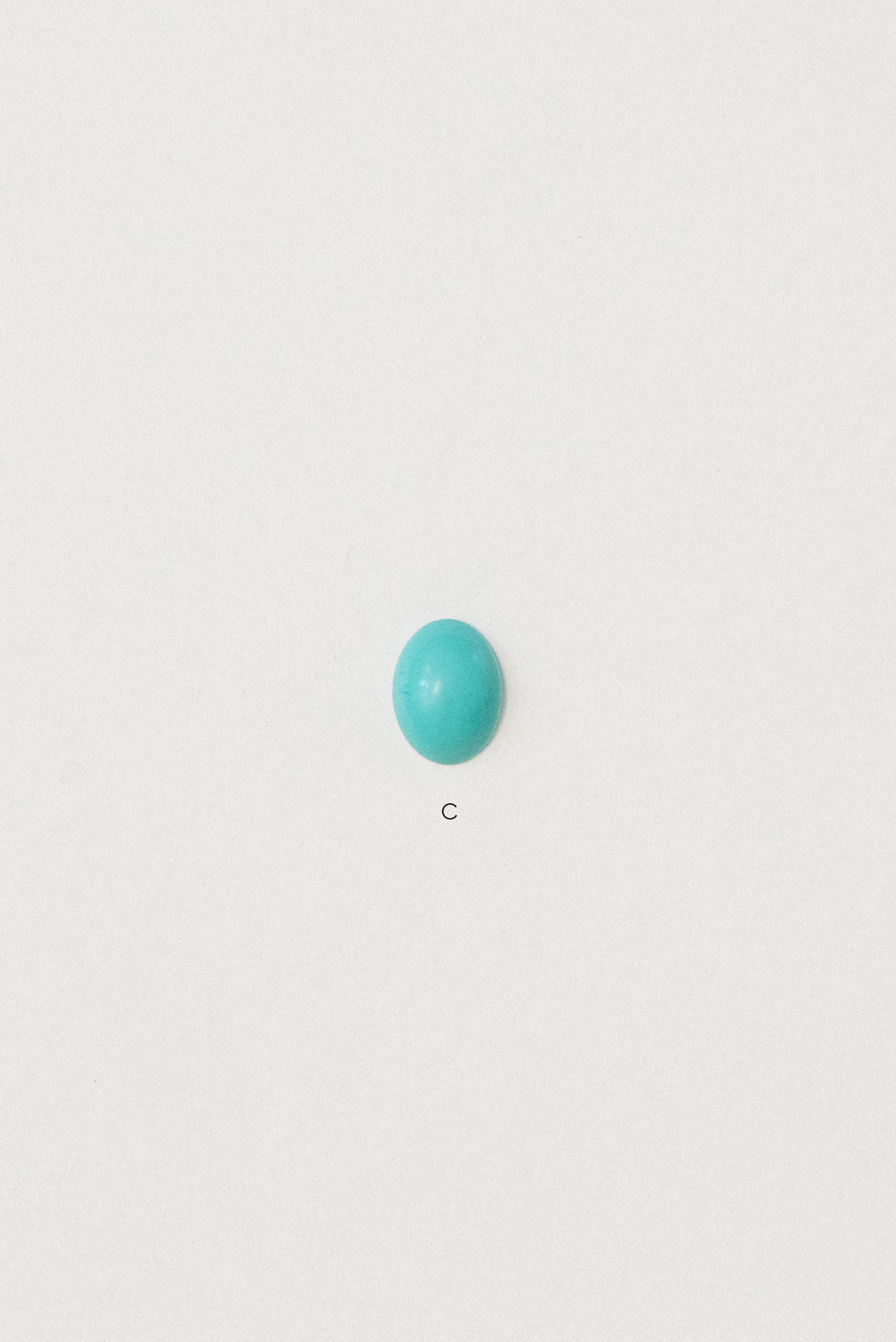
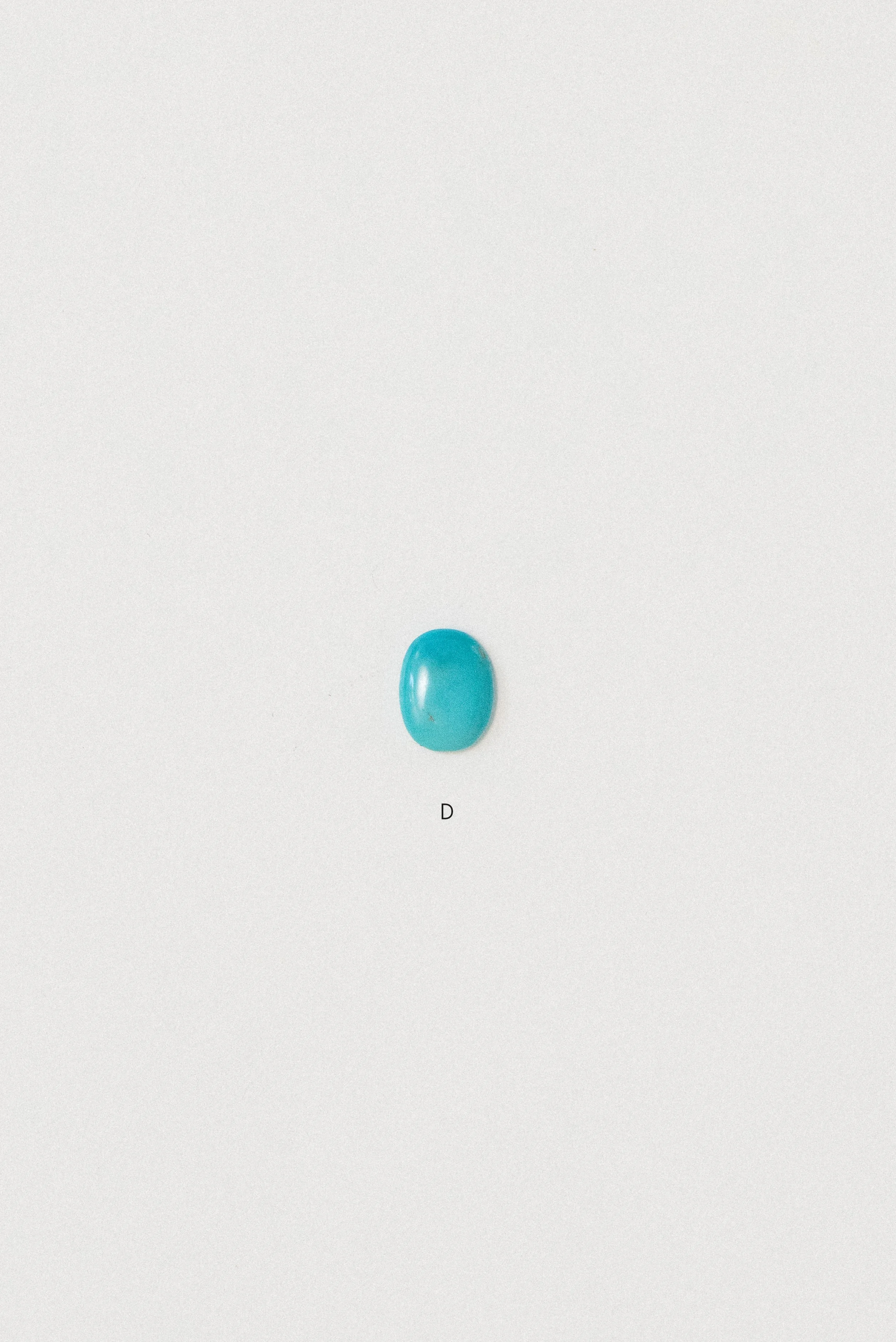
found these Egyptian turquoise cabochons in Luxor, each one hand-selected to show the natural range of hues that emerge from the Sinai Peninsula. From green-leaning teal to a deeper sky blue, the variation reflects both the mineral diversity of the region and the living energy of the stone itself.
The Role of Turquoise in Ancient Egypt
Turquoise was one of the first gemstones ever mined by human hands, and in ancient Egypt, it held extraordinary power. It was a living talisman, offering spiritual guardianship, truth, and the promise of renewal in both this life and the next. Known as mefkhat, a word associated with joy and delight, turquoise was prized not only for its radiant blue-green hue but also for its spiritual and protective qualities.
Mined in the Sinai Peninsula as early as 3000 BCE, turquoise appeared in the jewelry, tombs, and ceremonial regalia of pharaohs and high priests. Its presence in the burial mask of Tutankhamun, alongside lapis and carnelian, reflected its role as a symbol of divine favor, eternal life, and celestial connection.
Turquoise was especially linked to Hathor, the goddess of beauty, fertility, and music, known as the Mistress of Turquoise. She was believed to watch over miners, dancers, and newborns, and her energy was thought to infuse the stone with vitality, joy, and maternal protection.
Details:
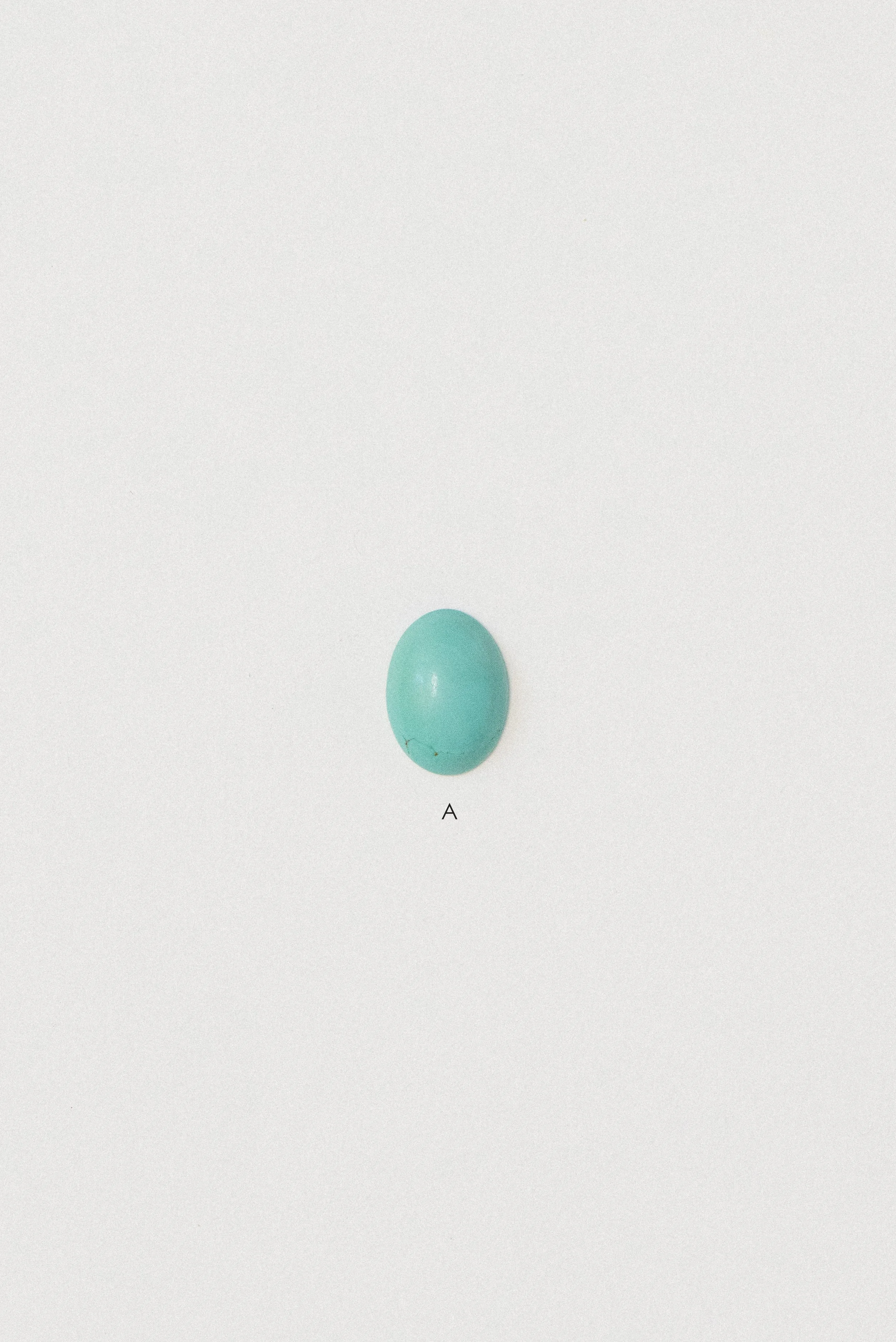
A — 2.84 grams / Approx. 0.9 × 0.625 × 0.3”
B — 3.28 grams / 0.875 x 0.625 × 0.5”
C — 2.46 grams / 0.75” x 0.625 × 0.28”
D — 1.15 grams / 0.625 × 0.5” x 0.25”