
C.V. Curiosities — Crystals in Ancient Egypt: Use, Symbolism, and Meaning

Fig. 1 — Funerary Jewels of Princess Khnumet, “Jewels of the Pharaohs” by Cyril Aldred, c. 1971.
Crystals are often considered a “New Age” phenomenon, which is ironic given that most are physically millions of years old and their cultural presence dates back thousands. As early as 4000 B.C.E., the ancient Sumerians of Mesopotamia documented the use of crystals in medicinal preparations. But no civilization illustrates the longstanding significance of stones more clearly than the ancient Egyptians. The abundant and enduring evidence they left behind, showing how stones were incorporated into ritual, healing, and adornment, reveals how deeply integral these materials were to expressing their worldview and way of being. This legacy makes clear that revering stones for their beauty and symbolic meaning is not a modern invention, but part of an unbroken lineage stretching back to the earliest days of human history.
Spanning from the Predynastic Period (before 3100 B.C.E.) to the Roman conquest of Egypt (395 C.E.), Ancient Egypt existed for over three thousand years. For most of the time, a polytheistic belief system shaped how people understood the world, the Divine, and their place within it. A person’s fate, health, and prosperity were believed to hinge on their relationship with the gods and the cosmic forces they governed. The Egyptians were pioneers of what we might now call “alternative” practices, so much so that later Hebrew, Greek, and Roman sources described them as masters of the occult sciences, and as the possessors of powers which could, according to circumstances, be employed to do either good or harm. Stones were an important accompanying tool for making this otherworldly “magic” happen.
From the first dynasties to later rulers like Cleopatra, stones were widely woven into the lives of the ancient Egyptians. They believed certain crystals and gems had the power to increase vitality and prosperity as well as aid health problems, boost psychic potential, and enhance connections with the Divine. Stones were employed for medicinal purposes (they would brew up potions made from dried flowers, roots, and crystals during religious ceremonies) and ground for color pigment, with Egyptians being one of the first to use crystals cosmetically (e.g. eyeshadow).
The ancient Egyptians worked with at least 38 gemstone varieties, sourced from queries and mines in the region, or imported from neighboring areas. The earliest stones to appear were lapis lazuli and carnelian, which can be traced back to the Predynastic Period, and turquoise, in the 1st Dynasty. Status and means determined which stones a person could access, but the upper echelon clearly had their favorites. Lapis lazuli was the most highly prized of the semi-precious stones, along with turquoise and carnelian.
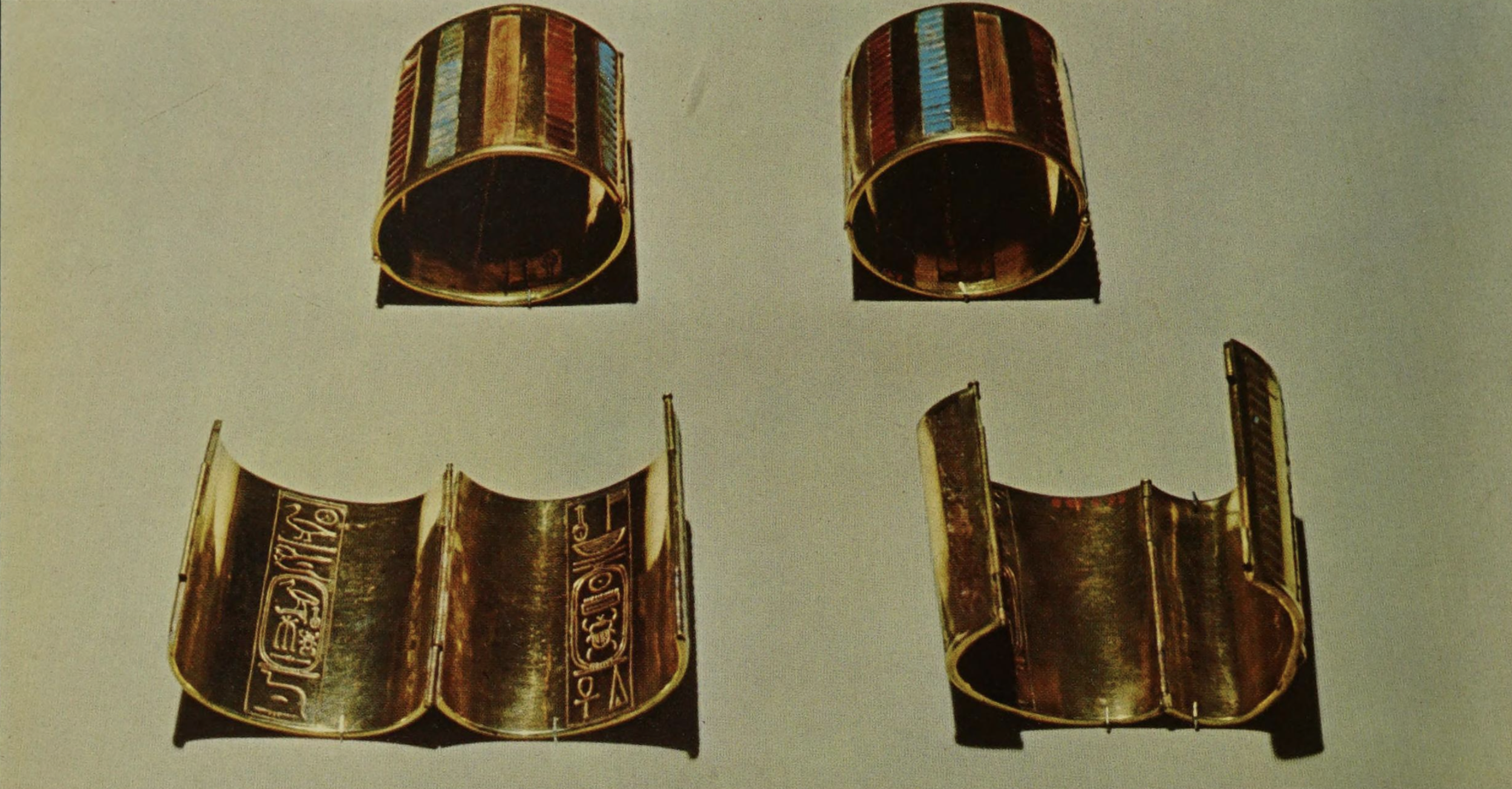
Fig. 2 — Hinged Gold cuff bracelets with carnelian and Turquoise, associated with the tomb of three foreign wives of Thutmose III, 18th Dynasty, ca. 1479–1425 B.C.

Fig. 3 — Animal figurines were commonly offered to deities and placed in tombs to safeguard the deceased in the afterlife. This small amethyst turtle was inlaid with turquoise, lapis-lazuli, and carnelian. Middle Kingdom, ca. 1991–1802 B.C.
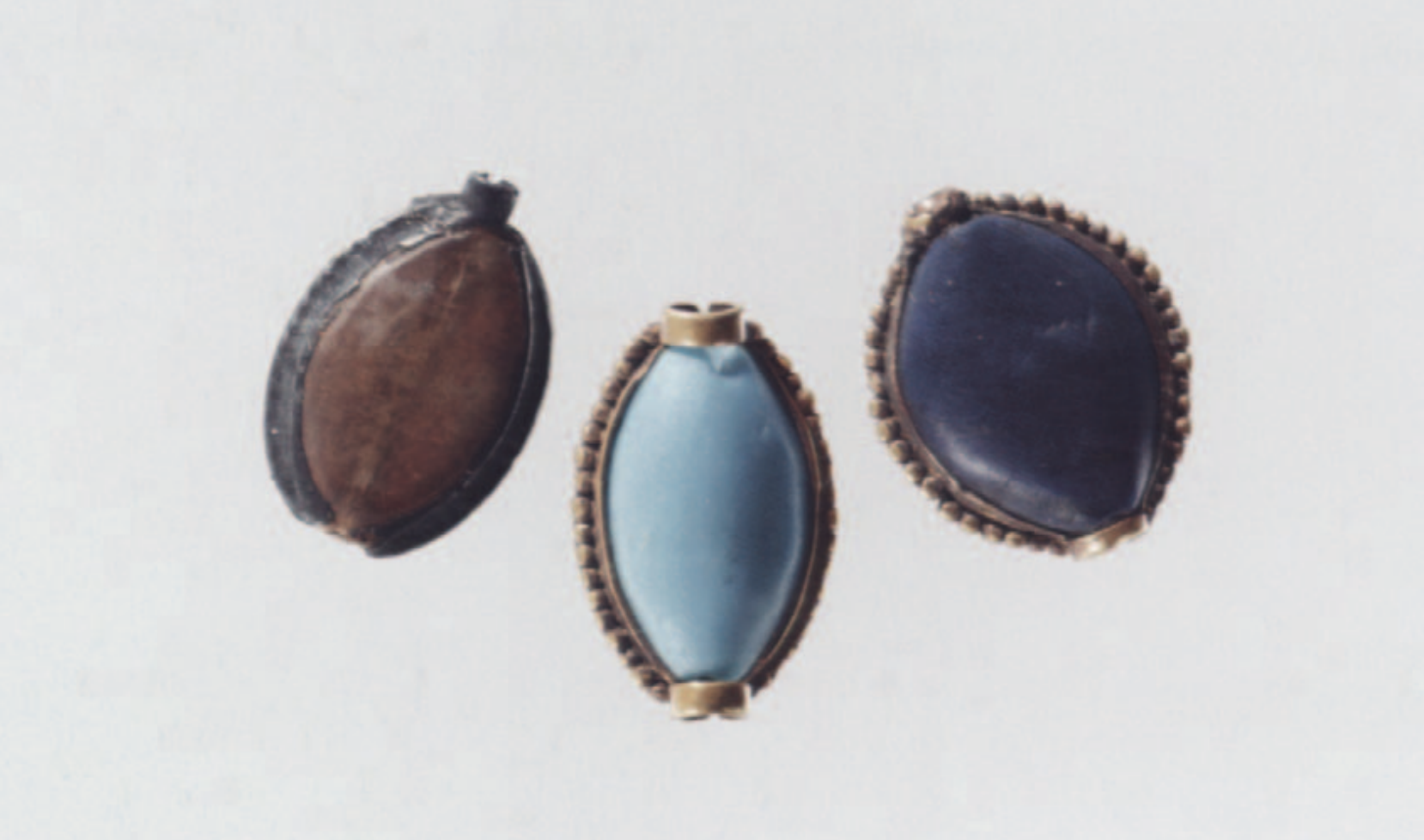
Fig. 4 — Cowroid beads made from calcite, glass, and lapis, mounted for rings, Early 18th Dynasty, CA. 1550-1425 B.C.

Fig. 5 — Necklace made from faience, bone or shell, glazed steatite, and carnelian, Fourth Dynasty.
The Power of Amulets
Although raw crystals have occasionally been found buried with mummies, gemstones were more often carved or polished into symbolic forms such as jewelry, small figures, seals, vessels, and other decorative items. Overwhelmingly, stones were transformed into amulets: objects believed to possess protective and beneficial powers that could be conferred upon those who wore or carried them. In Ancient Egypt, an amulet's efficacy was attributed to factors such as its material, color, form, inscriptions, and the rituals or spoken words associated with it. Amulets were typically worn or placed directly on the body to activate their powers. Nearly every man, woman, and child in Egypt who could afford it wore a charged charm or talisman, helping to cement the Egyptians' reputation among neighboring cultures as a nation of magicians and sorcerers.
The ancient Egyptians are of course famously known for their views of the afterlife and the elaborate mummification process they devised. Their texts thoroughly document the necessary steps and components required to successfully usher a soul into the next phase of immortality. Throughout the Book of the Dead, very specific instructions are given regarding what kinds of amulets should be included with the deceased, where they should be placed, and what type of stone they should be made from.

Fig. 6 — Popular symbols in amulet form were the scarab, isis knot, ankh, eye of horus, and Djed pillar.
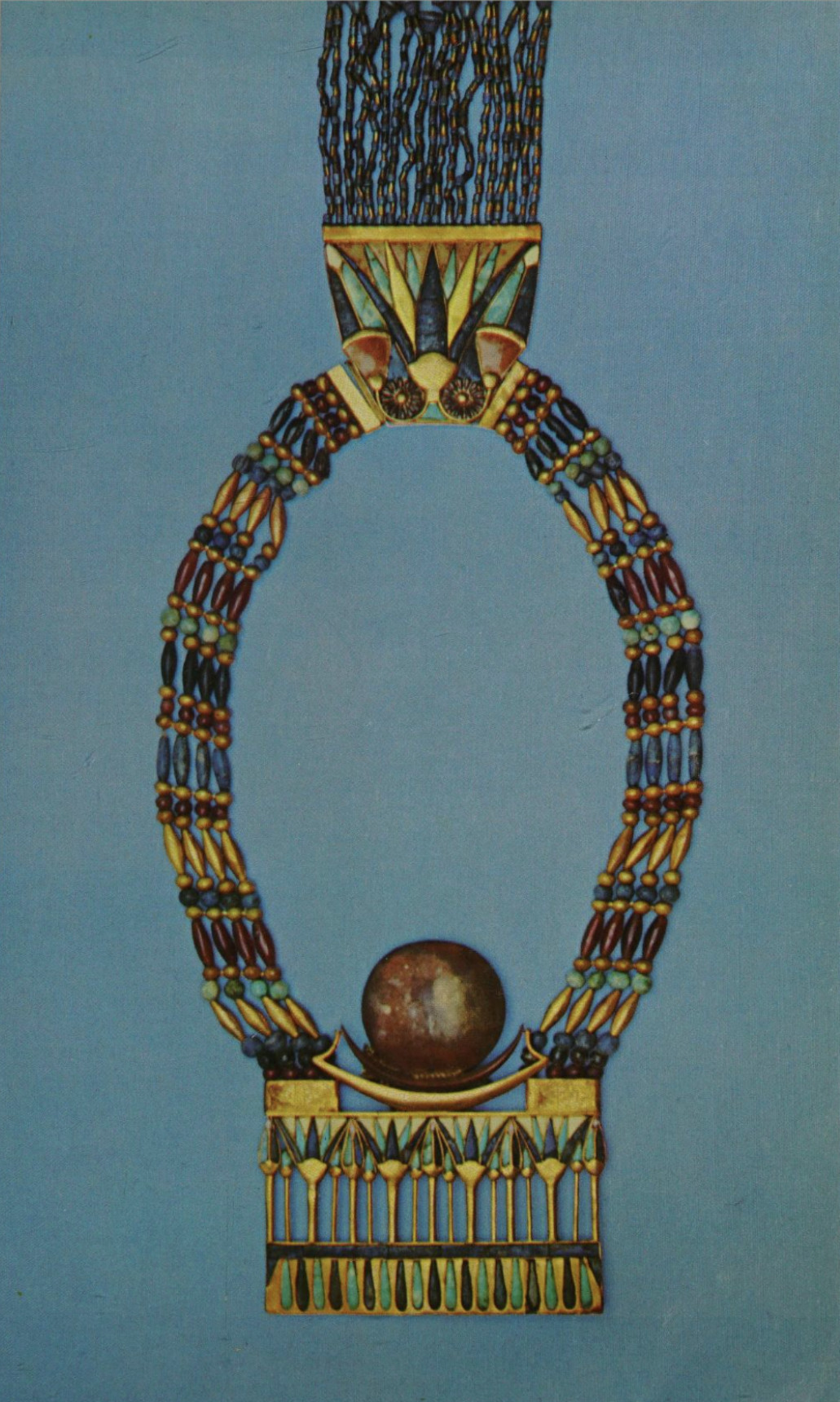
Fig. 7 — Necklace of Tutankhamun with Lunar Pectoral, New Kingdom, late 18th Dynasty, ca. 1332-1323 BC.
The ancient Egyptian palette was formed around the main color groups
The ancient Egyptians associated minerals and metals with particular gods, natural elements, and spiritual or therapeutic qualities. Stones were chosen not only for their visual effect in a given application, but also for the symbolic and magical significance of their color and its relationship to broader religious beliefs. The Egyptian word for color, iwn, also translates as "disposition," "character," "complexion," and "nature," suggesting that color was understood as intimately connected to the essence of being. Colors were therefore not used arbitrarily but were intended to convey meaning and imbue an image or object with greater power.
RED (Desher)
Red was a charged color that carried both protective and dangerous qualities. It was linked to vitality, power, blood, and fire, but also to chaos, destruction, and the desert.
STONES
Red stones like carnelian, garnet, and red jasper carried the energy of life, strength, and vigor.
USES
Red stones were carved into protective amulets and jewelry, and used to treat infertility. Mummies were buried with a “tyet (tit)” amulet (also known as an Isis knot), which was considered a potent symbol of protection in the afterlife. The Book of the Dead specifies that the tyet be made of blood-red stone and placed at the deceased's neck (FIG. 9), in the belief it would evoke the assistance of Isis to guide the soul safely to the next life. For this reason, numerous pieces of jewelry containing carnelian and red jasper were uncovered in ancient Egyptian tombs.
GODS & GODDESSES
Isis — Goddess of nature and magic, whose blood-red knot amulet symbolized her power to protect and guide souls through death and rebirth. It is said that Isis wept tears of blood over the death of Osiris and these crystallized as carnelian. From them, the Goddess carved her red knot amulet.
Set — God of chaos, storms, and the desert, often called the “Red One.” His association with the barren desert and violent force gave red its destructive edge.
Sekhmet — Lion-headed goddess of war and healing, linked to blood, fire, and the burning red heat of the sun. Red beer was famously used in rituals to appease her rage.
Ra — The sun god, whose red solar disk evoked fiery vitality and protective force.

Fig. 8 — Carnelian and gold vessel, from the tomb of Khasekhemwy, Abydos, cA. 2740-2707 B.C.

Fig. 9 — red jasper tyet (isis knot) amulet, New Kingdom, ca. 1550–1070 B.C.
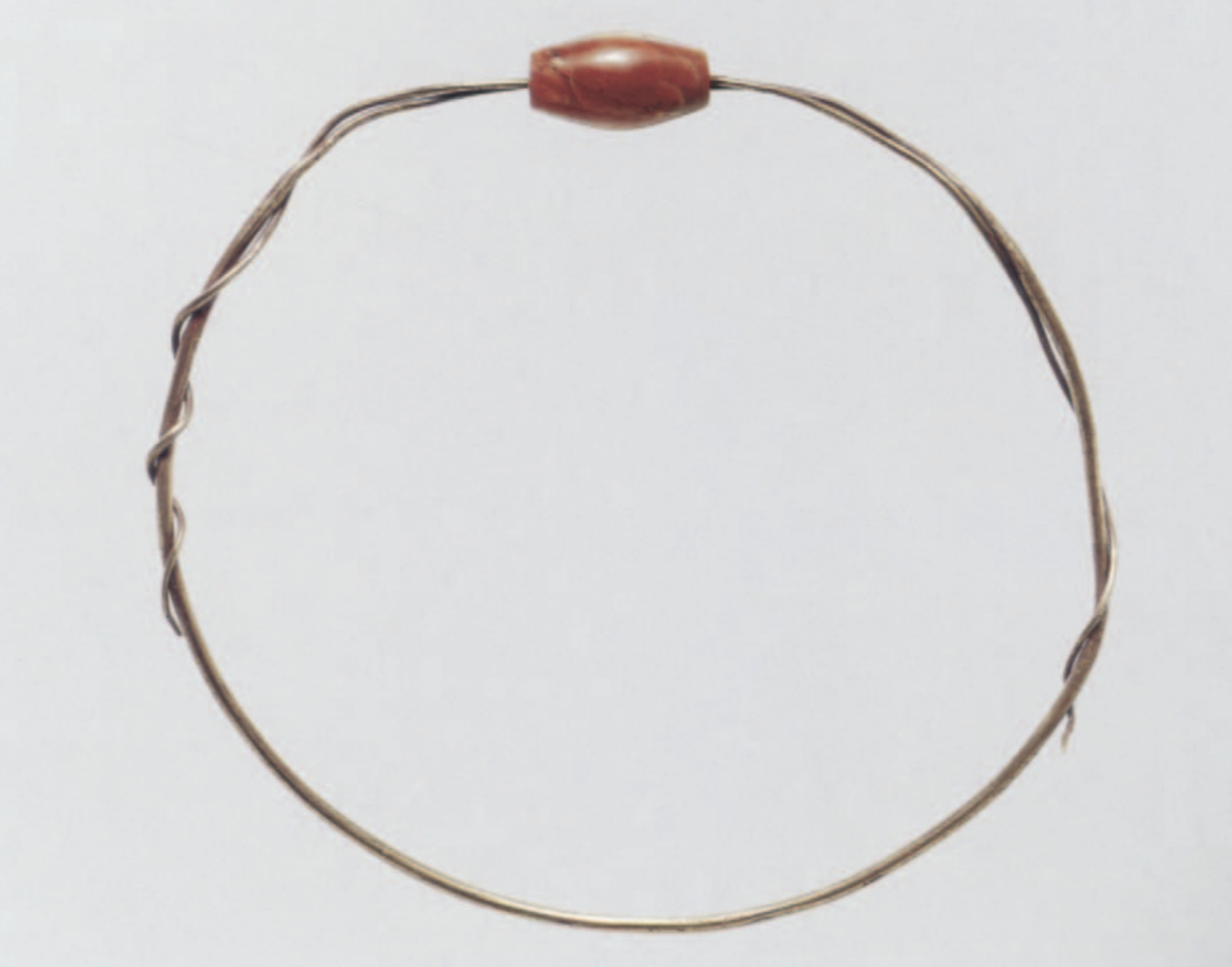
Fig. 10 — Carnelian Sweret Bead on a gold Wire, Early 18th Dynasty, reign of Thutmose III, cA. 1479-1425 B.C.
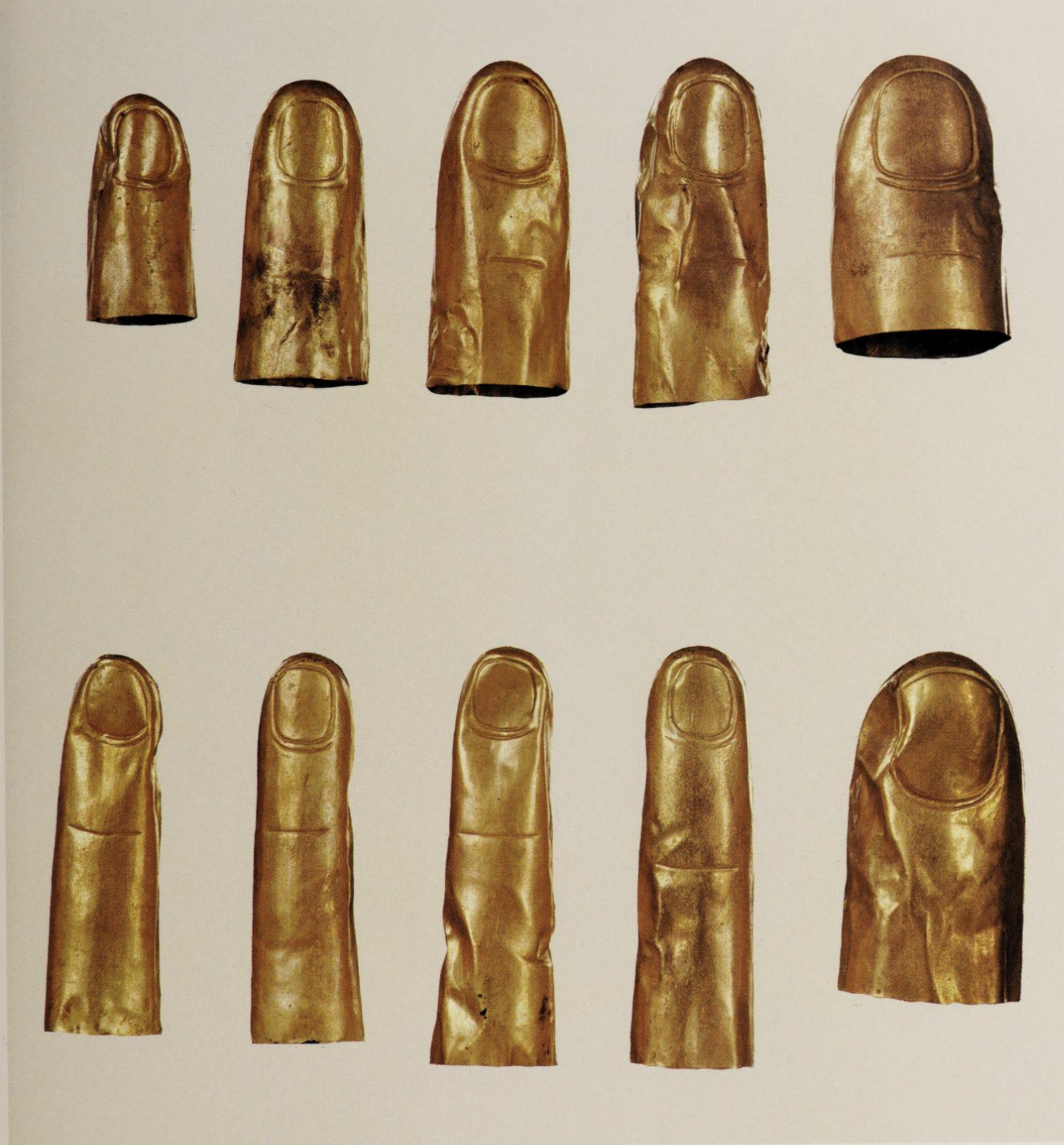
Fig. 11 — Gold Sheaths used to cover the finger and toe tips of King Tut, "Gold of Tutankhamen", c. 1978.
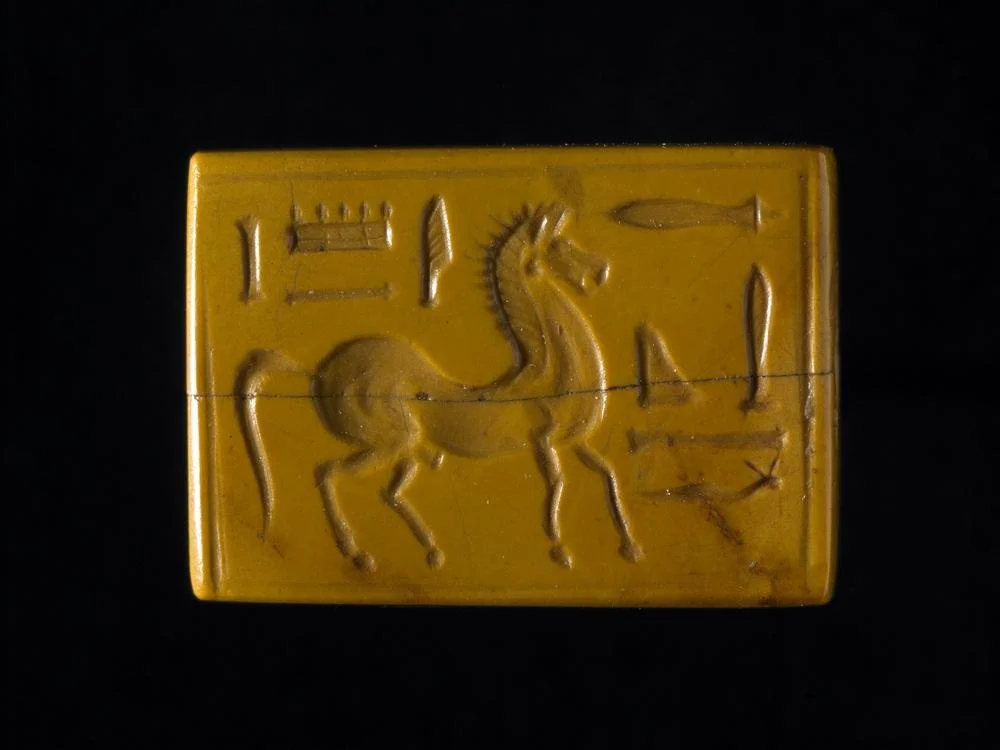
Fig. 12 — Yellow jasper rectangular plaque of Amenhotep II, 18th Dynasty.

Fig. 13 — Gold Vessels of Hetepheres, Old Kingdom, 4th Dynasty, reign of Sneferu or Cheops, cA. 2585 B.C.
Yellow (khenet or kenit) / Gold (Newb)
Yellow/gold was associated with eternality, imperishability, divine radiance, and the flesh of the gods. It signified what could not decay like light, life force, and the divine body.
Stones
Yellow-toned stones like yellow jasper, Libyan desert tektite glass, citrine, and carnelian carried solar energy, protection, and longevity.
USES
Yellow stones were carved into ritual objects meant to endure. Gold was considered a divine metal because it never tarnished and was used to depict the skin of the gods who were considered indestructible.
GODS & GODDESSES
Ra — The sun god, source of light and life. His solar disk radiated divine fire and was often depicted in gold.
Hathor — The “Golden One,” goddess of music, beauty, motherhood, and joy. She embodied solar radiance, fertility, and divine femininity. Hathor was deeply associated with gold and yellow, especially in her title “Lady of the Gold”, and was honored at temple sites near Egypt’s gold and turquoise mines.
GREEN (Wadj)
Green signified resurrection, rebirth in the afterlife, fertility, and lush vegetation. It was the color of new life and divine renewal, associated with health, protection, and the constant cycles of growth.
STONES
Green stones like malachite, emerald, some turquoise, chrysocolla, chalcedony, green jasper, and peridot represented freshness, regeneration, joy, positivity, growth, and hope.
USES
Green crystals were primarily used for adornment, amulets, and pigment. Funerary texts like the Book of the Dead prescribed green jasper for heart-shaped and heart scarab amulets. During mummification, the heart was left inside the body, and a green heart scarab (FIG. 16) was placed over it to magically protect it from harm in the afterlife. The heart was vital because it was considered the seat of emotions and intellect, and it was believed that the heart had a will and existence of its own.
Malachite was sewn into royal garments and lined the headdresses of pharaohs for protection. It was also used to aid childbirth, easing the transition into motherhood and shielding both mother and child from negative forces. Because it is copper-based, malachite carries natural antimicrobial and anti-fungal properties. Cleopatra famously used malachite as eyeshadow, which may have also helped prevent eye infections.
GODS
Osiris — “The Great Green” was the god of fertility, agriculture, the afterlife, the dead, resurrection, life, and vegetation. He was often depicted with green skin, symbolizing not just his role as the god of fertility but also of the underworld, linking green to resurrection (FIG. 14). Thus, it's no surprise that the brilliant green mineral malachite has been connected with many of these concepts. Ancient Egyptians sometimes referred to the underworld as the Field of Malachite.
Horus — The falcon-headed god of protection and kingship. In the Book of the Dead, the deceased is described as a falcon with wings of green stone. In the Pyramid Texts, Horus is named “Lord of the Green Stone.” Because of this reference, Eye of Horus (Heru) amulets were often made from green stones, indicating healing, insight, and protection.
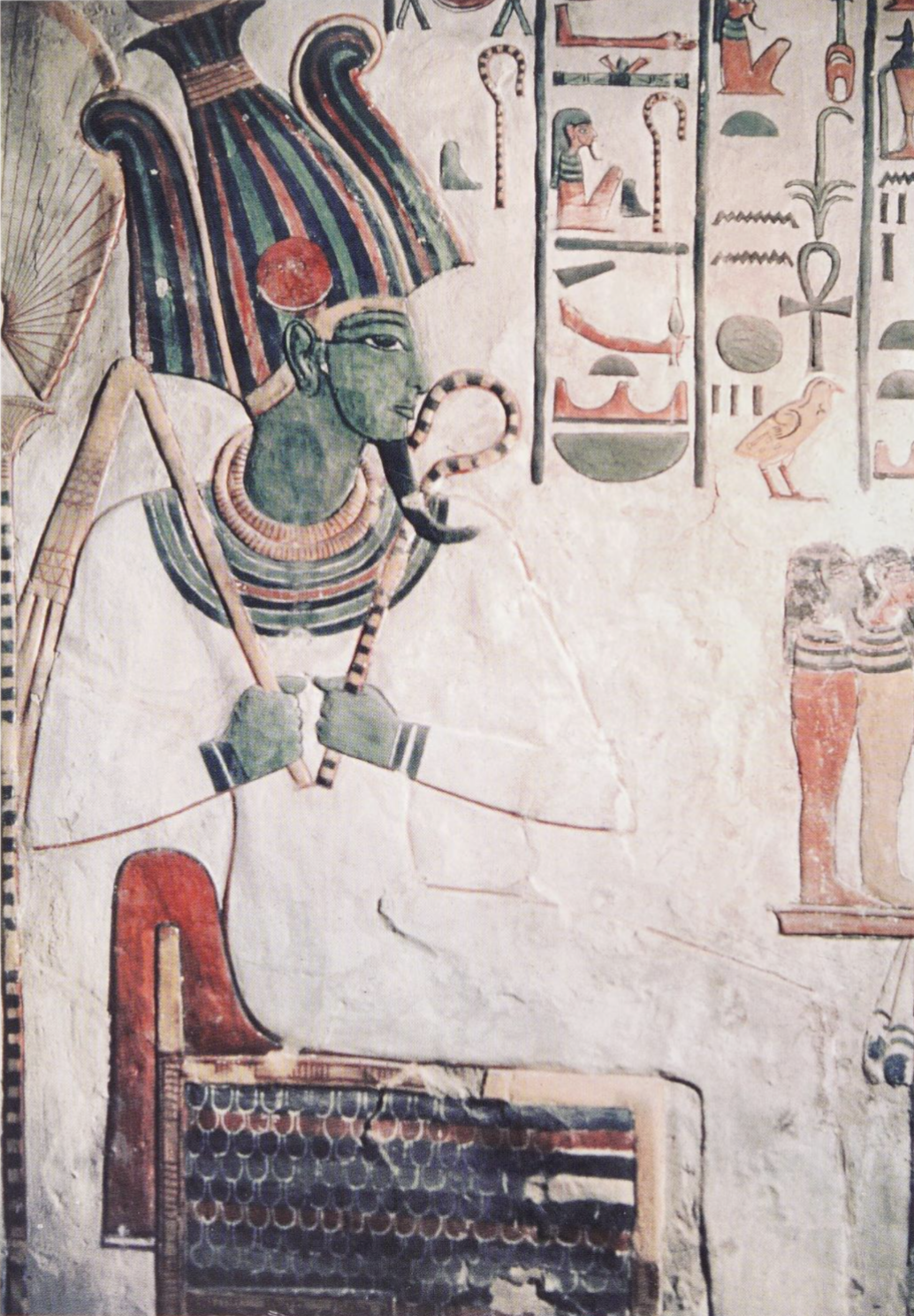
Fig. 14 — Osiris, Tomb of Nefertari, Dynasty XIX (Ramses II), Ca. 1279-1213 B.C.
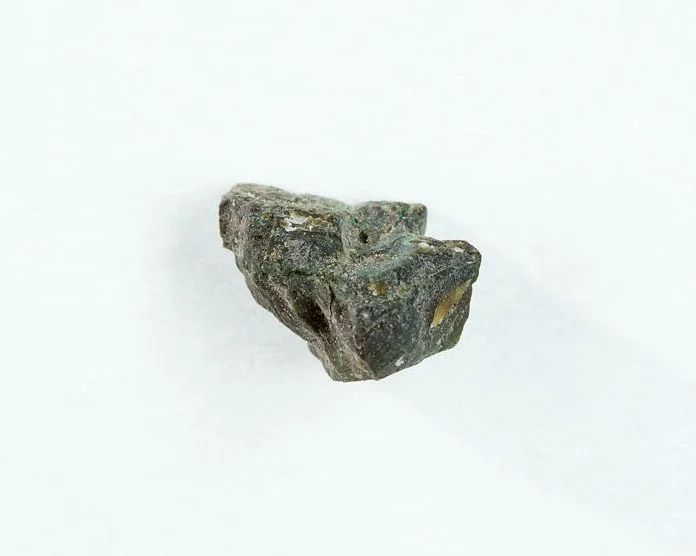
Fig. 15 — Fragments of Malachite , New Kingdom, ca. 1479–1458 B.C.
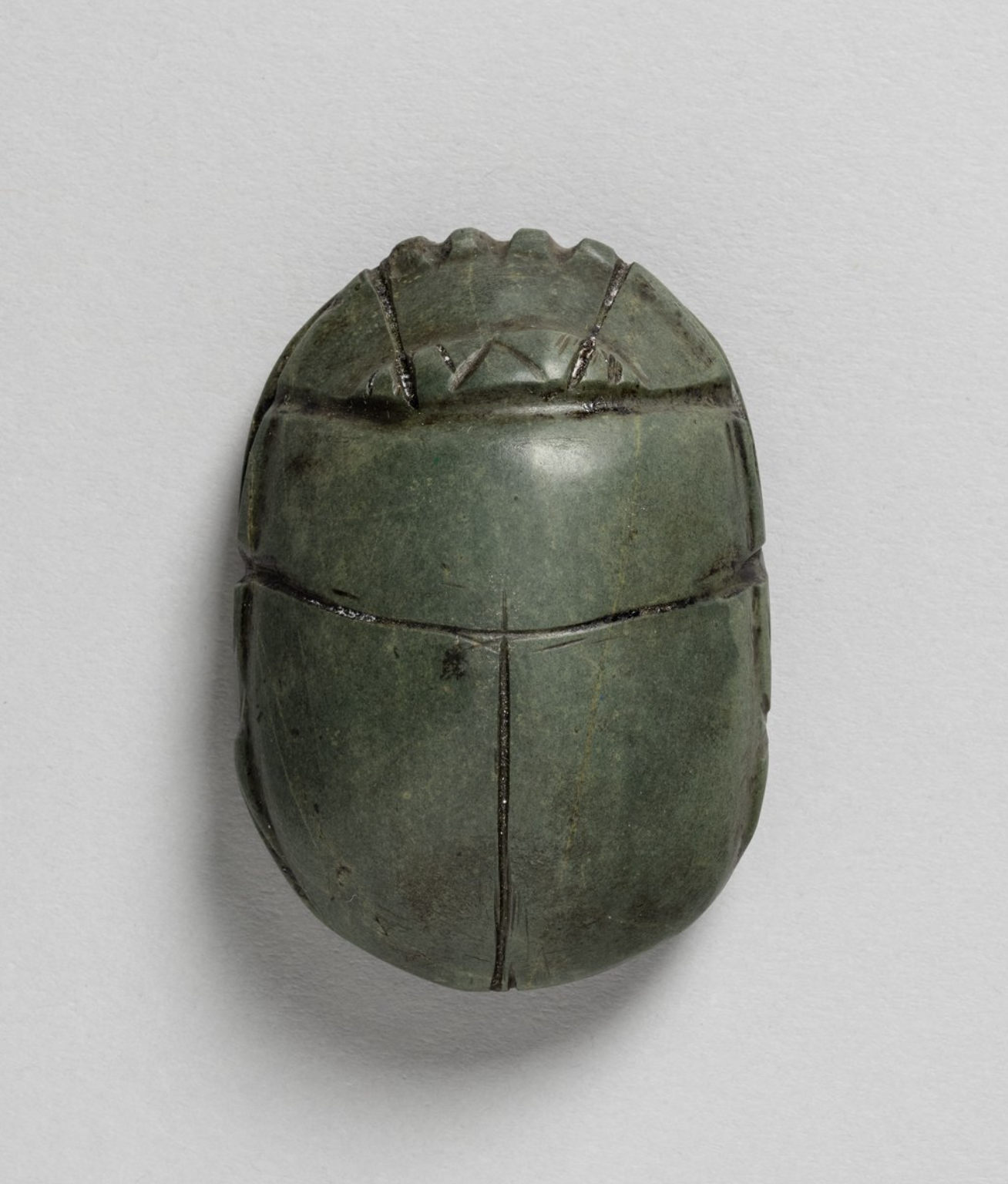
Fig. 16 — The most important green amulet was the heart scarab, which was placed in the heart cavity in case something happened to the deceased person's actual heart.
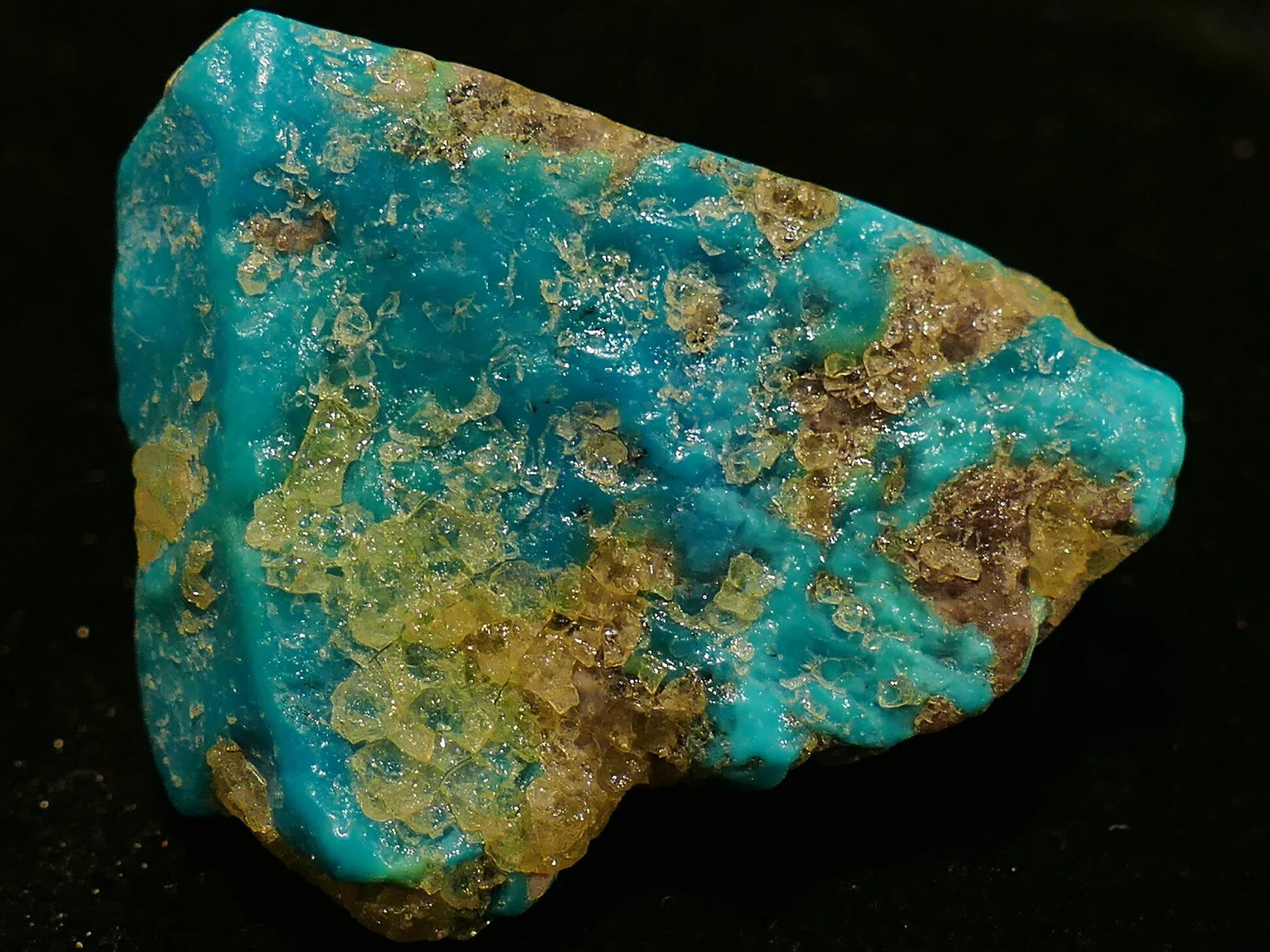
Fig. 17 — Turquoise from Wadi Maghareh, Egypt
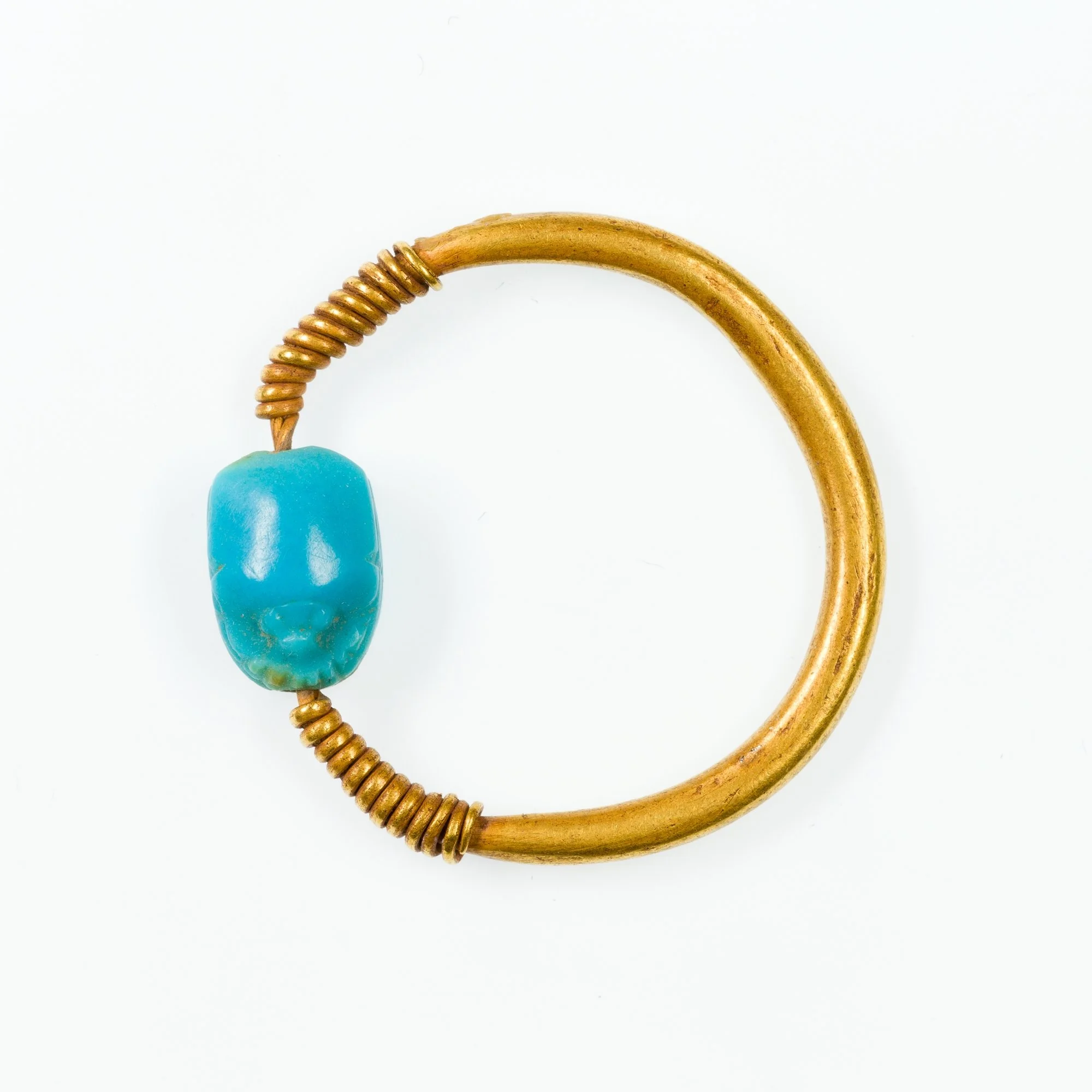
Fig. 18 — Ring with Turquoise Scarab, Middle Kingdom, ca. 1850–1640 B.C.
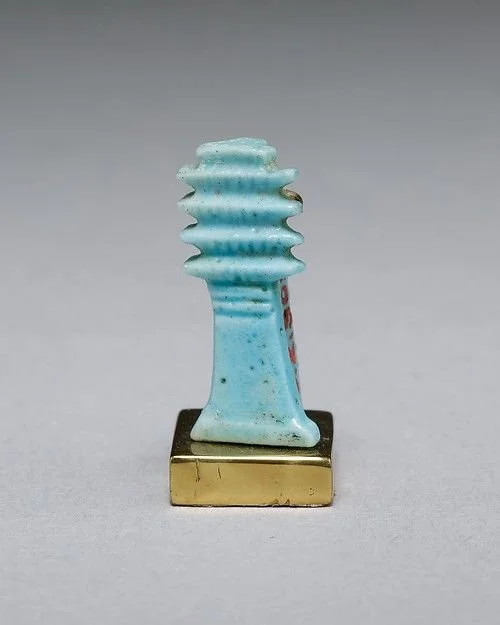
Fig. 19 — Djed Pillar Amulet, Late Period–Ptolemaic Period, cA. 664–30 B.C.
TURQUOISE (mefkat)
Light blue stones symbolized the primordial waters and daytime sky, while greener leaning stones were associated with fertility and vegetation. Turquoise, in particular, was the stone of joy, delight, and divine protection.
STONES
True turquoise from the Sinai Peninsula was most valued, but stones like chrysocolla, faience, amazonite, and some greenish-blue chalcedony were also worked with to mimic its brilliant tone.
USES
Turquoise was carved into small objects, jewelry, and laid in stone. Green amazonite was often used for papyrus scepter amulets called wadj.
GODS & GODDESSES
Hathor — Known as the “Mistress of Turquoise,” Hathor’s domain extended beyond motherhood and the afterlife to include music, dance, fertility, protection, and the destiny of newborns. She was especially honored at the turquoise mines of Serabit el-Khadim in the Sinai Peninsula, where miners built temples in her name. Because of this sacred connection, turquoise is found in numerous funerary objects and royal artifacts, including Tutankhamun’s death mask.
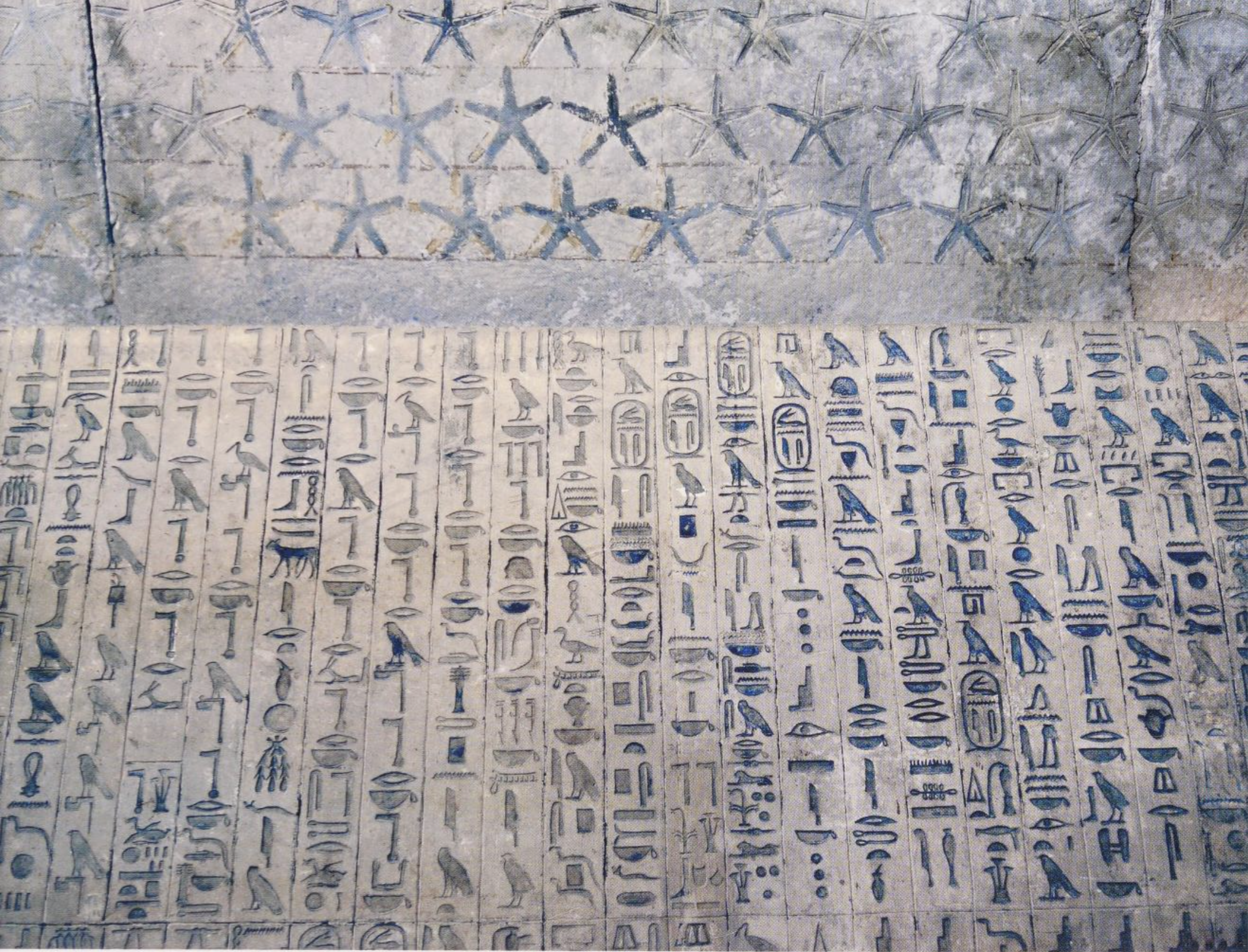
Fig. 20 — The "Pyramid Texts" inscribed on the walls of the pyramid of Unas, Saqqara, Ca. 2375-2345 B.C.
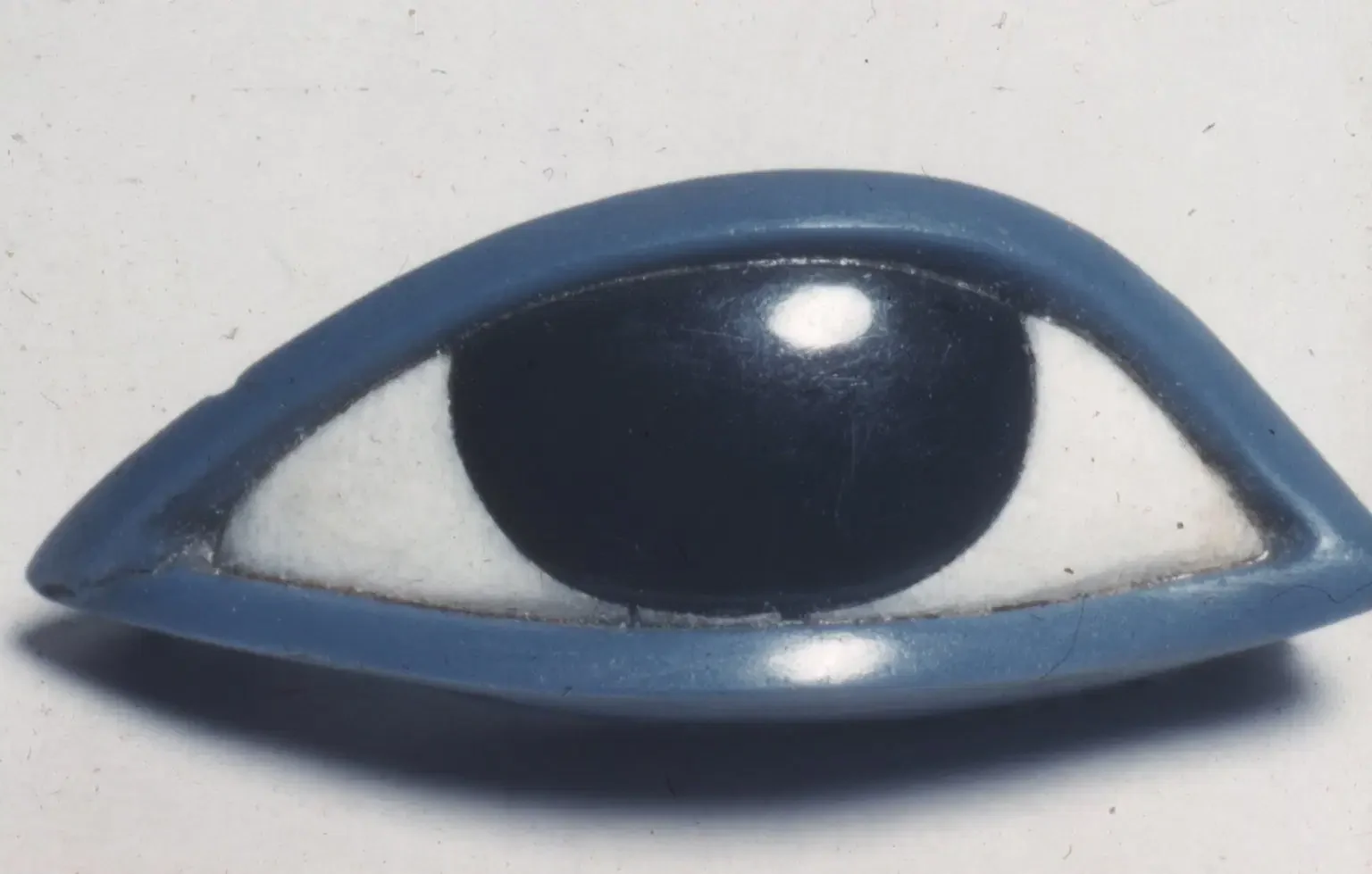
Fig. 22 — Obsidian, crystalline limestone, AND glass Right Eye from an Anthropoid Coffin, CA. 1580 - 30 B.C.
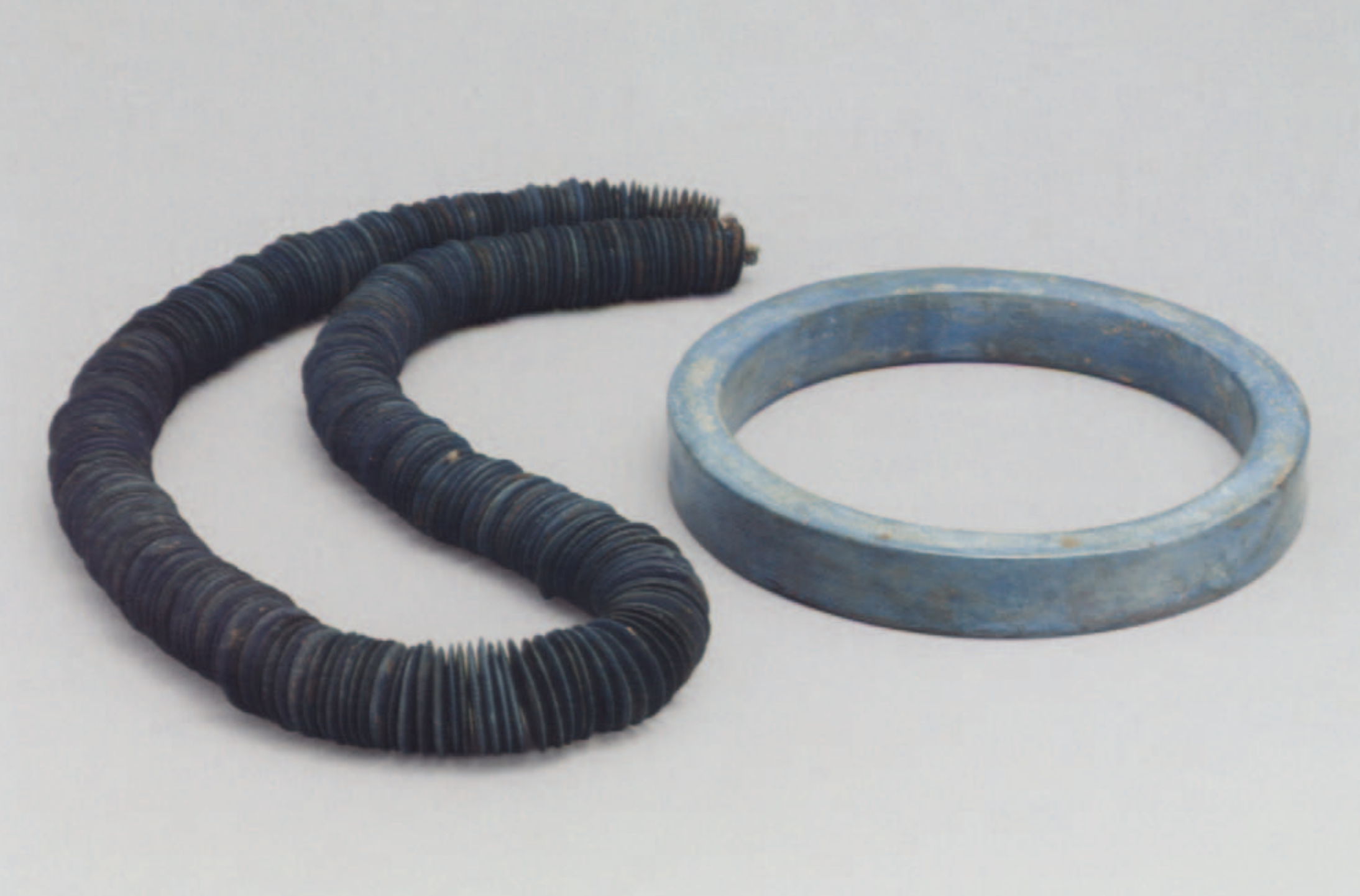
Fig. 21 — Strand of Lentoid Beads, Early 18th Dynasty, reign of Thutmose III, CA. 1479-1425 B.C.

Fig. 23 — The Nile, "Egypte" by Leonard Cottrell, c. 1977.
The Significance of Blue
For a long time, humans did not have a word for the color blue. Many ancient cultures lumped what we now call blue with green or “dark.” In his epics, Homer describes the ocean as a “wine-looking sea” or “wine-dark sea.” Blue as a concept, both linguistically and symbolically, came later than red, black, white, and yellow.
The Egyptians were the first known culture to create a synthetic blue pigment around 2,200 BCE, called irtyu. It appears in tomb paintings, sculptures, and faience. In their cosmology, it represented the heavens, the Nile, and the divine, linking the earthly and the eternal. Because of this pigment and its symbolism, Egypt is often credited as the first civilization to truly “see” blue.
BLUE (irtyu or khesbedj)
Dark blue represented the all-embracing and protective night sky. It was the color of the heavens, the primeval flood, the yearly inundation of the Nile (FIG. 23), and the supernatural realm. Blue signified divine order, insight, fertility, and celestial protection. It was associated with both the mystery of the cosmos and the clarity of truth.
STONES
Dark blue stones like lapis lazuli, sapphire, and azurite carried cosmic, mysterious, and regal energy. They were thought to connect the wearer to the Divine and open channels of spiritual communication.
USES
Lapis lazuli was used in jewelry, inlays, amulets, beads, cylinder seals, and small ritual vessels. It was also believed to cure eye diseases. The stone would be washed with cold water before and after use, and sometimes gently heated over the eye to remove impurities.
During her reign, Cleopatra quarantined much of the available Afghan supply of lapis, believing it held the power of eternal life and eternal command. She inlaid her palace walls with the stone and ground it into powder to line her eyes, using it to express her truth, authority, and protection.
GODS & GODDESSES
Ra — In the myth of the Destruction of Mankind, Ra is described as having hair of lapis lazuli, linking him to the night sky and divine sovereignty.
Amun — God of air, creation, and hidden power. He was often depicted with skin the color of lapis, symbolizing his cosmic nature.
Horus — In Chapter CLXXV of the Book of the Dead, a figure of Horus made of lapis lazuli was placed at the neck of the deceased to invoke divine protection and support in the afterlife.
Ma’at — Goddess of truth and balance. Her priests wore lapis stones engraved with her image. Some Egyptians believed lapis opened a channel for divine communication, helping one align with truth and spiritual order.
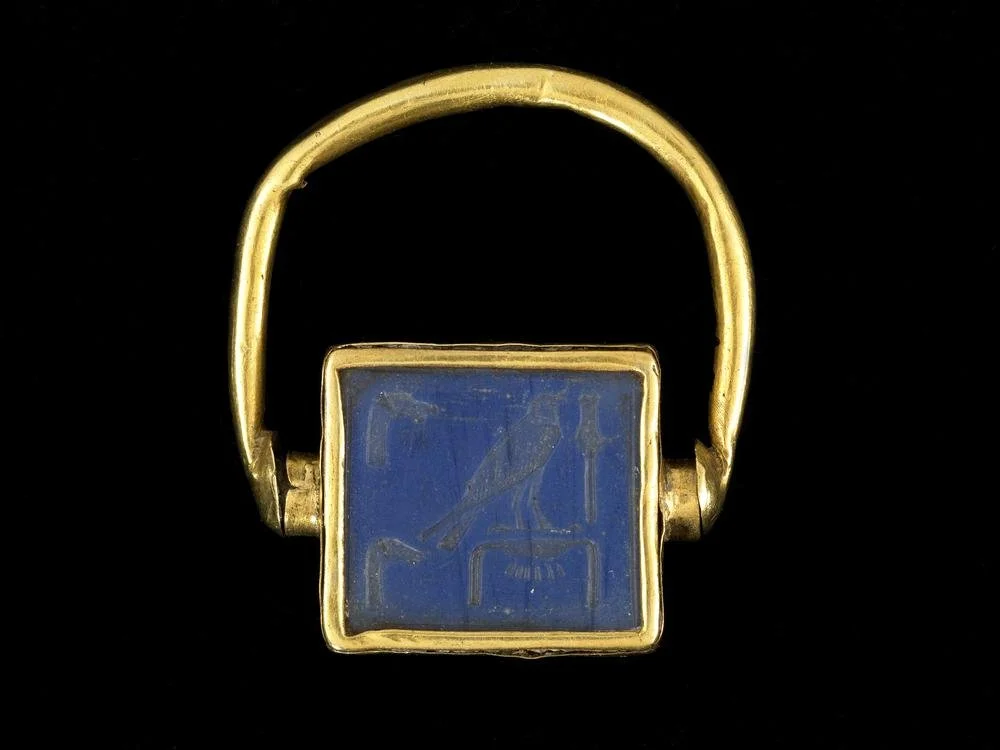
Fig. 24 — Finger ring showing Pharaoh Thutmose III as a sphinx, 18th Dynasty, reign of Thutmose III, CA. 1479–1425 B.C.

Fig. 25 — Starry Sky, Deir el-Bahari, Temple of Hatshepsut, Luxor, CA. 1479–1458 B.C.
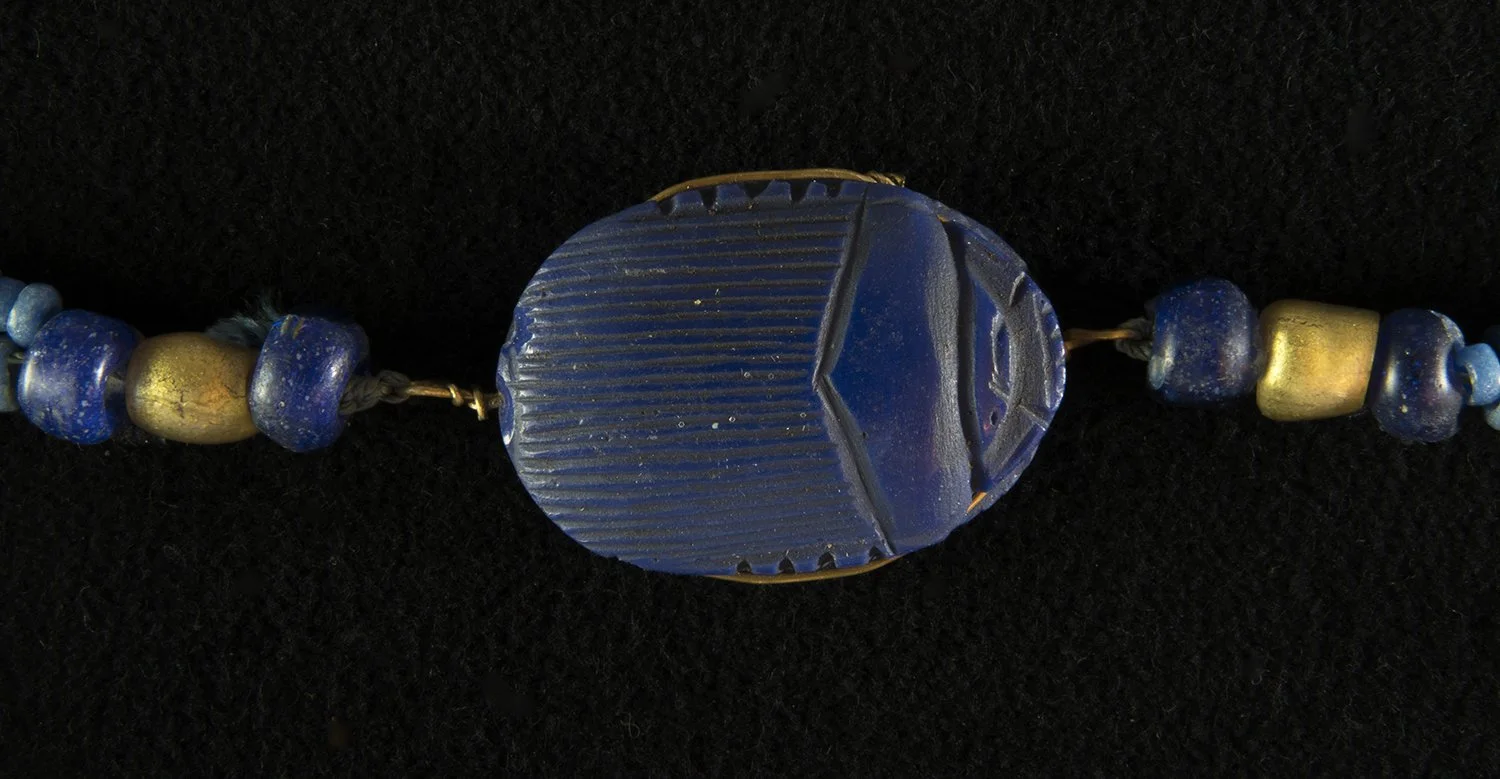
Fig. 26 — lapis lazuli scarab amulet
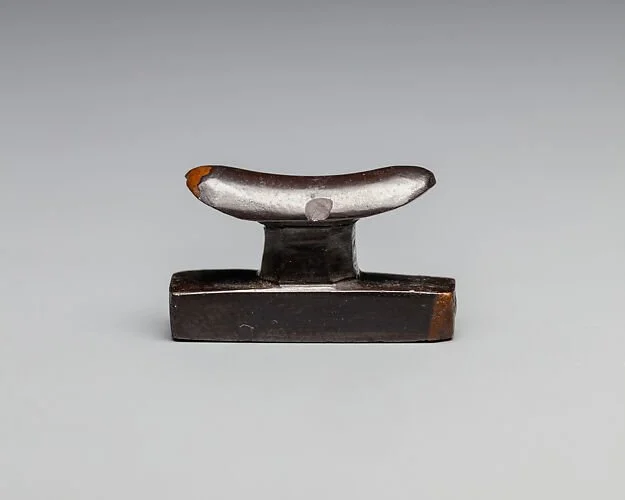
Fig. 27 — Hematite Headrest amulet, Late Period, CA. 664–332 B.C.

Fig. 28 — "Kemet," meaning "the Black Land," referred to the life-giving black silt deposited by the Nile's annual flooding. This fertile soil was the foundation of Egyptian agriculture and a symbol of divine renewal.

Fig. 29 — OBSIDIAN TWO-FINGER AMULET, LATE PERIOD, CA. 664-332 B.C.

FIG. 30 — HEMATITE WEIGHT IN THE FORM OF A HIPPOPOTAMUS HEAD, NEW KINGDOM, 18TH DYNASTY, CA. 1550-1069 B.C.
Black (kem)
Black symbolized both death and the night, but also fertility, new life, and new beginnings. Black and green were often used interchangeably in Egyptian art and ritual, reflecting the belief that death was simply another form of rebirth.
STONES
Black stones like obsidian, hematite, and onyx were associated with protection, transition, and the regenerative power of the afterlife.
USES
Imported obsidian from the Mediterranean played an important role in Egyptian funerary rites. Because of its sharpness and precision, obsidian was used to craft blades essential to the mummification process.
Specific stones were also paired with particular amulets. Hematite was commonly used for the “headrest” amulet (FIG. 27), which was placed under the head of the deceased to support and protect them in the afterlife. Obsidian was used for the “two fingers” amulet (FIG. 29), believed to assist the soul’s emergence from the body and offer protection during the transition between worlds.
Gods
Osiris — Sometimes referred to as “The Black One,” Osiris embodied the fertile earth and the regenerative power of death. His association with black symbolized the soul’s return to the soil and its rebirth into new life.
Anubis — Jackal-headed god of embalming and the dead. Depicted with black skin, Anubis represented protection during the passage to the afterlife and mastery over the unseen.
WHITE (Hedj)
White indicated purity, sacredness, cleanliness, and spiritual authority. It was associated with the Divine, the priesthood, and ritual cleanliness. In both life and death, white represented the presence of sacred order and the possibility of renewal through alignment with the gods.
STONES
Limestone, alabaster, gypsum, white calcite, clear quartz
USES
White stones were used in temple construction, altars, canopic jars, ritual vessels, and burial tombs. Limestone was the most common building stone in Egypt and was used to create the shining outer casing of pyramids. Alabaster was carved into sacred containers for perfumes, unguents, and offerings. Because of its luminous quality, white stone was seen as a conduit for purity and divine light.
White was also the color of the clothing worn by priests, reinforcing their role as purified intermediaries between the human and divine realms. In funerary contexts, white amulets and wrappings were used to prepare the body and spirit for the afterlife.
GODS
Thoth — God of wisdom and sacred knowledge. His role in maintaining cosmic balance aligned with white as a symbol of purity and divine order.
Osiris — In funerary rituals, Osiris was often honored through white linen wrappings and offerings placed in alabaster vessels.
Khonsu — Lunar god associated with light, time, and healing. His presence was sometimes linked to white or silver tones reflecting the moon’s glow.
Priestly caste — While not a specific deity, the purity of white garments worn by priests reflected divine alignment and access to sacred power.
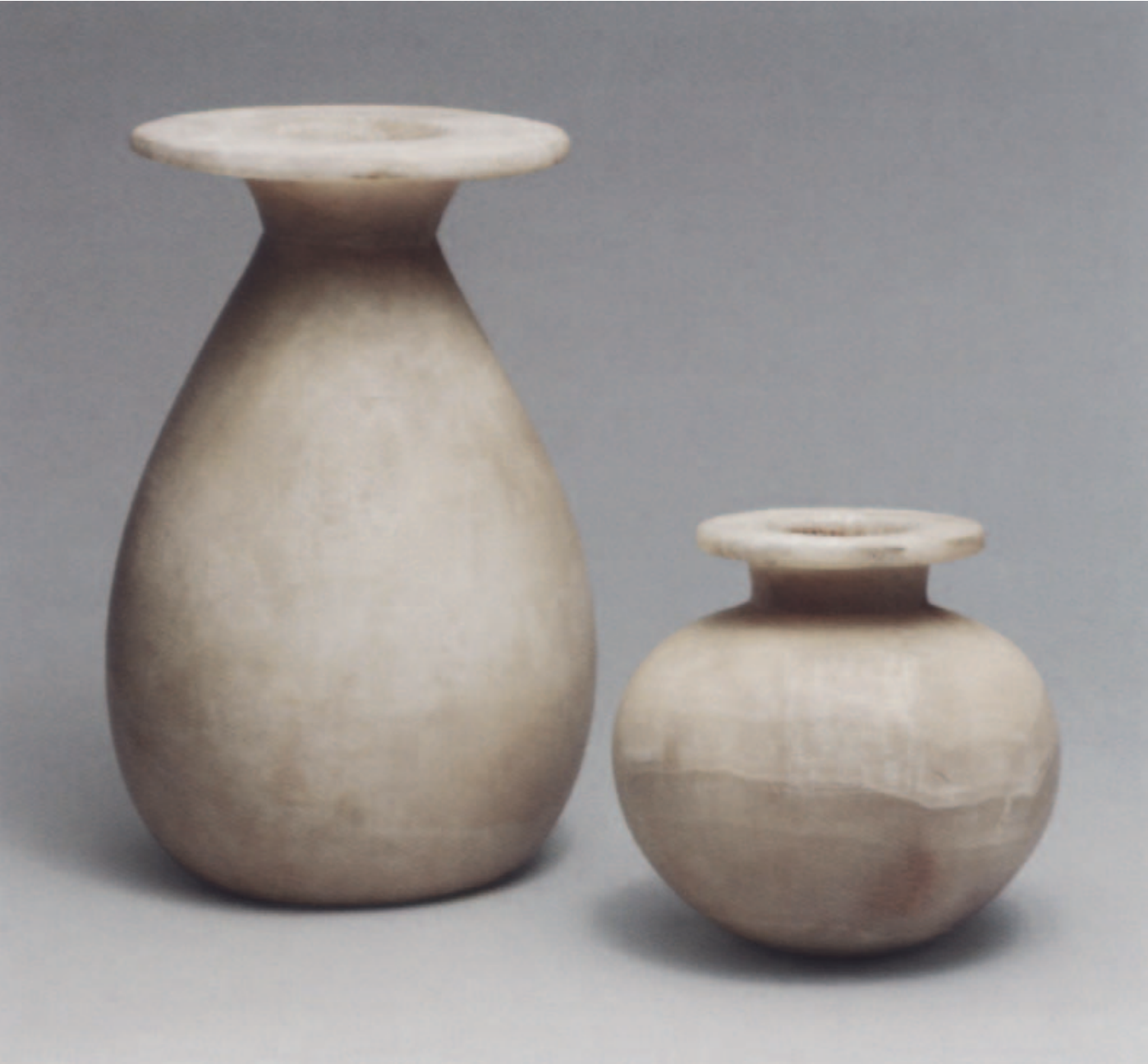
Fig. 31 — Travertine Jars, Early 18th Dynasty, reign of Thutmose II-joint reign of Hatshepsut and Thutmose III, Ca. 1492-1473 B.C.
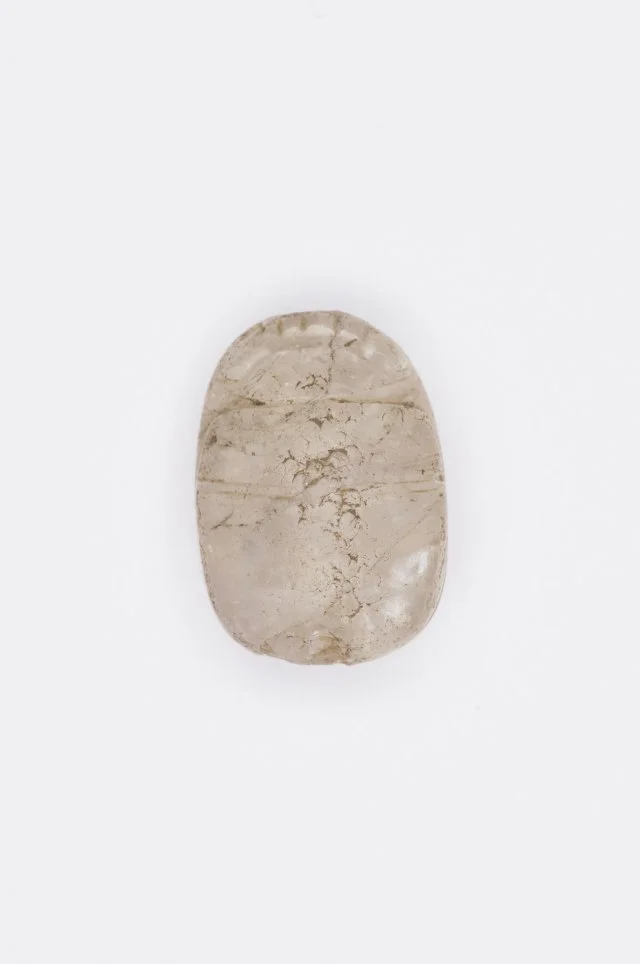
Fig. 32 — quartz Scarab, New Kingdom, CA. 1540-1075 B.C.
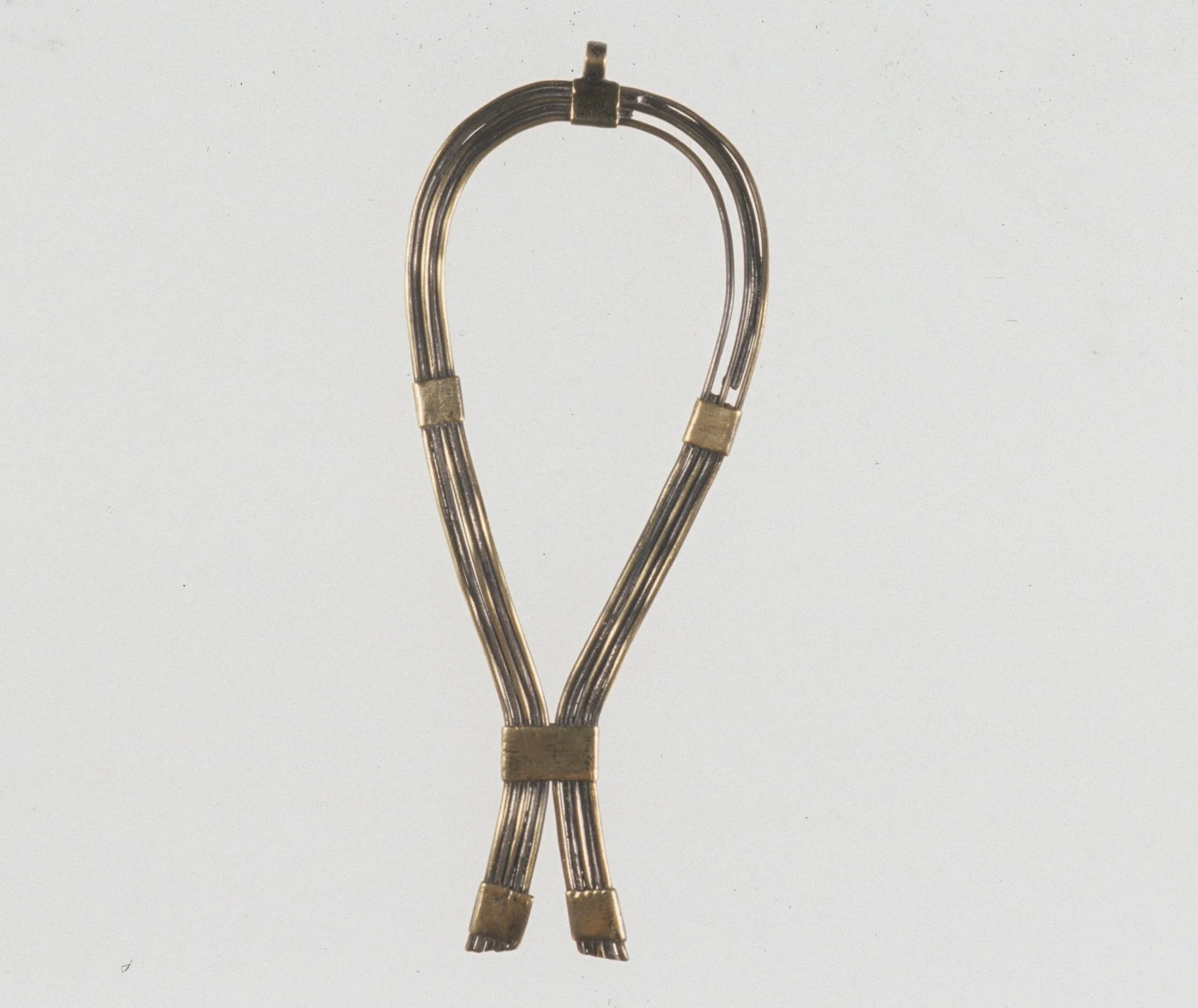
Fig. 33 — silver Sa Amulet, Middle Kingdom, ca. 2051–1981 B.C.